Loading
  • Link to Mail

YOUR PROJECT PARTNER IN POWDER COATING

PH: (07) 3281 5766

Ipswich Powder Coating | Powder Coating Near Me | Ipswich
  • Home
  • About Us
  • Commercial
  • Industrial
  • Trade
  • Projects
  • Resources
  • Colours
  • Blog
  • Contact
  • Menu Menu
News, Personal

DOT Bridge Warranty Claim Teardown: Root Cause, Documentation, and Spec Fixes

Bridge

Why One Bridge Warranty Claim Changed the Spec

Infrastructure work in Queensland is unforgiving. Harsh UV, coastal salt, tight closures and a lot of public eyes mean a coating system either performs or it becomes a problem very quickly. When a powder-coated bridge starts to fail early, everyone feels it, from the designer to the installer and the asset owner.

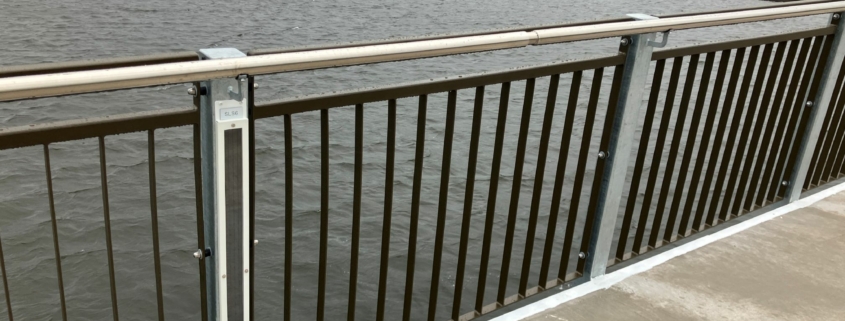
A Department of Transport bridge warranty claim is a clear example of this. It showed how quickly things go wrong when specification, substrate preparation and coating documentation are not lined up. The metalwork looked fine on handover, but the system under it was not matched to the substrate or the environment.

We work with builders, architects, engineers and asset owners on infrastructure powder coating in Queensland, so we see both sides: the design intent and the day-to-day reality in the booth and on-site. This article walks through that bridge failure, what the root cause analysis showed and how spec language can change to avoid repeat problems.

Inside the DOT Bridge Failure and Root Causes

The bridge involved mixed steel elements in a near-coastal setting, with complex welds, brackets and tight install windows. On paper, it sounded straightforward: galvanised and fabricated steel, powder coated for long life. In practice, early signs of trouble showed up fast.

The failure symptoms included things like:

  • Early chalking and colour shift on sun-exposed faces  
  • Underfilm corrosion around welds and cut edges  
  • Coating breakdown around bolted connections and sharp details  
  • Local coating damage that spread instead of staying contained  

Those symptoms pointed past simple handling damage. They suggested a system not matched to the exposure class, unclear substrate prep and gaps in quality checks.

When the warranty claim came in, the documentation trail was tested hard. The DOT team asked for:

  • Original specifications and any approved departures  
  • Coating manufacturer data sheets and system recommendations  
  • Batch records, cure logs and film thickness checks  
  • Pre-treatment parameters, blast profiles and galvanising records  

Missing or unclear documents did not help anyone. It became clear that different substrates on the job had been treated almost the same. Extruded aluminium rules were being applied to galvanised steel, and fabricated mild steel edges had not been dressed to suit a long-life system.

Root cause analysis showed several linked issues:

  • Architectural-grade powders used where an infrastructure duty system was needed  
  • Wrong or missing primers on hot-dip galvanised steel  
  • Inadequate edge and weld preparation on fabricated mild steel  
  • Environmental class not fully considered at design and tender stage  

All of this could have been picked up before shop drawings were locked in, with substrate-specific testing, adhesion checks and a clear exposure class call, such as inland, near coastal or severe marine.

What Warranty Grade Powder Coating Really Means

Warranty grade is not just a nicer way of saying “good finish”. In a commercial or infrastructure setting it means a complete, documented system, not a single product.

A true warranty-grade system will usually include:

  • Defined and compliant pre-treatment for each substrate  
  • Matched primer and topcoat, tested as a system  
  • Clear exposure class limits and service life assumptions  
  • Manufacturer-backed paperwork for the actual project  

Standard powder coating might look fine on day one, but the difference shows up over time. Warranty-grade systems typically have:

  • Tighter film build ranges and checks at multiple stages  
  • Specific surface prep standards for aluminium, galvanised and mild steel  
  • Test data for salt spray, humidity and accelerated UV exposure  
  • Mandatory QA steps and traceable batch records  

Most colour and film integrity warranties focus on:

  • Colour retention within set tolerances  
  • Gloss retention within a band over a stated period  
  • Film adhesion staying sound without peeling or flaking  

They usually do not cover mechanical damage, design faults like water traps, or contamination from things like site sealants or cleaners that were not approved. That is why it is important to match detail design, substrate choice and coating system right at the start.

Aligning Spec, Substrate and Exposure on Real Projects

On a single project you might have aluminium facades, galvanised bridge posts and fabricated steel balustrades. They sit side by side, but they do not want the same powder coating system.

For example:

  • Aluminium curtain wall might suit an architectural system matched to the frame supplier  
  • Galvanised posts near a tidal zone might need a duplex system with the right primer  
  • Fabricated mild steel barriers might need extra edge rounding and multi-coat build  

If these choices are left until after fabrication, you run into rework, programme blowouts and weak warranty positions. The parts may already be welded, galvanised or drilled in a way that makes correct coating very hard.

On schedule-driven work, such as tunnels or bridges with fixed closures, program planning matters as much as product choice. Early engagement with the powder coater lets the team confirm:

  • Off-site curing capacity for peak periods  
  • Packaging and protection so parts arrive at site ready to install  
  • Realistic cure and cool-down times in warm weather  

Legacy Way Tunnel is a good example of this sort of pressure. Rework was not an option. Production flow, QA timing and delivery logistics all had to line up so coated components could go straight from truck to install.

Bridge work is similar. On Birtinya Bridge, galvanised posts, frames and balustrades needed a system that handled cut edges and transport handling without early corrosion starting. O’Keefe Street Bridge also shows how exposure class, complex geometry and public access details have to shape the coating system. Good system selection upfront helped avoid the kind of failures seen in the DOT claim.

Architectural projects need the same discipline, even if access is easier later. At Melbourne Grammar, powder coating was treated as a specification-led, warranty-grade decision from the start. Architect intent, substrate choice and proven system selection were lined up before documentation closed, so the warranty pathway was clear, and colour and film integrity were set up for long-term performance.

Practical Spec Language, FAQs and Better Outcomes

When a warranty claim hits, the spec and the documentation trail are the first things people read. The DOT bridge case showed how missing details cost time and weaken everyone’s position. Clear, practical spec language can prevent that.

Good spec language for Queensland infrastructure and commercial work will often:

  • Call up surface cleanliness grades and galvanising standards  
  • State pre-treatment type for each substrate, not just a generic note  
  • Nominate minimum and maximum film builds and how they will be checked  
  • Refer to environmental class and design life expectations  

It should also name the coating manufacturer, require approved applicator status where needed and state that warranty criteria must be met for each substrate and location, such as coastal bridge handrails versus inland facade panels.

Architects and engineers can ask a few key questions before documentation is locked:

  • What is the galvanising standard and are welds dressed to suit coating?  
  • Are vent and drain holes in the right place for full coating coverage?  
  • Can components be fully coated before assembly, or are there hidden areas?  
  • Is the intended exposure class confirmed and shared across the team?  

This is where working with a specialist applicator in Ipswich who understands infrastructure powder coating in Queensland helps. Early design reviews across aluminium, galvanised steel and fabricated steel support defensible specs, realistic programmes and clear warranty pathways.

Common questions we hear include:

What should architects include in a powder coating specification?  

Architects should clearly state substrates, exposure class, standards, surface prep grades, pre-treatment type, approved systems and applicators, target film builds, QA reporting and the expected warranty terms.

Which powder coating systems suit aluminium and steel on commercial projects?  

Aluminium often pairs with architectural systems designed for that substrate, while galvanised and mild steel usually need duplex or multi-layer systems that handle cut edges, welds and higher corrosion risk.

When should warranty requirements be confirmed during design?  

Warranty expectations should be confirmed at early design development, before tender, so fabricators and coaters can align detailing, pre-treatment and production planning.

What is the difference between standard and warranty grade powder coating?  

Standard coating is mainly about appearance at handover. Warranty-grade systems are tested, documented and tied to specific substrates, exposure classes and approved applicators, with clear performance promises.

Do aluminium and steel need different warranty systems?  

Yes, because they respond differently to the environment and need different pre-treatment chemistries and primers. Warranty systems are built around those differences.

What does colour and film integrity warranty actually cover?  

These warranties usually cover colour and gloss retention limits, adhesion and resistance to chalking over a set period. They do not generally cover physical damage, design issues or contamination from unapproved products.

What makes infrastructure powder coating different from general commercial work?  

Infrastructure often has longer design life, less access for maintenance, heavier wear and stricter client rules, especially for bridges, tunnels and public assets.

Why does system selection matter more on public assets and bridge components?  

Because failure can mean safety concerns, traffic disruption and reputational damage, not just a repaint. Exposure to UV, salt and traffic pollution is also higher.

How can powder coating delays affect project handover?  

Delays in coating can push back installation, clash with road closures or possession times and trigger liquidated damages or extra costs for the principal contractor.

Turning the lessons from one DOT bridge into better specs and safer handover is very achievable. When warranty-grade powder coating is treated as a structured, substrate-specific system choice instead of a marketing label, architects, engineers and asset owners gain stronger control of risk. Reviewing Ipswich Powder Coating’s commercial capability and project work, including Melbourne Grammar, Birtinya Bridge, O’Keefe Street Bridge and Legacy Way Tunnel, can help shape that approach on the next bridge, tunnel or architectural metalwork package across Queensland.

Protect Your Assets With Long-Lasting Powder Coating Solutions

At Ipswich Powder Coating, we help infrastructure owners and contractors extend the life of their assets with reliable infrastructure powder coating in Queensland. Our team works with you to understand your project, site conditions and timelines so we can recommend the most suitable coatings and finishes. If you are ready to discuss specifications, pricing or lead times, simply contact us and we will get back to you promptly.
May 27, 2026/by Ipswich Powder Coating
https://www.ipswichpowdercoating.com.au/wp-content/uploads/2026/02/Britinya-Bridge-Photo-2.jpg 1512 2016 Ipswich Powder Coating https://www.ipswichpowdercoating.com.au/wp-content/uploads/2019/03/Ipswich-Powder-Coating-white-web.png Ipswich Powder Coating2026-05-27 17:00:482026-05-14 00:32:52DOT Bridge Warranty Claim Teardown: Root Cause, Documentation, and Spec Fixes
News, Personal

Mixed-Substrate Powder Coating: Verify Substrates and Avoid Warranty Gaps

Locking in Warranty Powder Coating Before It’s Too Late

Powder coating decisions lock in long before anyone walks a defects list on practical completion. For architects and specifiers in Queensland, the real test comes years later, under harsh UV, humid air, and coastal influence. If the coating system is not matched to the substrate, exposure, and maintenance, colour fade and corrosion will show up right when the client expects everything to still look new.

Mixed substrates make this even harder. One elevation might carry aluminium framing, galvanised brackets and mild steel balustrades, all in the same colour. A simple note like “powder coat to colour X” might look tidy in the documents, but it usually creates gaps in warranty coverage and future arguments about who is responsible when something fails.

As an Interpon approved applicator, we work with project teams to line up warranty powder coating systems in Queensland with real program and budget pressure. That means helping you understand where substrates change, how systems need to shift with them, and what must be decided before fabrication is locked in.

What Warranty Grade Really Means on Commercial Projects

“Warranty grade” is often misunderstood as a standard finish with better marketing or a nicer colour card. In a commercial setting, it is something very different. A true warranty-grade system is a tested, documented coating build from bare metal to topcoat, tied to specific performance criteria from the powder manufacturer and backed by written warranty terms.

In practice, a warranty-grade system is defined by how it is engineered and controlled, not by how it is described in a brochure. Compared with standard decorative systems, a warranty-grade build has:

  • Substrate preparation suited to aluminium, steel or galvanised, verified against manufacturer requirements  
  • Pre-treatment that matches the powder chemistry and exposure category  
  • Compatible primer choice, or a confirmed primer-free system where the data supports it  
  • Required film build, checked and recorded across representative items  
  • Curing conditions aligned with the powder supplier’s technical data sheets  
  • A documented maintenance regime that the warranty is conditional upon

Standard systems are primarily decorative and may follow generic preparation and approximate film builds, with no obligation to document traceability or ongoing performance. Warranty-grade systems are selected and applied to meet defined durability, corrosion and colour retention targets and to carry a traceable pathway from specification through to the issued warranty.

On a commercial façade, the required system can change from zone to zone. A coastal external soffit will need a different system to an internal stair. Aluminium curtain wall members, hot-dip galvanised sunshades and mild steel balustrades will rarely share the same build, even when the colour is identical.

The right time to pick those systems is before shop drawings and fabrication are signed off. Once fabrication is complete, opportunities to, for example, galvanise components, add primers or redesign junctions are often gone, and the project is forced into compromises that narrow warranty options.

For example, on a mixed façade with aluminium framing, galvanised sunshades and steel balustrades, early coordination allowed:

  • Three different Interpon warranty systems, one for each substrate type  
  • One agreed colour and gloss level across all elements  
  • Documented warranty terms that lined up, instead of three different expiry dates  
  • Confirmation that fixing details and junctions did not introduce uncoated edges or dissimilar metal issues that would void warranties

From the street, it reads as one consistent finish. On paper, each substrate is covered by its own system, with its own preparation and film build, and the warranty pathway is clear if there is a claim.

Substrate ID, Specification Risk, and Managing Transitions on Site

Most coating trouble starts because the substrate was not clearly confirmed early enough. Before you lock in documentation, you want to be sure about:

  • Exact substrate for every element in the schedule (aluminium, mild steel, pre-galvanised, hot-dip galvanised, stainless)  
  • Exposure category, such as coastal or urban, and whether salt spray or industrial fallout is likely  
  • Location, internal or external, soffit or splash zone  
  • Realistic access for cleaning and maintenance over time  
  • Whether elements are part of commercial façades or infrastructure/public assets with different risk profiles

From a specification risk perspective, unresolved substrate information at documentation lock-in creates three main issues:

  • You may nominate an architectural powder series that cannot achieve the desired warranty term on certain substrates or exposures.  
  • Fabricators may proceed with details (e.g. stitch-welded galvanised components) that prevent proper surface preparation later.  
  • The project team may only discover warranty gaps when the applicator raises RFIs late in the programme, pushing coating into the critical path.

A simple way to keep control is to map the substrates in your drawings and schedules. Tag aluminium, pre-galvanised sheet, hot-dip galvanised structural steel and mild steel separately. Call out likely late additions, like remedial steelwork, stair trims and brackets, and identify which of these require warranty-grade systems versus standard decorative finishes.

When this is missed, the result is often a standard system applied where a warranty system was needed. For example, galvanised stair stringers in a coastal project might get a decorative-only coat if they were not flagged as external galvanised in the documents. On later stages of a project like that, we have helped teams correct the schedule, upgrade to a warranty system and record the new standard so it does not repeat, but this typically involves rework, programme impact and negotiation over cost.

On site, transitions are where problems show. At junctions between galvanised, aluminium and steel, you can keep visual continuity and still meet system needs if the transition is properly checked and documented. Field verification should include:

  • Confirming actual substrate, including any shop changes and substitutions  
  • Checking zinc coatings and any weld repairs to galvanised steel  
  • Reviewing how joints between dissimilar metals are built and sealed  
  • Recording transitions in shop drawings, RFIs and submittals so that the correct systems are applied at interfaces

On a mixed podium and canopy project with galvanised posts, aluminium fascias and steel brackets, this approach avoided dissimilar metal corrosion at joints, chipping where the wrong system met another, and future arguments over which pieces were intended to be warranty grade. By confirming substrates and transitions during design development, the architect maintained control of the specification risk instead of relying on late-stage site decisions.

Specification-led, Warranty-Grade Project Pathways

For a clear path to warranty on commercial work, the specification should spell out what is expected, not leave it to guesswork or value engineering. A good powder coating specification usually includes:

  • Nominated applicator type, such as Interpon approved, with demonstrated experience on mixed substrates  
  • Pre-treatment method for each substrate group, aligned with exposure categories  
  • Powder series and colour range, including durability class and gloss levels  
  • Required film build and key test standards relevant to the project class  
  • Minimum warranty terms for colour and film integrity, broken down by substrate and location  
  • Documentation requirements for batch traceability, inspection records and warranty issue

From there, the submittal pathway can be kept simple but clear:

  • System data sheets for each substrate and exposure type, matched back to specification clauses  
  • Sample plates by substrate, colour and gloss for acceptance  
  • Written warranty proposal based on agreed maintenance regime and exposure classification  
  • Batch traceability records for warranty powder coating systems in Queensland, including oven logs where required

On one specification-led commercial job in a marine-influenced corridor, the design team locked in systems pre-tender. Each substrate had a defined Interpon system; the applicator approval was named; and the warranty expectations were written into the schedules with minimum terms and limitations. This:

  • Allowed façade and steelwork fabricators to price the correct systems up front  
  • Resulted in faster early approvals and fewer substitution attempts  
  • Enabled coordination of fixing details with the applicator before shop drawings were signed off  
  • Provided clear allocation of responsibility when it came time to confirm warranties at completion

Because warranty requirements were confirmed during design development, rather than after fabrication, the project avoided late redesign, retro-priming and re-coating that would have jeopardised the programme.

Infrastructure Work: Unforgiving Environments and Programme Pressure

Infrastructure jobs are unforgiving. Bridges, barriers, handrails, gantries and boardwalks sit in tough environments, see public use and often cannot be shut down easily for recoating. Owners and asset managers expect coatings that can handle specification and schedule pressure without sacrificing durability.

Compared with standard commercial work, infrastructure coating usually needs:

  • Thicker overall film builds for impact and corrosion resistance  
  • More aggressive surface preparation and pre-treatment  
  • Higher corrosion categories and system ratings, often tied to specific standards  
  • Tighter control of film thickness across complex shapes and welds  
  • Detailed quality records, inspection reports and traceability  
  • Packaging and labelling that support direct site delivery and staged installation

On a riverside boardwalk balustrade package in a marine zone, the combination of salt exposure, public access and tight night-work windows meant that system selection and programme planning mattered as much as colour. A warranty-grade system was specified with:

  • Defined blast profile and zinc-rich priming for steel components  
  • Architectural-grade exterior powder matched to coastal exposure requirements  
  • Inspection hold points for surface preparation, primer and topcoat film build  
  • Protective packaging designed for barge and crane handling

Because the system and documentation pathway were confirmed before fabrication, the project avoided last-minute changes that would have pushed coating into the critical path.

On a separate pedestrian bridge handrail and safety barrier job linked to a major road opening, schedule and performance again carried equal weight with finish quality. The coating scope was coordinated so that:

  • Steel fabricators sequenced production in line with coating plant capacity  
  • Coating lead times, curing and inspection were built into the construction programme  
  • Direct-to-site deliveries were bundled by installation zone to reduce handling  
  • An experienced applicator familiar with engineered parts and public-facing assets managed traceability, labelling and packaging

In both cases, infrastructure clients were less concerned with decorative options and more focused on whole-of-life cost, reliability and programme certainty.

Programme pressure runs through all of this. Coating lead times, curing, inspection and packaging all have to line up with fabrication and delivery dates. As infrastructure works often ramp up around the cooler and drier months, coordination becomes even more important, and late changes to powder systems or substrates can quickly consume float and delay practical completion.

Best practice for direct site delivery usually includes:

  • Clear labels for substrate, coating system and final location  
  • Protection suited to truck transport, barge and crane handling  
  • Logical bundling so installers are not dragging pieces across hard surfaces  
  • Marked install sequences to limit double handling and damage  
  • Agreed procedures for on-site touch-ups that do not compromise the warranty

On a time-critical infrastructure upgrade, close planning between the steel fabricator, the powder coater and the installer can prevent a coating bottleneck from landing right on the critical path and delaying practical completion.

FAQ Corner for Architects Under Specification Pressure

What Should Architects Include in a Powder Coating Specification?

At minimum, define performance level and warranty term by substrate and exposure, name the powder series if known, describe pre-treatment expectations and require an approved applicator. Break out substrate-specific systems for aluminium, steel and galvanised steel, separate internal from external items, and set documentation requirements for traceability and warranty issue. Confirm these before documentation is locked in so that fabricators can plan details and processes accordingly.

Powder Coating Systems for Aluminium and Steel in Commercial Projects

Typically, aluminium framing will use a dedicated architectural system designed for that metal and its pre-treatment (for example, an Interpon architectural series rated for external façade use), while steel and galvanised steel will use their own exterior systems that may include primers or duplex arrangements. One size fits all rarely meets warranty requirements across mixed substrates, so specifiers should nominate system families by substrate and exposure, not just by colour.

When Should Warranty Requirements Be Confirmed During Design?

Set your warranty targets during design development, while façade and steelwork details are still flexible and before fabrication contracts are let. This timing allows you to align substrate choices, connection details and access arrangements with achievable warranty pathways and avoids late changes once shop drawings and fabrication are already committed.

Standard vs. Warranty-Grade Powder Coating: What’s the Difference?

Standard systems are mainly decorative. They may look acceptable at practical completion but are not engineered or documented for defined performance over time. Warranty-grade systems have tested pre-treatments, minimum film builds, defined curing and documented maintenance instructions, all tied to written performance expectations and a formal warranty. They are selected based on substrate, exposure and project class rather than marketing language alone.

Do Aluminium and Steel Need Different Warranty Systems?

Yes. Aluminium, mild steel and galvanised steel behave differently in service and need tailored systems, even when the colour is the same, to achieve aligned warranties. Aluminium may use a specific architectural series and conversion coating, while steel and galvanised steel often require different primers and film builds. Treating them as identical is a common source of specification risk and warranty gaps.

What Does Colour and Film-Integrity Warranty Actually Cover?

It usually covers colour retention, gloss retention and the integrity of the powder film, such as resistance to cracking, peeling or significant chalking, for a defined period under stated conditions. It does not typically cover mechanical damage, design issues that trap moisture, poor preparation outside the system specification, or incompatible primers and sealants. The warranty document should clearly state inclusions, exclusions and maintenance obligations.

What Makes Infrastructure Powder Coating Different From General Commercial Work?

Infrastructure often carries higher corrosion risk, more impact and abrasion, stricter owner requirements for proven systems and traceability, and very limited access for recoating. Systems are selected and documented to withstand these conditions and to fit tightly controlled programmes, whereas general commercial work may prioritise decorative appearance and shorter warranty terms.

Why System Selection Matters More on Public Assets and Bridges

Because access for recoating is difficult, safety is a concern and owners are focused on whole-of-life cost and reliability. Failure on a bridge handrail, barrier or gantry can trigger lane closures, traffic management and night works. Selecting the correct system for substrate and exposure, and confirming it prior to fabrication, reduces the risk of premature failure and unplanned shutdowns.

How Can Powder Coating Delays Affect Project Handover?

Late system changes, rework due to wrong substrates, finishes rejected at inspection or incomplete documentation for warranties can all push coating into the critical path. This can delay installation, extend traffic or access closures on infrastructure works, add site damage repairs and create a long defects list at practical completion. Aligning system selection, warranty requirements and coating capacity early in the design and procurement phases reduces this risk.

Making Mixed Substrate Coatings Work on Your Next Project

To keep control of mixed substrate projects, confirm every substrate early, align coating systems with exposure and project class, and lock in warranty expectations before the shop drawings go out. This avoids redesign, onsite compromise and gaps in coverage.

Across Queensland, commercial and infrastructure projects benefit from working with an Interpon approved applicator that understands warranty systems, specification risk and complex, engineered components. Engaging that expertise during design development allows you to review details, confirm systems and build a clear, auditable path from specification through field verification to final warranty, even under programme pressure.

Get Started With Your Project Today

If you are looking for durable, compliant finishes that stand up to Queensland conditions, our team at Ipswich Powder Coating is ready to help. Explore our warranty powder coating systems in Queensland and see how we can support your next commercial or industrial project. We will work with your specifications, timelines and budget to deliver a consistent, high-quality result. Have a question or need a quote fast? Simply contact us and we will get back to you promptly.
May 20, 2026/by Ipswich Powder Coating
https://www.ipswichpowdercoating.com.au/wp-content/uploads/2022/01/slide-2.jpg 668 1900 Ipswich Powder Coating https://www.ipswichpowdercoating.com.au/wp-content/uploads/2019/03/Ipswich-Powder-Coating-white-web.png Ipswich Powder Coating2026-05-20 17:00:192026-05-11 01:21:23Mixed-Substrate Powder Coating: Verify Substrates and Avoid Warranty Gaps
News, Personal

Bridge Powder Coating Spec Checklist for DOT Owners: Prep, QA, Warranty

Powder Coating Spec

Locking in Long-Term Performance in Bridge Coatings

Bridge powder coating in Queensland is a durability decision, not just a colour choice at handover. When you are working on public bridges and tunnels, the coating has to perform for years in full sun, salt air, traffic grime and constant public use. If the system fails early, it is hard to access, hard to repair and very public.

Infrastructure jobs are unforgiving. Components are large, exposure is high and there is little tolerance for rework once the bridge is open. That is why architects, bridge engineers and specifiers need a clear checklist before documentation is locked in, covering corrosion class, substrates, mockups, QA and warranty handover.

Getting Corrosion Class and Exposure Right First Time

The starting point is always exposure. On Queensland bridges, the same asset can see very different conditions: topside in full UV, underside in a humid microclimate, approach structures in traffic pollution and marine influence on coastal crossings.

When you map the project to a corrosion class, think about:

  • Distance from the coast and strength of sea spray  
  • Industrial pollution or traffic soot, especially on busy arterials  
  • Humidity and shade under decks, in tunnels and enclosed walkways  
  • Water pooling points, joints and complex brackets

The chosen corrosion class then drives the powder coating system for each substrate. For bridge powder coating in Queensland, that usually means separate system thinking for:

  • Aluminium balustrades, barriers and cladding  
  • Hot-dip galvanised steel posts, frames and brackets  
  • Fabricated carbon steel where galvanizing is not used

Higher corrosion classes usually call for:

  • Different pretreatments for aluminium and steel  
  • Higher total film builds and sometimes primers under the powder  
  • Stricter surface preparation standards

These decisions must be made before fabrication is final. Weld design, venting for galvanizing, drainage holes and edge detailing all affect how a coating system drains, cures and adheres. They can also affect warranty eligibility, so late design changes can put a warranty at risk.

Substrate-Specific Systems and What “Warranty Grade” Really Means

Aluminium, hot dip galvanised steel and fabricated steel all behave differently. A one-size-fits-all powder spec will not give reliable results.

For aluminium bridge components, warranty grade systems usually expect:

  • Approved chemical pretreatment for adhesion and corrosion resistance  
  • Correct alloy and fabrication practice to avoid contamination  
  • A compatible powder system matched to the exposure class

For hot-dip galvanised steel posts, frames and balustrades, like on projects such as Birtinya Bridge, the focus is on:

  • Galvanizing quality, thickness and surface finish  
  • Correct aging or sweep blasting before coating  
  • Powder systems designed to bond to zinc surfaces

For fabricated carbon steel that is not galvanized, typical expectations are:

  • Blast cleaning to a defined standard  
  • Use of approved primers under the powder coating  
  • Careful control of edges, welds and internal corners

Warranty grade powder coating in a commercial or infrastructure setting is not just a nicer version of a standard finish. It means:

  • A tested system for a stated exposure and design life  
  • Defined surface preparation and film build  
  • Controlled application by an approved applicator  
  • Traceable records and QA, not just a visual check

Projects like Melbourne Grammar show how this works when it is specification-led. Early alignment on substrate, system, and exposure created a long-term, defensible finish, rather than a “just make it look good” approach late in the program.

Designing for Edge Retention, Surface Prep, Mockups, and QA

Sharp edges, weld spatter and tight geometry are where powder coatings fail first on bridge work. Posts, balustrades and brackets often have:

  • Knife edges that pull the film thin  
  • Weld areas with contamination or spatter  
  • Areas that are hard to blast and coat evenly

Good detailing helps. Break sharp corners, design for drainage, avoid hidden pockets and allow room for proper blasting and coating guns to access the surface.

Surface preparation expectations for bridge powder coating in Queensland usually include:

  • Defined blast standards for steel  
  • Clear galvanizing specifications and acceptance criteria  
  • Sweep blasting of galvanised steel where required  
  • Approved aluminium pretreatment steps

These often tie back to powder supplier warranty rules and to the status of the applicator, for example being Interpon-approved.

For complex colours, textures or gloss levels, project-specific mockups and sample panels are smart. They help:

  • Confirm colour under real site light  
  • Show texture and gloss once cured on the right substrate  
  • Give public owners something concrete to sign off  
  • Set realistic expectations for ageing, not just day-one appearance

QA and inspection hold points should be built into the program. Typical stages include:

  • Substrate and fabrication inspection before surface prep  
  • Verification of blasting or pretreatment  
  • Dry film thickness and adhesion checks  
  • Cure confirmation and final visual inspection  
  • Full QA/QC reports for Department of Transport or public owner records

Infrastructure work also has strict program pressure. Coating delays can push out:

  • Erection of main spans and approach structures  
  • Traffic switches and openings  
  • Overall handover dates and liquidated damages risk

Batch sizes, turnaround on critical path components and sequencing of large, complex parts all matter. Packaging and labelling for direct site delivery are just as important, especially for large bridge sections. An applicator experienced in engineered parts and public-facing assets will think about:

  • Protection of coated surfaces in transport and lifting  
  • Clear labelling that matches erection drawings  
  • Palletising and racking that suits cranes and site access

Warranty Handover, Public Owner Requirements and Key FAQs

Public owners and DOT-style clients expect more than a colour name. A proper colour and film integrity warranty for aluminium and steel should spell out:

  • Term for colour and gloss, and for film integrity  
  • What is covered, such as chalking, fade and loss of adhesion  
  • Exclusions, like mechanical damage or unapproved chemicals  
  • Required cleaning and maintenance frequency

From an owner’s point of view, standard powder coating is usually decorative. Warranty-grade is different: tested systems, defined prep, traceable batches, certified applicators and documented compliance with the original corrosion class and exposure. Bridge projects like Birtinya Bridge, with galvanised steel posts, frames and balustrades, show how this level of documentation and control gives confidence at handover.

Common questions we hear from specifiers include:

  • What should architects include in a powder coating specification?  

  Corrosion class and design life, substrates, surface preparation standards, approved powder systems, minimum DFT, and inspection and documentation requirements.

  • Which powder coating systems suit aluminium and steel on commercial projects?  

  Systems need to match substrate and exposure, so aluminium, galvanised steel and fabricated steel are usually specified separately with different pretreatments and sometimes primers.

  • When should warranty requirements be confirmed during design?  

  Early in design development, before fabrication and galvanizing, to avoid redesign and loss of warranty eligibility.

  • What is the difference between standard and warranty-grade powder coating?  

  Standard is mainly about appearance, warranty-grade is an engineered system tied to proven performance, defined prep and verified applicators.

  • Do aluminium and steel need different warranty systems?  

  Yes, each substrate needs different pretreatments, primers and powders, and warranties are specific to those combinations.

  • What does a colour and film integrity warranty actually cover?  

  Usually chalking, colour change, gloss loss and film adhesion, within stated conditions for environment and maintenance.

  • What makes infrastructure powder coating different from general commercial work?  

  Higher exposure, safety-critical roles, very limited access for repainting and stricter public owner and DOT requirements.

  • Why does system selection matter more on public assets and bridge components?  

  Failure affects safety perception, appearance of the whole project and long-term maintenance spend, not just one small element.

  • How can powder coating delays affect project handover?  

  Coating is often late on the critical path. Delays can hold up installation, traffic switches and practical completion, with flow-on effects to program and cashflow.

Turn Your Bridge Coating Specification Into an Asset

When powder coating is treated as part of structural durability planning, bridges and public assets last longer, look better and are easier to defend when questioned by owners and auditors. The specification becomes a tool for performance, not just a colour chart.

At Ipswich Powder Coating, we focus on this kind of specification-led, warranty-grade work across aluminium, galvanised steel and fabricated steel, on projects like Melbourne Grammar, Birtinya Bridge and a range of bridge and tunnel assets across Queensland. Careful system selection, detailing, QA and packaging all help make sure the finish still performs long after opening day.

Protect Your Bridge With Durable, Long-Lasting Coatings

If you are planning new bridge works or refurbishing existing steel, our team at Ipswich Powder Coating can help you achieve a tough, consistent finish that stands up to Queensland’s harsh conditions. See the quality of our bridge powder coating in Queensland and how it can be applied to your project. When you are ready to discuss specifications, timeframes and budget, simply contact us so we can put together a practical solution for your structure.

May 13, 2026/by Ipswich Powder Coating
https://www.ipswichpowdercoating.com.au/wp-content/uploads/2022/06/coating-gun-.jpg 850 850 Ipswich Powder Coating https://www.ipswichpowdercoating.com.au/wp-content/uploads/2019/03/Ipswich-Powder-Coating-white-web.png Ipswich Powder Coating2026-05-13 17:00:322026-04-30 05:38:13Bridge Powder Coating Spec Checklist for DOT Owners: Prep, QA, Warranty
News, Personal

Getting Powder Coating Right on Aluminum and Steel Structures

Getting Powder Coating Right on Aluminum and Steel

Architects are judged long after practical completion. The finish that looked sharp on handover is the same finish people blame when colour fades, corrosion creeps in, or balustrades start bubbling near the coast. Powder coating for architects is about backing up the design idea with a coating system that keeps doing its job for years.

When aluminium and steel are coated with the wrong system, problems do not stay small. Colour can wash out, filiform corrosion can snake in from cut edges, and whole sections can need stripping or replacement. To avoid that, warranty grade powder coating needs to be treated as an engineered system, not just a nicer way to say “premium finish”. Those decisions should be sorted before drawings are locked and steel is on order.

Architects do not just need a finish that looks right on practical completion. Powder coating should be assessed across aluminium, galvanised steel and fabricated steel as a whole package: how each substrate is prepared, which system is selected and how the assemblies are detailed so coatings can be applied and maintained.

Aluminium Powder Coating From the Design Stage

Aluminium behaves differently on a coastal boardwalk compared with an inland school, and Queensland conditions push both UV and humidity. The pre-treatment and the powder system class, like Interpon D1000 or D2000, need to line up with:

  • Exposure zone  
  • Building use and access for cleaning  
  • Glazing and façade detailing around the aluminium  

Before issuing drawings, architects should be clear on:

  • Alloy and temper for the sections being specified  
  • Durability zone, coastal or inland, and expected pollution  
  • Required gloss level, from matt to high gloss  
  • Agreed colour range and batch control  
  • Desired warranty term and any project-specific conditions  
  • Applicator accreditation and experience with architectural work  

Colour chips only tell part of the story. When assessing an aluminium powder-coated finish, it helps to look at:

  • Film build, is the coating thick and even enough for the warranty system  
  • Edge coverage, especially on sharp corners and cut ends  
  • Type of pre-treatment used on the aluminium  
  • Compliance with AS 3715 and the relevant Interpon specification sheets  

Quick FAQ for aluminium:

What should architects include in a powder coating specification?  

Include substrate type and alloy, exposure zone, nominated powder system class, colour and gloss, required standards, approved applicators and the minimum warranty term you expect.

Which powder coating systems suit aluminium on commercial projects?  

Architectural ranges such as Interpon D1000 and D2000 classes are typically selected, with system choice tied to location, project class and the client’s expectations for colour and gloss over time.

When should warranty requirements be confirmed during design?  

Warranty discussions should happen before design development is closed, so framing choices, fixings and detailing match the coating system you are relying on.

Designing Powder Coating Systems for Steel Structures

Steel is not one material from a coating point of view. Galvanised steel and fabricated mild steel need different thinking, from pre-treatment to cure. They also behave differently from aluminium when exposed to sun, rain and traffic.

Typical exposed steel elements include:

  • Bridges and shared path structures  
  • Canopies, awnings and shade frames  
  • Balustrades, screens and handrails  
  • Façade framing and feature steelwork  

For these, barrier protection and the way zinc and powder meet is key. Edges, welds and cut surfaces must be rounded, vented and cleaned correctly or the coating can pull back and allow corrosion to start. Decisions on:

  • Venting and drainage holes  
  • Weld prep and grinding  
  • Access for blasting and coating  
  • Bolt-on vs fully welded details  

all need to be made before fabrication is complete. Trying to fix these later usually means rework, extra welding and delays, and those shortcuts can void a coating warranty.

When assessing steel powder coating in documentation and on samples, confirm:

  • The substrate type: hot dip galvanised, zinc-coated or bare fabricated steel  
  • Surface preparation standard and profile  
  • Primer and topcoat compatibility with the zinc or steel  
  • Target film build across flats, edges and welds  
  • Compliance with relevant AS/NZS standards and manufacturer system data sheets  

Quick FAQ for steel:

Which powder coating systems suit galvanised and fabricated steel?  

Systems are typically built around suitable primers and topcoats designed for steel or zinc-coated steel, with the exact build set by exposure, design life and how the steel will be handled.

Do aluminium and steel need different warranty systems?  

Yes. Aluminium, galvanised steel and fabricated mild steel behave differently and use different pre-treatments, primers and sometimes different powder classes. Warranty systems are substrate-specific, so each substrate needs its own approved build and terms.

What Warranty Grade Powder Coating Really Means

In commercial work, warranty grade powder coating means a tested system, applied by an approved applicator, backed by a written project-specific warranty. It is about process and control more than just the name on the box.

Compared with a standard architectural powder, a warranty grade system usually has:

  • Tighter rules on substrate preparation  
  • Controlled film builds, checked and recorded  
  • Matched primers and topcoats from the same system family  
  • Documented quality checks and traceable batches  

There is a common myth that warranty grade is just the same finish with a stronger sales pitch. In reality, warranties depend on choosing the right system for the substrate, matching it to the exposure zone and using an accredited applicator who follows the specification. Shortcuts on prep, fabrication or detailing can void the warranty.

Colour and film integrity warranties typically cover:

  • Gloss retention within set limits  
  • Chalking levels  
  • Colour change within agreed tolerances  
  • Coating adhesion and film integrity  

They usually do not cover mechanical damage, site contamination, poor detailing that traps water or unapproved cleaning and maintenance.

FAQ on warranties:

What is the difference between standard and warranty-grade powder coating?  

Standard finishes may not have the same tested system build, prep rules or documented checks, while warranty grade systems are designed and applied to meet agreed performance and warranty terms.

Do aluminium and steel need different warranty systems?  

Yes. Different substrates require different pre-treatments and coating builds, and manufacturers issue warranties against specific systems on clearly defined substrates, not a one-size-fits-all finish.

What does colour and film integrity warranty actually cover?  

It generally covers how well the coating keeps its colour, gloss and adhesion over a set period, as long as the system has been applied and maintained as specified.

Powder Coating Under Real Project and Infrastructure Pressure

Architects work under value management, compressed programs and late colour calls. Powder coating specifications need enough detail to survive substitutions and still protect the design. Early talks with an experienced applicator help line up colour choices, powder system class, substrate design and warranty terms so contractors have clear instructions at tender and installation teams have no surprises on site.

For infrastructure and bridge work, the pressure is even higher. Finishes must stand up to heavy handling, long spans of repeated components and public use. System selection matters more on:

  • Bridges and overpasses  
  • Roadside barriers and handrails  
  • Shade structures in car parks and parks  
  • Public furniture and other assets  

Here, the cost of traffic control, lane closures and shutdowns to fix a failed coating can be much higher than the coating itself. Delays in blasting, coating or curing big batches of parts can throw out installation dates, which then ripple through program and handover.

Packaging, labelling and handling also count. Large runs of coated parts need to arrive on site protected, grouped and marked so installers can bolt them in without hunting for matching colours or dealing with damage. Direct site delivery needs to be coordinated with the builder’s program so coated components are not sitting unprotected or becoming a bottleneck.

FAQs for project and infrastructure pressure:

What makes infrastructure powder coating different from general commercial work?  

Exposure is often higher, components are heavier and more complex, and access for maintenance is harder, so the system and process need to be planned more tightly and proven under schedule pressure.

Why does system selection matter more on public assets and bridge components?  

Because failure is harder and more expensive to fix, and public safety, appearance and traffic impacts are all at stake. The right system reduces unplanned closures and rework.

How can powder coating delays affect project handover?  

Coating that is late or needs to be redone can hold up installation, inspections and practical completion, even if other trades are ready, and can push out opening dates for public assets.

Lock in Coating Decisions Before Fabrication

The main message is simple. Coating systems for aluminium, galvanised steel and fabricated steel need to be resolved before fabrication is signed off. That timing lets design teams adjust profiles, joints, fixings and venting so the coating can perform to its warranty and the finish matches the design intent.

Across all three substrates, confirmation before documentation is locked in should cover:

  • Substrate types, alloys and steel grades  
  • Exposure zones and project class  
  • Selected powder coating systems and any primers  
  • Target warranty terms, including colour and film integrity  
  • Applicator accreditation and project experience  
  • Handling, packaging and delivery expectations for site  

At Ipswich Powder Coating, we work with architects, builders and engineers across commercial and infrastructure work in Queensland. Reviewing our commercial capability, Interpon Platinum accreditation and project experience can give you a benchmark for your own coating specifications and help you plan aluminium and steel packages with fewer surprises and a finish that lasts.

Get Started With Your Project Today

If you are planning a new build or refurbishment and need durable, specification-ready finishes, we can help you bring the details together. Explore our specialist powder coating for architects to align colour, performance and project timelines with confidence. The team at Ipswich Powder Coating is ready to review your drawings, discuss technical requirements and provide practical advice. To talk through your next project or request a quote, simply contact us.

May 6, 2026/by Ipswich Powder Coating
https://www.ipswichpowdercoating.com.au/wp-content/uploads/2022/01/slide-1.jpg 668 1900 Ipswich Powder Coating https://www.ipswichpowdercoating.com.au/wp-content/uploads/2019/03/Ipswich-Powder-Coating-white-web.png Ipswich Powder Coating2026-05-06 17:00:552026-04-30 05:50:28Getting Powder Coating Right on Aluminum and Steel Structures

Archive

  • September 2026
  • August 2026
  • July 2026
  • June 2026
  • May 2026
  • April 2026

Categories

  • News
  • Personal

Facebook

Instagram

Follow Me!

  • 88-92 Berry Street
    Yamanto QLD 4305

  • 07 3281 5766

  • sales@ipswichpowdercoating.com.au

Quick Links

Commercial
Industrial
Trade
Colours
Resources

About IPC

Home
Who We Work With
What We Do
Contact Us
Find Us

© 2026 Copyright - Ipswich Powder Coating | Website By: YDS
  • Link to Mail
Scroll to top Scroll to top Scroll to top