Loading
  • Link to Mail

YOUR PROJECT PARTNER IN POWDER COATING

PH: (07) 3281 5766

Ipswich Powder Coating | Powder Coating Near Me | Ipswich
  • Home
  • About Us
  • Commercial
  • Industrial
  • Trade
  • Projects
  • Resources
  • Colours
  • Blog
  • Contact
  • Menu Menu
News

In-House Vs Outsourced Large Batch Powder Coating in Brisbane

In-House Vs Outsourced Large Batch Powder Coating in Brisbane

Large metalwork packages can stall quickly when coating becomes an afterthought. The decision to install an in-house line or use a specialist provider is not simply about where powder is sprayed. It is about protecting preparation quality, finish consistency, safe handling and dispatch dates from the first brief through to installation.

For Brisbane fabricators, builders and project managers, large batch work often means many parts must meet one shared specification. Balustrades, fencing, structural components, architectural pieces and repetitive fabricated items all need to arrive ready for the next stage, not create a last-minute hold-up. The right coating approach is the one that keeps the whole package on schedule.

Understand the Full Project Commitment

An in-house powder coating operation needs far more than powder and a spray gun. Before choosing that path, we recommend looking at the full commitment required to keep a line working reliably across busy and quiet periods.

That can include:

  • Spray booths, ovens, extraction and racking  
  • Surface-preparation equipment and cleaning processes  
  • Energy use, maintenance and replacement parts  
  • Trained operators, inspections and process records  
  • Space for receiving, cooling, packing and protected storage  

A specialist coating partner can instead provide an established production process for the package you have in hand. This can be particularly useful when your workload changes from month to month, or when a project has unusual part sizes, mixed finishes or a tight fabrication programme.

Rather than comparing a unit rate in isolation, we encourage teams to consider the whole project outcome. Loading, transport, packaging, rejected parts, rework and site delays can all affect the result. A coating decision that looks simple early on can create major pressure later if parts are damaged, inconsistent or not ready when site needs them.

Keep Every Batch Consistent

Preparation is where durable powder coating begins. Before powder is applied, metal needs to be cleaned, degreased and checked for contamination. Depending on the substrate and specification, edge treatment and abrasive blasting may also be required.

Consistency becomes harder as part counts rise. One batch may include rails, brackets, posts, panels and smaller fixings, all with different shapes and areas that need coating coverage. Film build, colour, gloss and surface finish need to remain aligned across the package, even when components move through production at different times.

When assessing an in-house line or an outsourced provider, we suggest asking how the process is controlled:

  • How are parts identified and grouped by batch?  
  • What preparation steps are recorded before coating?  
  • How are non-conforming items separated and managed?  
  • What inspection checks are completed before packing?  
  • How quickly can a missed or damaged item be turned around?  

Clear answers help prevent one small part from delaying a much larger fabrication or installation programme. They also make it easier for your team to confirm that the finished package matches the specified colour, sheen and coating system.

Plan Handling and Dispatch Around Site Dates

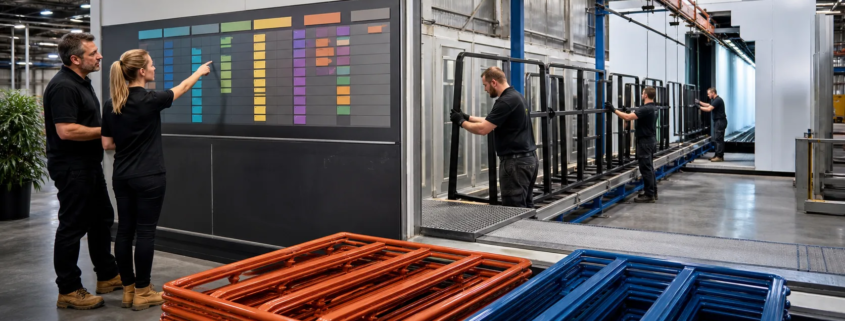
Large batch powder coating in Brisbane is about more than available spray capacity. Each item must be unloaded, racked, prepared, coated, cured, cooled, inspected, packed and dispatched in the right order. If those stages do not match fabrication and installation milestones, coated parts can end up taking space, being handled too often or waiting longer than planned.

Long sections, heavy structural pieces and high part counts need careful handling. Rack marks, stacking pressure and transport damage can spoil an otherwise sound finish. We recommend confirming loading plans early, particularly where parts need to return to a workshop in a specific sequence or go directly to site.

This time of year brings humid, stormy weather to Brisbane. Freight timing, wet-weather installation changes and protected storage all deserve extra room in the programme. Early booking and staged dispatches can help keep coated components moving without exposing them to unnecessary handling or weather-related delays before installation.

Build Warranty Requirements Into the Specification

Warranty-grade finishing starts well before powder reaches the metal. The coating system, substrate, design and project environment all need to suit one another.

For Dulux Steel Shield warranties, eligibility applies only to specified steel types, namely mild, bright, semi-bright, black or blue steel. Application must be completed by a Dulux Accredited Powder Coater to the relevant warranty specification. 

Design details can affect eligibility as well. Narrow crevices, sharp edges and unsealed hollow sections can allow moisture or contaminants to create problems over time. Exposed areas need proper sealing, while preparation may include washing, degreasing, edge grinding and abrasive blast cleaning to Sa 2.5 for applicable specifications. Eligibility also depends on the environment, including exposure to salt, liquids and strongly acidic or caustic settings, as well as on following the required maintenance programme. 

Aluminium projects have their own requirements, and the warranty pathway depends on which manufacturer’s powder is used. For Dulux powders, Alumi Shield eligibility depends on the project type, environment, accredited application and documented maintenance. Interpon has a separate warranty for its D2525 architectural range. When the powder is applied by an Interpon D Approved Applicator on a suitable project, the warranty terms include film integrity and colour retention. Product suitability, exclusions and warranty periods should always be confirmed for the individual project before production starts. 

Choose the Path That Reduces Project Risk

An in-house line can suit businesses with stable, ongoing volume, dedicated technical staff, enough floor space and a long-term commitment to maintaining specialist equipment. For changing workloads or schedule-driven packages, outsourced coating can provide scalable capacity and established preparation, finishing and dispatch processes.

The strongest choice is the one that supports your specification, part design, batch quantities and site dates from the beginning. Bringing coating requirements into the quoting and fabrication phase gives your team more time to resolve substrate questions, handling needs, finish expectations and possible warranty pathways before production is underway.

Keep Your Batch Moving With Clear Coating Planning

For dependable large batch powder coating in Brisbane, our team can review your parts, quantities and finish requirements before scheduling begins. Ipswich Powder Coating works with industrial projects that need consistent preparation, coating application and practical turnaround planning. Get in touch with our team to discuss your upcoming batch and request a tailored quote.

October 26, 2026/by Ipswich Powder Coating
https://www.ipswichpowdercoating.com.au/wp-content/uploads/2026/10/in-house-vs-outsourced-large-batch-featured.webp 941 1672 Ipswich Powder Coating https://www.ipswichpowdercoating.com.au/wp-content/uploads/2019/03/Ipswich-Powder-Coating-white-web.png Ipswich Powder Coating2026-10-26 00:00:002026-10-30 03:15:14In-House Vs Outsourced Large Batch Powder Coating in Brisbane
News

Understanding Food-Grade Powder Coating for Queensland Facilities

Understanding Food-Grade Powder Coating for Queensland Facilities

Food and beverage facilities place heavy demands on metal assets. To survive in a busy Queensland business, finishes on frames, guards, racking, enclosures and washdown-area equipment need careful planning before they enter service.

This is because food-grade powder coating in Queensland is not a one-size-fits-all label. We look at where the asset will sit, what it may be exposed to, how it will be cleaned and whether it could contact food or water. A finish that works well on an external enclosure may not suit a hygiene-sensitive processing zone.

Food Grade Means Fit for the Intended Use

A hygienic finish and a food-contact-approved finish are not automatically the same thing. For a non-food-contact item, such as a guard, equipment frame or storage rack, the focus may be on a smooth surface that is durable and easy to clean. Direct food-contact or incidental-contact surfaces can require much more specific manufacturer guidance.

Before a coating is selected, we recommend that you clarify the asset’s real working conditions. 

Useful questions include:

  • Will the item sit in a dry production area, cold room, washdown zone or external loading space?  
  • Could it be exposed to steam, oils, abrasion, moisture or regular sanitising products?  
  • Will the surface directly contact food, ingredients or potable water?  
  • Does your client, auditor or food safety program require particular documents or approvals?  

For direct-contact applications, general marketing wording is not enough. Confirming suitability requires product-specific manufacturer guidance that accounts for the food type, temperature, cleaning process and conditions of use. 

Match the Coating to the Zone and Substrate

The best powder coating system starts with the metal itself. Mild steel, stainless steel, aluminium and galvanised materials can need different preparation methods and coating approaches. Not every powder is suited to every substrate, location or operating condition.

In dry storage areas and external plant spaces, corrosion resistance and UV durability may be the main concerns. Food preparation areas often place more weight on smoothness, cleanability and resistance to regular sanitising. Washdown zones need close attention because regular contact with water and cleaning chemicals put extra pressure on a coating system.

We often encourage project teams to separate their facility into practical risk zones rather than applying one finish across every asset. That approach makes it easier to match the coating system to the actual exposure level.

Colour and texture deserve attention too. Light colours can make residue, scratches and coating damage easier to spot during routine inspections. On the other hand, heavily textured finishes may be harder to clean in areas where hygiene matters. Gloss level, finish texture and colour should all support the way your team cleans, inspects and maintains the item.

Build Hygiene Into Preparation and Application

Powder coating performance begins well before the powder is applied. Corrosion, oil, old failed coatings, weld spatter and sharp edges can weaken the finished system. They can also leave hard-to-clean spots where moisture or residue may collect.

Our in-house surface preparation and finishing process allows us to manage the job from the incoming asset through to the completed coating. Preparation is matched to the substrate and the chosen coating specification, rather than treated as a generic first step.

Depending on the project, preparation can include:

  • Washing and degreasing to remove surface contaminants  
  • Removing corrosion and failed existing coatings  
  • Grinding sharp edges and cleaning up weld areas  
  • Abrasive blasting where the specification calls for it  
  • Applying a suitable pretreatment process before coating  

Design details matter just as much as coating thickness or colour. Narrow crevices, unsealed hollow sections, sharp corners and poor drainage points can create trouble over time. Where required, hollow sections should be properly sealed, and fabricated items should allow access for cleaning, inspection and water drainage. A coating cannot fully correct a design that traps moisture or cleaning residue.

Confirm Documentation and Warranty Conditions Early

For commercial and industrial projects, paperwork is part of the job, not an afterthought. Before production starts, we recommend confirming the intended use, substrate, cleaning chemistry, site conditions and any food safety or client requirements.

Project records may include the approved coating specification, technical data sheets, safety data sheets, batch details, preparation records, curing information, inspection results and maintenance guidance. These documents help everyone involved understand what was specified and how the finished asset should be cared for.

A warranty also needs to be kept separate from food-safety suitability. Warranty programs generally address matters such as corrosion, colour fade, chalking, peeling, cracking or flaking under stated conditions. They do not automatically mean a coating is approved for direct food contact, immersion, aggressive chemical washdown or every processing environment.

For suitable steel projects, Dulux Steel Shield warranty eligibility depends on the correct substrate, specified system and application by a Dulux Accredited Powder Coater. The program includes corrosion and colour warranty components, with requirements around design, preparation, abrasive blast cleaning to SA 2.5 where specified, maintenance and operating conditions. Strongly acidic or caustic environments outside pH 5 to 9 may affect suitability and warranty availability.

Dulux Alumi Shield applies to architectural aluminium applications and includes colour and film-integrity warranty conditions. Interpon D2525 is an ultra-durable architectural range with its own approved-applicator warranty conditions. These programs may suit particular building and external asset projects, but they should never be assumed to cover every food facility application. Written manufacturer guidance should confirm whether a proposed warranty matches the substrate, environment and intended use.

Specify with Clear Information

The most reliable outcome comes from a clear brief before fabrication, installation or coating begins. We recommend sharing the substrate, asset location, food-contact risk, cleaning products, washdown frequency, operating environment, preferred appearance and warranty expectations early in the process.

A well-chosen coating system, supported by sound preparation and clear documentation, helps you make practical decisions that suit cleaning, maintenance and long-term service conditions.

Coating Advice Matched to Your Facility

Ipswich Powder Coating can help assess substrate, finish and service conditions before work begins. For practical guidance on food-grade powder coating in Queensland, we can discuss a suitable approach for your equipment and metal assets. Speak with our team about coating options for your facility. 

October 19, 2026/by Ipswich Powder Coating
https://www.ipswichpowdercoating.com.au/wp-content/uploads/2026/10/understanding-food-grade-powder-coating-featured.webp 941 1672 Ipswich Powder Coating https://www.ipswichpowdercoating.com.au/wp-content/uploads/2019/03/Ipswich-Powder-Coating-white-web.png Ipswich Powder Coating2026-10-19 00:00:002026-10-23 07:38:28Understanding Food-Grade Powder Coating for Queensland Facilities
News

Fabrication Details That Can Void an Aluminium Colour Warranty

Fabrication Details That Can Void an Aluminium Colour Warranty

A premium powder coat colour alone does not secure an aluminium colour warranty. The full project path matters, from fabrication and surface condition through to coating selection, application, installation, exposure and ongoing care.

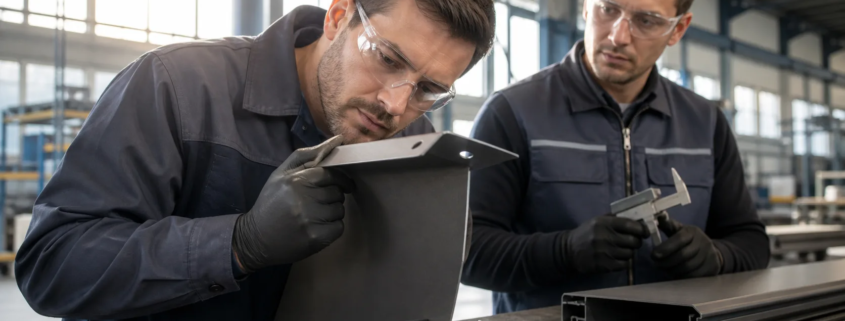
When we review architectural aluminium work at Ipswich Powder Coating, we look beyond the visible face of the component. Small fabrication choices can leave areas that are hard to prepare, coat, inspect, drain or clean later. Those details can affect whether the selected coating system suits the job and whether warranty conditions can be met.

Protect the Colour Promise Before Fabrication Begins

Colour and durability warranties cover different parts of coating performance. A colour warranty generally relates to fade and chalking, while a durability warranty addresses film integrity, including peeling, cracking and flaking. Both matter when you are specifying aluminium windows, doors, screens, louvres, balustrades, curtain wall parts and other architectural metalwork.

We recommend checking both types of coverage before fabrication is locked in. A finish may look excellent on a sample panel, yet the completed assembly can include tight folds, rough edges or enclosed spaces that change how the coating performs in service.

The aim is to treat the finish as part of the design, not as the final step after every other decision has been made. Early discussions with an architectural aluminium coating contractor help bring coating requirements into the drawing and fabrication stages, where changes are easier to manage.

Finish Sharp Edges and Hidden Areas Properly

Sharp corners, rough saw cuts, drill burrs and untreated areas beside welds can make it difficult for a consistent powder film to form. Although a colour warranty focuses on fading and chalking, poor coverage around vulnerable details can lead to broader coating concerns that should be dealt with before coating starts.

During planning, we can identify details that may need adjustment, such as edge softening, deburring, cleaning or a change to the component geometry. This gives the fabricator a clear path before parts move into surface preparation.

A complete finish strategy should consider more than the front-facing surfaces. Pay close attention to:

  • Cut-outs, slots and pierced sections  
  • Open ends and exposed internal faces  
  • Edges that may receive knocks during transport or installation  
  • Concealed areas exposed to condensation, weather or cleaning products  

Low-visibility does not always mean low-risk. Once installed, a hidden surface may be exposed to moisture, airborne contaminants or difficult cleaning conditions. If it cannot be prepared and coated properly, it deserves attention before the coating specification is finalised.

Design Crevices and Cavities to Release Moisture

Narrow gaps, overlapping sections and enclosed cavities can create trouble long after installation. Water, contaminants and cleaning residue may sit in these spaces, while limited access makes preparation, powder application, inspection and maintenance more difficult.

Good detailing may involve providing drainage paths, allowing ventilation where needed, sealing suitable hollow sections and avoiding shapes that hold water against coated faces. The correct option depends on the part design, the service environment and the coating supplier’s requirements.

The bottom line is that difficult details deserve a proper review. A coating cannot protect a surface as intended if moisture is trapped, access is restricted or the design leaves weak points in the film.

Coordinate Welding, Sealants and Adjacent Materials

Fabrication work completed after powder coating can damage both appearance and warranty eligibility. Cutting, drilling, welding, grinding and uncontrolled touch-up work may expose bare aluminium, break the powder film or leave visible colour differences that a simple site repair cannot hide.

Where possible, we recommend completing cutting, machining, drilling and fitting before surface preparation and coating. If post-coating work cannot be avoided, the project specification should set out approved repair methods, inspection requirements and responsibility for recording the work.

Material compatibility also deserves careful thought. Confirm the suitability of all adjoining materials, including:

  • Sealants and cleaning products  
  • Gaskets and packers  
  • Fixings and fasteners  
  • Other metals at connection points  

Some products may stain the coating, erode it during movement or hold moisture against the finished surface. Mixed-metal assemblies need suitable detailing to reduce corrosion risks and water traps. Rather than relying on assumptions, we encourage project teams to confirm compatibility with the coating supplier and the project documentation.

Match the Warranty System to the Real Environment

Warranty eligibility starts with an assessment of where the aluminium will be used. Dulux Alumi Shield warranties require the project to be identified by type (residential, commercial) and environment (mild, severe, tropical, etc.). Products must be applied by a Dulux Accredited Powder Coater, operate within a pH range of 5 to 9 and are not suitable for immersion in liquid.

For projects across South East Queensland, spring building programs are often moving quickly ahead of stronger summer sun, storms and higher moisture exposure. That is a useful time to confirm the coating system before fabrication changes become rushed or expensive to resolve.

We consider factors such as coastal exposure, high humidity, intense UV, proximity to pools or fountains and the planned cleaning regime. Recognised performance standards, such as AAMA 2603, 2604 and 2605, may also be relevant depending on the specified system. For high-exposure architectural applications, Interpon D2525 is an ultra-durable range with warranty terms available when applied by an Interpon D Approved Applicator. The final choice should always match the project environment and supplier documentation.

Keep Records That Support the Warranty

A warranty should be managed as a documented project process, not requested after installation. Keep approved drawings, fabrication details, coating specifications, colour selections, applicator records, inspection reports and maintenance instructions together. Dulux Alumi Shield also requires regular maintenance to be recorded in line with its documentation.

Building owners and facility managers need clear cleaning schedules and suitable product guidance, especially where aluminium faces airborne pollution, pool chemicals, coastal salt or regular moisture. Clear records and well-considered fabrication details give the finished coating its best chance to perform as specified.

Give Your Aluminium Finish the Best Start 

The team at Ipswich Powder Coating can help you assess fabrication details before coating begins, so potential warranty issues are identified early. Work with an architectural aluminium coating contractor that understands commercial specifications, coating systems and project requirements. Get in touch with our team for advice on your upcoming aluminium project. 

October 12, 2026/by Ipswich Powder Coating
https://www.ipswichpowdercoating.com.au/wp-content/uploads/2026/09/fabrication-details-that-can-void-featured.webp 941 1672 Ipswich Powder Coating https://www.ipswichpowdercoating.com.au/wp-content/uploads/2019/03/Ipswich-Powder-Coating-white-web.png Ipswich Powder Coating2026-10-12 00:00:002026-10-16 05:08:10Fabrication Details That Can Void an Aluminium Colour Warranty
News

How Hospital-Grade Powder Coating Specs Handle Cleaning Chemicals

How Hospital-Grade Powder Coating Specs Handle Cleaning Chemicals

Keep High-Touch Hospital Assets Cleaner and Protected

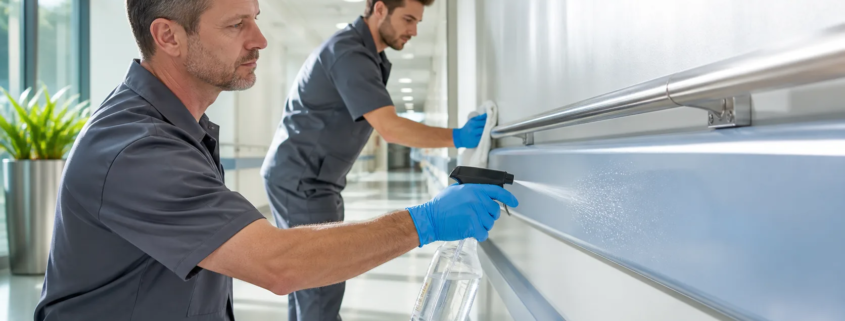
Hospitals, clinics, aged-care facilities and health precincts need more from coated metal than a good-looking colour. Handrails, bed frames, lockers, security screens, doors, trolleys and service enclosures can face repeated disinfecting, scuffing and moisture every day.

Hospital-grade powder coating is a performance-led specification that looks at the substrate, coating system, cleaning routine, environmental exposure and maintenance needs together. When these details line up, coated assets can hold their film integrity and appearance for longer, helping reduce early repainting, disruption and replacement.

As Queensland moves towards hotter, more humid summer conditions, we recommend reviewing condensation-prone areas, cleaning protocols and maintenance plans before extra heat, moisture and frequent cleaning put more pressure on finishes.

Map the Real Chemical Exposure Before Specifying a Finish

A suitable hospital-grade powder coating specification begins with the products actually used on site. “Hospital disinfectant” is too broad to guide a finish choice. We encourage project teams to review safety data sheets and cleaning instructions for disinfectants, detergents, sanitisers, degreasers and spot-cleaning products.

Small differences can matter. A neutral cleaner used daily may present a very different exposure from an alkaline degreaser used occasionally in a plant room or food-service space. We look at factors such as:

  • pH level, concentration and dilution rate  
  • Contact time and cleaning frequency  
  • Application method and water temperature  
  • Abrasive pads, brushes or mechanical scrubbing  

Strongly acidic or caustic products can create risks for coating systems and warranty conditions. Dulux warranty guidance specifies cleaning and environmental conditions within a pH range of 5 to 9. That makes chemical compatibility checks part of the specification, not an afterthought.

Zoning the project also helps avoid a one-size-fits-all finish. Public waiting rooms, patient spaces, laboratories, kitchens, plant rooms and exterior entries can each have different chemical exposure, moisture levels and cleaning demands. By assessing these areas separately, we can help you make a more informed finish selection.

Build a Coating Specification That Performs

A well-written powder coating specification sets clear expectations before fabrication and finishing begin. It should cover the metal substrate, pre-treatment, powder system, film thickness, colour, gloss, curing requirements, inspection standards and documented maintenance instructions.

Finish choice should balance appearance with day-to-day cleaning. Smooth coatings can be easier to wipe in high-touch spaces, while textured finishes may help hide minor marks in trade or service areas. The right answer depends on how visible the item is, how it is cleaned and what it needs to do.

Chemical resistance should not be confused with general durability. A finish may resist scratching, weathering or UV exposure well, yet still need separate confirmation for a particular disinfectant or degreaser. Where chemical exposure is unusual or demanding, we recommend seeking technical advice and considering sample-panel or product testing with the proposed cleaners.

A practical specification checklist includes:

  • Confirm the cleaners and cleaning methods  
  • Nominate exposure zones across the facility  
  • Select the powder system and substrate preparation  
  • Define acceptance standards and maintenance timing  

This gives builders, fabricators, facility managers and architects a clearer basis for selecting a finish that suits the real operating conditions.

Design and Prepare Steel and Aluminium for Long Service

Even a premium powder system can break down early if the fabricated item creates places for water or chemical residue to sit. Narrow crevices, sharp edges, unsealed hollow sections, water traps and hard-to-clean joints can all increase the chance of corrosion and coating failure.

For eligible Dulux Steel Shield warranty specifications, mild steel preparation can include washing, degreasing, edge grinding and abrasive blast cleaning to SA 2.5 standard. Correct preparation is not optional when a warranty-grade outcome is required. Good coating performance starts well before powder reaches the metal.

Steel and aluminium also need different assessments. Dulux Steel Shield applies only to specific steel substrates, namely mild, bright, semi-bright, black or blue steel. It does not cover other steel types, including galvanised coated steel. Architectural aluminium may instead require an appropriate Dulux Alumi Shield system and a project-specific environmental assessment.

Early coordination gives us the chance to consider coating access, drainage, sealing, edge treatment and practical maintenance before fabrication is complete. Addressing these details early can prevent redesigns later and may help avoid situations where warranty eligibility is unavailable.

Confirm Warranty Conditions and Ongoing Maintenance

A warranty should support a well-planned specification, not replace one. Eligibility can depend on the substrate, environment, selected powder, preparation standard, applicator approval and ongoing maintenance requirements.

For eligible steel work, Dulux Steel Shield includes corrosion and colour warranty components. Warranty periods vary by product and project conditions. The system must be applied by a Dulux Accredited Powder Coater to the relevant specification, while the design must avoid known risks such as sharp edges and unsealed sections. Regular care and maintenance are also required.

Dulux Alumi Shield is intended for eligible architectural aluminium projects. It can provide colour and film-integrity protection where the project type and environment have been correctly assessed. Conditions include application by a Dulux Accredited Powder Coater, pH conditions between 5 and 9, recorded maintenance and no immersion in liquids.

Interpon D2525 may suit selected exterior architectural applications where weathering, abrasion and UV performance are priorities. Applied by an Interpon D Approved Applicator, it can carry a Gold Global Warranty with film-integrity and colour components. However, that should not be treated as automatic cover for cleaning-chemical resistance.

Before relying on warranty coverage, we recommend obtaining written, project-specific confirmation from the coating manufacturer and applicator.

Set a Defensible Specification Before Summer Cleaning Peaks

Cleaning-chemical resistance starts with a complete specification, not a last-minute colour choice. The cleaner, substrate, design details, preparation process, environmental conditions and warranty requirements all need to work together.

Before humid summer weather increases cleaning and moisture demands, we encourage you to review high-touch assets for early wear, changed cleaning products and upcoming refurbishment needs. A clear record of chemical exposure and maintenance practices gives your project team a sounder basis for choosing and caring for the finish.

Specify a Finish That Supports Ongoing Care

For project-specific guidance, see our hospital-grade powder coating work for Roma Hospital. Ipswich Powder Coating can help assess substrate preparation, finish selection and documented maintenance requirements for healthcare assets. To discuss your specification or refurbishment scope, contact us and our team will provide practical advice for your project.

October 5, 2026/by Ipswich Powder Coating
https://www.ipswichpowdercoating.com.au/wp-content/uploads/2026/09/how-hospital-grade-powder-coating-specs-featured.webp 941 1672 Ipswich Powder Coating https://www.ipswichpowdercoating.com.au/wp-content/uploads/2019/03/Ipswich-Powder-Coating-white-web.png Ipswich Powder Coating2026-10-05 00:00:002026-10-16 05:06:08How Hospital-Grade Powder Coating Specs Handle Cleaning Chemicals

Archive

  • November 2026
  • October 2026
  • September 2026
  • August 2026
  • July 2026
  • June 2026
  • May 2026
  • April 2026

Categories

  • News
  • Personal

Facebook

Instagram

Follow Me!

  • 88-92 Berry Street
    Yamanto QLD 4305

  • 07 3281 5766

  • sales@ipswichpowdercoating.com.au

Quick Links

Commercial
Industrial
Trade
Colours
Resources

About IPC

Home
Who We Work With
What We Do
Contact Us
Find Us

© 2026 Copyright - Ipswich Powder Coating | Website By: YDS
  • Link to Mail
Scroll to top Scroll to top Scroll to top