Loading
  • Link to Mail

YOUR PROJECT PARTNER IN POWDER COATING

PH: (07) 3281 5766

Ipswich Powder Coating | Powder Coating Near Me | Ipswich
  • Home
  • About Us
  • Commercial
  • Industrial
  • Trade
  • Projects
  • Resources
  • Colours
  • Blog
  • Contact
  • Menu Menu
News, Personal

Steel Shield and Alumi Shield: Why They Are Not Interchangeable

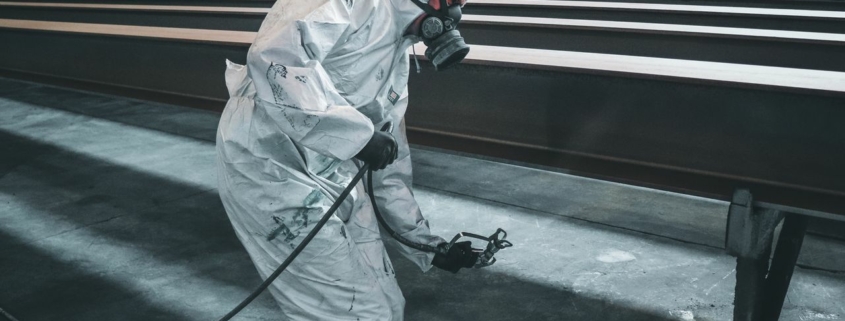
Dulux SteelShield applicator

Steel Shield and Alumi Shield Start with Different Metals

When it comes to powder coating, the first question is not simply which colour or finish you want. Before drawings are released, we recommend confirming what metal is being coated, where it will operate and which warranty outcome the project requires. A system suitable for aluminium cannot automatically be transferred to steel, and Steel Shield does not automatically apply to galvanised steel, stainless steel or other non-eligible steel substrates.

Dulux Steel Shield and Alumi Shield are not interchangeable because they apply to different substrates and address different failure modes. Alumi Shield is Dulux’s project warranty framework for eligible architectural aluminium, covering colour performance and film integrity. Steel Shield is for eligible mild steel, covering colour performance and corrosion protection. A Dulux powder product alone does not create either warranty: substrate, environment, specification, accredited application and process must align.

Early review can help project teams translate warranty requirements into practical decisions for fabrication, surface preparation, coating application and project records. That review is most useful before production begins, when changes can still be made without disrupting the program.

Warranty Components Change with the Substrate

Dulux separates warranty components according to the substrate. This matters because colour performance, film integrity and corrosion protection are different measures of coating performance. Here’s where the differences sit:

  • A colour warranty addresses fade and chalking.  
  • An aluminium durability warranty addresses film integrity, meaning the coating should not peel, crack or flake for a specified period when correctly specified and maintained.  
  • A steel corrosion warranty addresses corrosion protection for eligible steel substrates.  

Alumi Shield is structured around aluminium durability and colour performance. Steel Shield is structured around steel corrosion and colour performance. Steel Shield corrosion cover should not be described as a film-integrity warranty, and Alumi Shield should not be treated as steel corrosion cover.

Dulux Warranty Framework by Substrate

Now we’ll go through each Dulux warranty framework, matching substrate to warranty components and the specification checks that keep a project on track.

Eligible architectural aluminium:

  • Applicable framework: Dulux Alumi Shield  
  • Warranty components: Colour warranty for fade and chalking, durability warranty for film integrity  
  • Key specification checks: Project type, environmental exposure, product selection, accredited aluminium application and maintenance requirements

Eligible mild steel, bright or semi-bright steel, black or blue steel:

  • Applicable framework: Dulux Steel Shield  
  • Warranty components: Colour warranty for fade and chalking, corrosion warranty  
  • Key specification checks: Steel eligibility, fabrication design, blast-cleaning and preparation, system configuration, accredited steel application and maintenance requirements

Galvanised coated steel and other non-listed steel types:

  • Applicable framework: Not automatically eligible for Steel Shield  
  • Warranty components: Must be confirmed for the particular substrate and coating system  
  • Key specification checks: Manufacturer and applicator advice before specification or fabrication release

Dulux Accredited Powder Coater materials and warranty documentation set out the full terms, project classifications and exclusions. Those details should be confirmed with Dulux’s specifications for each project.

Accreditation and Pre-Approval Support Warranty Grade Work

Specifying a Dulux powder coating product does not, by itself, create a project warranty. The selected product must be suitable for the project, and the work must be completed by a Dulux Accredited Powder Coater to the relevant warranty specification and conditions.

Accreditation is not a marketing label. It is part of the control system linking product selection, applicator capability, application quality and project warranty eligibility. Dulux Accredited Powder Coaters may hold accreditation for aluminium, steel or both.

Project teams should involve an appropriate applicator early enough to confirm whether the steel substrate, proposed powder, exposure classification, fabrication details and warranty expectations can be aligned before coating work is scheduled.

Dulux warranty conditions require accredited application, correct specifications, project suitability and maintenance. Project-specific eligibility and any approval requirements should be confirmed with Dulux before work proceeds.

Steel Eligibility Begins Before Fabrication

Steel Shield applies exclusively to mild steel, bright or semi-bright steel, and black or blue steel where Dulux conditions are met. It does not automatically cover galvanised coated steel or other steel types. That distinction needs to be resolved before fabrication drawings, material purchasing and coating specifications are finalised.

Fabrication details can affect corrosion performance long before an item arrives at the coating line. Narrow crevices, unsealed hollow sections, water traps, sharp edges and inaccessible internal surfaces can create points where moisture remains or coating coverage is difficult to achieve. Where required by the specification, exposed areas and hollow sections need appropriate sealing.

Preparation may include:

  • Washing and degreasing to remove contaminants.  
  • Edge grinding to reduce sharp profiles.  
  • Abrasive blast cleaning to SA 2.5 where required by the Dulux warranty specification.  
  • Controlled preparation and coating records matched to the project requirements.  

IPC Project Review Insight

Warranty risks can arise before the item reaches the coating line, particularly where fabrication details create moisture traps, sharp edges, inaccessible internal surfaces or unclear substrate identification. Early specification review gives the project team time to address these matters before fabrication is complete.

Technical review should consider the applicable Dulux documentation, substrate, coating system, environmental exposure and project requirements.

Product, Exposure and Maintenance Set the Term

Warranty periods are product-specific. Under Steel Shield, corrosion warranty periods are listed as up to 10 years for eligible products and projects, while colour warranty terms range from 10 to 30 years depending on the product.

Alumi Shield terms also vary by product family, project type and environmental conditions. Dulux documentation should be checked for the applicable durability and colour warranty periods, exclusions and product suitability for each project.

Environmental conditions also shape suitability. Both frameworks require suitable pH conditions, generally between pH 5 and 9, and are not suitable for strongly acidic or caustic conditions. Alumi Shield is not suitable for immersion in liquids. Coastal exposure, pools, fountains and other nearby liquids may affect product selection and warranty availability.

Dulux aluminium product guidance references internationally recognised AAMA performance standards, including AAMA 2603, AAMA 2604 and AAMA 2605. A documented maintenance program is required to retain warranty compliance.

Review the Warranty Pathway Before Release

The warranty pathway is a chain: substrate, project type, environmental exposure, coating product, system build, accredited applicator, controlled preparation, documented application and maintenance. If one link is missing, the required warranty may not be available.

Alumi Shield is the appropriate Dulux framework for eligible aluminium requiring colour and film-integrity assurance. Steel Shield is the appropriate framework for eligible mild steel requiring colour and corrosion protection. Early project review allows the coating pathway to be assessed against the substrate and warranty outcome before fabrication locks in avoidable risks.

Confirm The Right Coating Pathway

Ipswich Powder Coating can review your substrate, project environment and specification requirements before coating begins. Work with a Dulux Steel Shield applicator in Queensland to assess suitable preparation, coating and warranty pathways for eligible steel. For project-specific guidance or a quotation, get in touch to share the details of your project. 
September 16, 2026/by Ipswich Powder Coating
https://www.ipswichpowdercoating.com.au/wp-content/uploads/2026/08/SteelShield-applicator.jpg 853 1280 Ipswich Powder Coating https://www.ipswichpowdercoating.com.au/wp-content/uploads/2019/03/Ipswich-Powder-Coating-white-web.png Ipswich Powder Coating2026-09-16 17:00:082026-09-10 05:31:56Steel Shield and Alumi Shield: Why They Are Not Interchangeable
News

Can Alumi Shield Protect Aluminium Near Pools and Fountains?

Can Alumi Shield Protect Aluminium Near Pools and Fountains?

Protect Poolside Aluminium Before Spring Use

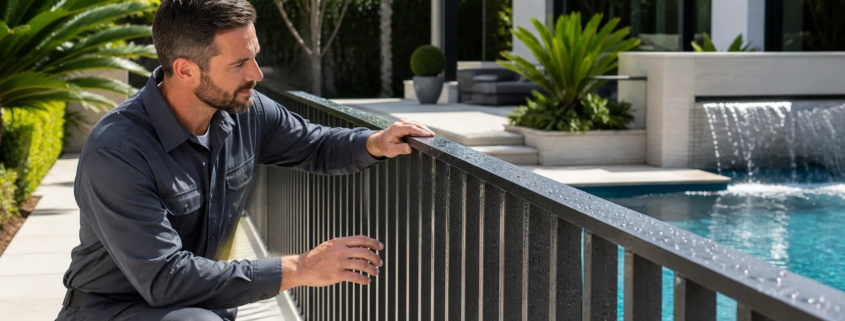
Yes, Alumi Shield can help protect architectural aluminium near pools and fountains when the coating system suits the real environment, is applied by an accredited coater and is maintained properly. September is a sensible time to inspect outdoor metalwork before warmer months bring more use of pools, fountains and shared outdoor areas.

Around South East Queensland, we see aluminium balustrades, gates, screens, louvre systems and feature metalwork exposed to far more than sun and rain. Chlorinated water, saltwater spray, humidity, cleaning products and lingering moisture can all affect a finish over time. At Ipswich Powder Coating, we help commercial, industrial and trade projects work through specification-led surface finishing requirements before fabrication and installation create harder-to-fix problems.

Poolside conditions do not mean every aluminium item needs the same system. They do mean the location, water chemistry, design details and expected maintenance need to be considered early. Powder coatings are not suitable for immersion in liquid, and any warranty depends on the selected product, site conditions, preparation, application and maintenance records.

Pool and Fountain Exposure Need a Different Specification

A pool or fountain creates its own little microclimate. Water can splash, evaporate and settle on nearby metalwork, while wind may carry chemical residue beyond the pool edge. Even an item that never touches the water can be exposed to repeated dampness and contaminants.

We recommend looking closely at conditions around each aluminium component, including:

  • Wind-blown spray from chlorinated or saltwater pools
  • Splash zones beside fountains and water features
  • Condensation in shaded, humid or enclosed outdoor areas
  • Cleaning chemicals used on paving, glass and pool surrounds
  • Poor drainage around screens, gates, balustrades and louvres

Distance makes a real difference. Aluminium positioned well away from the water may face ordinary exterior exposure. By contrast, a balustrade beside a pool edge, a louvre system close to a fountain, or a screen in a persistently humid courtyard may need a coating recommendation suited to more demanding conditions.

Water chemistry also matters. Chlorinated pools, saltwater pools and chemically treated fountains can present different risks. Dulux guidance generally requires an environment with a pH between 5 and 9. If the surrounding conditions sit outside that range, or the aluminium may be exposed to stronger acidic or caustic products, the proposed coating may not be suitable.

The best time to address these questions is before parts are fabricated, delivered and fixed in place. Once a design includes difficult joins or poorly drained areas, coating performance can be harder to protect.

Alumi Shield Warranties Depend on Site Conditions

Dulux Alumi Shield is a warranty program for architectural aluminium. It includes colour protection against fade and chalking, along with durability protection for film integrity, meaning the coating is covered against peeling, cracking and flaking under the applicable terms.

Warranty suitability is not based on colour alone. The project needs to be assessed by building type and environment. Dulux documentation distinguishes between project types such as residential, commercial and non-habitable work, as well as environments that may be mild, severe or tropical.

For poolside aluminium, the assessment should account for more than the street address. It should consider where the item sits in relation to the pool or fountain, whether it receives splash, how often it stays damp and what cleaning or water-treatment products may reach the surface.

A Dulux Accredited Powder Coater in Brisbane can help project teams assess whether the proposed coating system and environmental category align with Dulux documentation before fabrication or installation begins. That early check can help avoid selecting a finish based only on appearance when site exposure is the bigger issue.

It is also worth keeping expectations clear. Alumi Shield products are not designed for immersion in any liquid. A handrail near a pool may be considered differently from a submerged fitting, for example. Warranty eligibility is always subject to the applicable documentation, project details and conditions being met.

Accredited Application Supports Lasting Performance

An Alumi Shield warranty is only available when the relevant product is applied by a Dulux Accredited Powder Coater and the project follows the approved specification. The coating itself matters, but so does the way it is prepared, applied, cured and documented.

Aluminium needs substrate-specific preparation before powder is applied. Surface contamination, oils, residues or poor preparation can interfere with coating adhesion. Controlled application and correct curing are equally important, because an attractive finish is not automatically a finish that will perform as intended near water and chemicals.

When selecting a Dulux Accredited Powder Coater in Brisbane, ask whether they can review the aluminium substrate, pool or fountain proximity, product range, finish selection and warranty pathway for the specific project. That discussion should happen before the final colour and coating system are locked in.

We also encourage project teams to keep the relevant records together. Specifications, application details, maintenance requirements and site information can all matter if warranty eligibility is being considered. Good documentation gives builders, facility managers and owners a clearer reference point once the aluminium is installed.

Design and Maintenance Help Preserve the Finish

Even a suitable coating system can be put under unnecessary pressure by poor detailing. Water needs somewhere to go. If moisture collects in narrow crevices, unsealed joins, hollow sections or around fittings, the surface may remain damp longer than intended.

Useful design points to review include:

  • Sharp edges that may not receive even coating coverage
  • Unsealed joins and exposed hollow sections
  • Water traps at the base of screens, gates or balustrades
  • Tight gaps that are difficult to wash and inspect
  • Surfaces that cannot be safely accessed for regular cleaning

Drainage-friendly detailing and accessible surfaces make ongoing care more practical. We recommend a regular, recorded maintenance program that suits the actual exposure of the item. Aluminium beside a saltwater pool or active fountain may need more frequent washing than metalwork in a sheltered area away from water.

Suitable cleaning removes airborne salts, chemical residue and general surface contaminants before they can sit on the finish for long periods. Maintenance should follow the relevant Dulux guidance, particularly where a warranty is being considered or maintained.

It is also important not to confuse Alumi Shield with Dulux Steel Shield. Steel Shield is a mild-steel warranty program and should not be used as the basis for assumptions about aluminium. Architectural aluminium needs its own Alumi Shield assessment and specification.

Confirm Your Poolside Aluminium Coating Plan

Before spring installations, pool upgrades or outdoor refurbishment work begins, gather the practical details of the job. Record the aluminium item, its location, distance from water, likely splash exposure, pool or fountain chemistry, preferred colour and access for future maintenance. These details provide a much clearer starting point for a coating recommendation.

Match the proposed coating system to the actual poolside exposure, then check that the environmental category, product limitations and maintenance requirements align with the relevant Dulux documentation before work proceeds. A coating plan that reflects the real poolside environment gives the finished aluminium its best chance to stay clean-looking and serviceable over time.

Coating Advice for Demanding Poolside Aluminium

Ipswich Powder Coating can help you assess the practical requirements of your architectural aluminium project, from coating selection to preparation and finishing. Work with a Dulux Alumi Shield applicator in Brisbane to discuss a system suited to the exposure conditions and intended use. For project-specific guidance or a quote, contact us and our team will be ready to assist.

September 14, 2026/by Ipswich Powder Coating
https://www.ipswichpowdercoating.com.au/wp-content/uploads/2026/09/can-alumi-shield-protect-aluminium-near-featured-8.webp 941 1672 Ipswich Powder Coating https://www.ipswichpowdercoating.com.au/wp-content/uploads/2019/03/Ipswich-Powder-Coating-white-web.png Ipswich Powder Coating2026-09-14 00:00:002026-09-02 07:01:50Can Alumi Shield Protect Aluminium Near Pools and Fountains?
News, Personal

Why Dulux Accreditation Is More Than a Badge

powder coating

Accreditation Turns Coating Claims Into Project Assurance

A Dulux Accredited Powder Coater is an applicator audited and certified by Dulux to apply approved powder coating systems to nominated substrates and product levels. Accreditation is not simply a logo or marketing claim. It is the pathway required to issue eligible Dulux Alumi Shield and Steel Shield project warranties, subject to pre-approval, specification compliance and project conditions.

For architects, engineers, builders and fabricators, that distinction matters well beyond the appearance of the finished surface. Your choice of applicator can affect specification compliance, warranty eligibility, traceability, handover records and the long-term performance of the asset. At Ipswich Powder Coating, we treat accreditation as one part of a controlled project process, not a standalone claim.

Dulux Accreditation Supports Warranty Eligibility

Dulux accreditation is required for eligible warranty projects, but warranty eligibility remains project-specific. Dulux Alumi Shield and Steel Shield warranties are valid only when the relevant product is applied by a Dulux Accredited Powder Coater to the required warranty specification.

Project teams should confirm the applicator’s current accreditation status and whether the nominated product, substrate and specification align with the relevant Dulux warranty requirements.

Accreditation supports warranty work, but it does not replace project approval. An accredited applicator must still follow the approved system, preparation requirements, design conditions and maintenance obligations for the project.

Practical checks for assessing an applicator include:

  • Current Dulux Accredited Powder Coater status.  
  • The nominated substrate and powder system.  
  • Project-specific warranty eligibility and pre-approval requirements.  
  • Documentation confirming the applicable warranty conditions.  

The bottom line is that accreditation is just one part of assessing whether an applicator is suitable for the project. 

Warranty Eligibility Starts Before Production Begins

Accreditation opens the door to a warranty pathway, but it does not make every project automatically eligible. Dulux warranty eligibility depends on the substrate, selected product, project type, environmental conditions, design details, preparation requirements and maintenance commitments.

For a warranty project, product pre-approval must occur before coating begins. This confirms whether the nominated system is suitable for the project conditions. We recommend resolving that question during design, tender or procurement, rather than after fabricated items have arrived for coating. By then, a change in substrate, edge detail or coating system can affect program timing and documentation.

Dulux Alumi Shield applies to eligible architectural aluminium projects. It includes colour warranty coverage for fade and chalking, plus durability warranty coverage for film integrity, meaning protection against peeling, cracking or flaking.

Steel Shield is different. It applies to eligible mild, semi-bright, bright, black and blue steel. It provides corrosion warranty coverage and colour warranty coverage for fade and chalking. It does not cover galvanised-coated steel or other excluded steel types.

Dulux warranty documentation also sets clear limits. Coated surfaces are approved for environments of pH 5 to 9 only, with immersion excluded. Coastal exposure, proximity to pools and other liquids, strongly caustic environments, geothermal conditions, narrow crevices and sharp edges can all affect suitability and warranty eligibility.

Warranty Pathways Depend on Substrate and System

The guide below is useful at specification stage, but it is not a substitute for project-specific pre-approval. Final eligibility, warranty duration and maintenance obligations must be confirmed against the relevant Dulux warranty documentation.

System Eligible Substrate Warranty Coverage Key Conditions Typical Duration Range
Alumi Shield Architectural aluminium Colour warranty for fade and chalking, plus durability warranty for film integrity Accredited applicator, approved product, suitable project type and environment, documented maintenance Durability and colour coverage periods are product-dependent
Steel Shield Mild steel, bright or semi-bright steel, black or blue steel Corrosion warranty plus colour warranty for fade and chalking Accredited applicator, warranty specification, SA 2.5 abrasive blast cleaning where required, compliant design and maintenance Corrosion coverage up to 10 years and colour coverage from 10 to 30 years, depending on product
Steel Shield Exclusion Galvanised-coated steel Not covered by Steel Shield Review an alternative coating system and manufacturer pathway before specification Not applicable

Warranty periods are product-specific, not universal promises. Dulux Fluoroset, for example, may provide longer aluminium durability and colour periods than Duralloy under the applicable approved conditions. Exposure classification and project details still determine whether that pathway is appropriate.

How Ipswich Powder Coating Produces Warranty-Grade Quality Work

The real value of a certified powder coating applicator is delivered on the workshop floor. Accreditation supports the warranty pathway, but the finished outcome depends on correct preparation, application control, inspection and documentation.

At Ipswich Powder Coating, all work is completed on-site at our Queensland facility, giving us direct control over quality stages and production scheduling. Our documented process controls include:

  • Substrate-specific preparation procedures and chemical pretreatment.  
  • Abrasive blast cleaning where the approved system requires it.  
  • Controlled powder application, film thickness checks and cure verification.  
  • Visual inspection, batch traceability and project-specific inspection records.  
  • Packing and handling controls to help reduce transport and installation damage.  

For warranty-grade work, those details matter. They support statements of conformance, inspection reporting, manufacturer system documentation and warranty certification where required.

Catching Warranty Risks Before Production

Warranty issues can start before coating begins. Problems can arise when the substrate is misidentified, environmental exposure is underestimated, edge treatment is overlooked, fabricated sections are left unsealed or the specified system does not match the intended warranty pathway.

Steel work especially needs early attention to preparation and fabrication detail. Sharp edges, narrow crevices and unsealed hollow sections can hold moisture or create weak points in the coating system. Where Steel Shield is being considered, the required preparation can include washing, degreasing, edge grinding and abrasive blast cleaning to SA 2.5, in line with the approved specification.

Project-specific technical review should be completed against current manufacturer requirements. Current accreditation status and project eligibility should always be confirmed before warranty documentation is issued.

Submit the Specification Before Coating Starts

Dulux accreditation is more than a badge because it supports an auditable pathway from product selection and pre-approval through to controlled application and eligible manufacturer-backed warranty documentation. It should be considered alongside substrate approval, system capability, quality records and the applicator’s ability to interpret project-specific conditions.

As fabrication programs, construction packages and year-end delivery schedules are planned, coating requirements should be resolved before production begins. A clear specification should identify the substrate, environmental exposure, drawings, nominated powder system, preparation requirements, required warranty period and maintenance expectations.

Confidence in Every Coating Decision

Ipswich Powder Coating can help you assess your project requirements and select a coating system suited to the substrate, exposure and warranty conditions. Work with a certified powder coating applicator to support compliant preparation, application and documentation from the outset. For project-specific advice or a quote, get in touch and our team will discuss your requirements.

September 9, 2026/by Ipswich Powder Coating
https://www.ipswichpowdercoating.com.au/wp-content/uploads/2026/08/Structural-Steel-Powder-Coating.jpg 853 1280 Ipswich Powder Coating https://www.ipswichpowdercoating.com.au/wp-content/uploads/2019/03/Ipswich-Powder-Coating-white-web.png Ipswich Powder Coating2026-09-09 17:00:032026-09-02 10:32:02Why Dulux Accreditation Is More Than a Badge
News, Personal

Evaluating Powder Coating for Engineers on Queensland Projects

Engineers

Why Queensland Engineers Are Rethinking Coatings

Powder coating is not just about colour chips and finish samples. For Queensland engineers, it sits right in the middle of asset performance, risk and long-term maintenance planning. With harsh UV, humidity, coastal salinity and cyclone events, coating failure can quickly turn into serious corrosion, safety issues and unplanned shutdowns.

When a handrail starts rusting on a busy walkway, or a shade structure peels near the foreshore, it can affect slip resistance, structural performance and public confidence. Boards and asset owners are asking tougher questions about whole-of-life costs, warranty compliance and how long a coating system will realistically last before it needs to be redone.

That is why powder coating for engineers is a strategic choice. The right system helps reduce maintenance cycles, keep assets online for longer and make it easier to show that design and construction meet client and government requirements in Queensland conditions.

Understanding Powder Coating Performance in Queensland Conditions

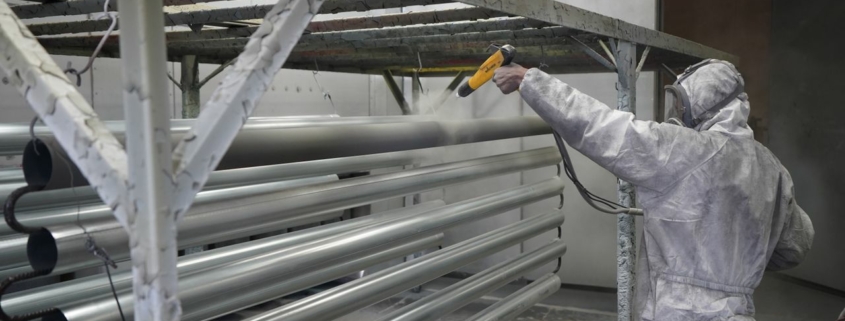
Powder coating starts as a dry powder that is charged and sprayed onto earthed metal, then baked so it flows and cures into a continuous film. Unlike wet paint, there are no solvents flashing off. The result is a tough, consistent coating with good film build and edge coverage when it is applied and cured correctly.

In Queensland, that film is under pressure from day one. Engineers should pay close attention to:

  • UV stability and chalking resistance  
  • Colour and gloss retention over time  
  • Impact and abrasion resistance on high-touch areas  
  • Edge coverage and film thickness on welds and cut edges  
  • Corrosion protection for both aluminium and steel substrates  

High UV can cause some coatings to fade or chalk early. High humidity and coastal salinity can push moisture and salts into any weak spots in the system, especially on sharp edges or poorly prepared surfaces. Powder that performs well in mild inland climates may not cope on a coastal bridge or an exposed facade in the tropics.

Australian standards help turn these concerns into measurable performance. For example, engineers commonly refer to:

  • AS 3715 for powder coating of architectural aluminium  
  • AS 4506 for thermoset powder coatings in general  
  • Salt-spray and cyclic corrosion testing to mirror harsh coastal exposure  

While lab tests are accelerated and controlled, they give a useful comparison between powder systems when you are assessing options for coastal, inland or tropical zones across Queensland.

Specifying Powder Coating for Local Projects

Good performance starts at the specification stage. When powder coating for engineers is treated as a system, not a last-minute paint note, it is easier to get consistent outcomes from tender through to installation.

Key points to lock into your specs include:

  • Substrate preparation, such as blasting of steel or chemical treatment on aluminium  
  • Pre-treatment systems suitable for the exposure category  
  • Minimum and maximum film thickness for each coat  
  • Powder type, such as polyester or fluoropolymer, matched to UV and corrosion demands  
  • Finish selection, including gloss level and texture, for glare and heat control  

Queensland conditions shift quickly as we move toward the hotter, stormier months. Heading into spring, UV levels rise, surfaces heat up and storm exposure increases. That is when colour and finish choices start to show their impact. Lighter colours help reduce heat buildup on facades and walkways, which can:

  • Lower thermal movement in long members  
  • Improve comfort for users touching handrails or seats  
  • Reduce heat stress on connections and fixings  

To support these outcomes, it helps to coordinate early with fabricators and coating applicators. Engineers can set clear expectations around:

  • Weld quality and grinding to avoid undercuts and porosity  
  • Breaking sharp edges so the coating can build properly  
  • Drain and vent holes to prevent trapping chemicals or water  
  • Assembly details, so critical surfaces can be fully coated  

When these details are agreed before shop drawings are finalised, it is easier to meet specification targets and keep the coating system within warranty conditions.

Warranty-Grade Coatings and Risk Management

Warranty-grade powder coating is about more than a document in the handover pack. It is a whole way of working that links suitable powder products, controlled processes and traceable records so performance is predictable instead of hopeful.

For engineers, that usually means working with:

  • Applicators who follow documented procedures from surface prep to curing  
  • Approved powder systems that have proven performance in harsh conditions  
  • Batch records and inspection reports that tie each project to identifiable production data  

When warranties are backed by strong quality systems, they support engineering decisions all the way from design sign-off to operations. If there is a problem later, you can trace what was applied, how it was processed and whether it matches the original specification.

On common assets like pedestrian bridges, shade structures, facade framing, handrails and park infrastructure, getting this right avoids early blistering, rust staining or flaking. That, in turn, reduces:

  • Disruption to users while rectification work is done  
  • Safety concerns around corroded edges or loose coating flakes  
  • Reputational risk for both the engineer and the asset owner  

Treating the coating as a warranty-grade system helps shift risk away from guesswork and towards controlled, documented performance.

Choosing a Powder Coating Partner for Complex Projects

Not every spray shop is set up for architectural, industrial and infrastructure work. Larger Queensland projects often involve heavy sections, long members or complex assemblies that need careful handling from blasting through to curing.

When engineers are choosing a partner, it is worth checking for:

  • In-house blasting and pre-treatment, so the whole process is controlled from start to finish  
  • Capacity for large or awkward components that match your project scale  
  • Clear systems to keep colour and gloss consistent across multiple stages  
  • Inspection, documentation and communication that fits with construction programs  

This kind of capability supports the intent of the design. When one team handles the process in-house, it is easier to line up coating details with the drawings and the specification, rather than trying to coordinate multiple suppliers.

At Ipswich Powder Coating, we focus on end-to-end, in-house coating services for aluminium and steel across architectural, industrial and infrastructure projects in Queensland. Our experience on local assets helps us work with engineers so coating decisions match the conditions those assets will face over their service life.

Turning Specifications Into Long-Term Asset Performance

Powder coating for engineers works best when it is treated as a performance system, not just a palette choice. A few practical steps can make a big difference on your next Queensland project:

  • Review existing coating specs against exposure categories and current asset expectations  
  • Nominate warranty-grade powder coating systems where UV, humidity or salinity are high  
  • Engage a specialist applicator early so the design details suit the coating process  

When the warmer months in Queensland bring higher UV and more frequent storms, these decisions pay off in fewer coating failures, less unplanned maintenance and better outcomes for asset owners and users.

We work with consulting and structural engineers to review projects, discuss specification options and provide technical input on powder coating systems for local conditions. When coating performance is aligned with design intent from the start, the finished asset is better placed to do its job for the long term.

Get Started With Your Project Today

If you need reliable, consistent finishes that meet engineering specs, Ipswich Powder Coating is ready to support your next project with our specialised powder coating for engineers. We work closely with you to understand your performance requirements, from corrosion resistance to tight tolerances and repeatability. Get in touch to tell us about your components, timelines and standards, and we will recommend a coating solution that fits. 

September 2, 2026/by Ipswich Powder Coating
https://www.ipswichpowdercoating.com.au/wp-content/uploads/2026/08/Engineers.jpg 1281 1920 Ipswich Powder Coating https://www.ipswichpowdercoating.com.au/wp-content/uploads/2019/03/Ipswich-Powder-Coating-white-web.png Ipswich Powder Coating2026-09-02 17:00:192026-08-27 08:22:45Evaluating Powder Coating for Engineers on Queensland Projects

Archive

  • September 2026
  • August 2026
  • July 2026
  • June 2026
  • May 2026
  • April 2026

Categories

  • News
  • Personal

Facebook

Instagram

Follow Me!

  • 88-92 Berry Street
    Yamanto QLD 4305

  • 07 3281 5766

  • sales@ipswichpowdercoating.com.au

Quick Links

Commercial
Industrial
Trade
Colours
Resources

About IPC

Home
Who We Work With
What We Do
Contact Us
Find Us

© 2026 Copyright - Ipswich Powder Coating | Website By: YDS
  • Link to Mail
Scroll to top Scroll to top Scroll to top