
Loading
  • Link to Mail

YOUR PROJECT PARTNER IN POWDER COATING

PH: (07) 3281 5766

Ipswich Powder Coating | Powder Coating Near Me | Ipswich
  • Home
  • About Us
  • Commercial
  • Industrial
  • Trade
  • Projects
  • Resources
  • Colours
  • Blog
  • Contact
  • Menu Menu
News, Personal

Powder Coating Submittals for Public Projects: Drawings, QA/QC, Closeout

Powder Coating Submittals

Architect-Grade Powder Coating for Public Projects

Powder coating for architects is not just about picking a colour that looks good on opening day. On public bridges, schools and health precincts, the coating has to keep looking right and performing well many years after practical completion, while people touch it, lean on it and walk past it every day.

For that to happen, the real work starts long before anything reaches the spray booth. Drawings, specifications, exposure assumptions, substrate schedules, submittals and QA plans all shape how the finish behaves on aluminium, galvanised steel and fabricated steel. When those pieces line up, you get an architect-grade result that feels consistent and holds up under Queensland sun, humidity and heavy use.

At Ipswich Powder Coating, we see this every week on public-facing assets. Projects like Melbourne Grammar and Birtinya Bridge show how specification-led, warranty-grade systems can carry across different metals and complex fabricated elements when decisions are made early and documented clearly.

Getting Powder Coating Right on Aluminium and Steel

Aluminium, hot-dip galvanised steel and fabricated mild steel might share the same colour and gloss, but they never share the exact same system. Each needs its own pre-treatment and coating build to control corrosion and keep the appearance aligned.

For architects, the scoping work during design should cover things like:

  • Exposure classification, for example interior, exterior, coastal or industrial  
  • Project class, including public access and safety expectations  
  • Traffic and public use, such as handrails, balustrades and touch zones  
  • Likely cleaning and maintenance frequency  

Before documentation is locked in, it helps to confirm:

  • A clear substrate schedule, so every aluminium and steel element is identified  
  • Exposure zones across the project, including any coastal or high pollution areas  
  • Coating performance class, such as standard polyester or higher-performing architecture-grade systems  
  • Whether a manufacturer-backed warranty is required, and for how long  

On Melbourne Grammar, the outcome depended on resolving system selection upfront. Warranty-grade powder coating across different aluminium and steel components only worked because the specification spoke about full system build, substrate type and exposure, not just colour names.

In Queensland, fabrication and procurement for public projects often ramps up ahead of mid-year and early spring installs. Coating decisions need to be made before shop drawings are signed off and steelwork is complete, so that pre-treatment, primers and powder systems match both the drawings and the programme.

What Warranty-Grade Powder Coating Really Delivers

Warranty-grade powder coating in a commercial setting is a coordinated package. It links the powder system, pretreatment, the applicator’s process control and documented QA/QC to the powder manufacturer’s data and warranty terms.

It is not simply a higher build or a fancy brand name. Warranties rely on:

  • Correct substrate preparation and pretreatment  
  • Approved or suitable applicators following defined process steps  
  • Proper curing and film builds inside the coating plant  
  • Installation in the exposure classification that matches the system design  

Aluminium and steel usually sit on different warranty systems. Aluminium might lean on specific pretreatment and a particular powder system for colour and gloss retention. Steel might need additional primers or different pretreatment to manage corrosion, especially where cuts, welds and connections allow moisture to sit.

On Melbourne Grammar, warranty-grade coating was supported by specification language that covered:

  • Full system build for each substrate  
  • Minimum and target film builds  
  • Pretreatment standards and cleaning expectations  
  • Inspection hold points tied to shop drawings and schedules  

This gave the client long-term confidence that colour and film integrity were not an afterthought, but part of the actual design decision-making.

Common questions we hear include:

  • What is the difference between standard and warranty-grade powder coating?  

Standard systems may look similar at first, but warranty-grade systems are tied to documented preparation, film builds, curing and inspection that support a formal warranty for colour and film performance.

  • Do aluminium and steel need different warranty systems?  

Yes. They behave differently and usually need separate system builds and warranty terms, even if the colour is the same.

  • What does colour and film integrity warranty actually cover?  

It usually relates to how well the colour holds and how the film stays attached and unbroken under normal conditions for the agreed period, as long as maintenance and cleaning requirements are followed.

Submittals, Mockups and QA Plans Architects Should Demand

For public projects, powder coating submittals should be as clear and complete as any structural drawing set. Before fabrication ramps up, architects can ask for:

  • Powder manufacturer data sheets for each proposed system  
  • Approved system build-ups per substrate, exposure and project class  
  • Written confirmation that the proposed systems are eligible for the required warranties  

Physical mockups and sample coupons are just as important. These should include representative aluminium, galvanised steel and fabricated steel sections, coated in the proposed systems. Under project lighting, you can check:

  • Colour and gloss alignment across substrates  
  • Surface profile and texture  
  • Joints, edges and weld areas that often catch the eye on bridges and schools  

A practical QA/QC framework for architect-grade powder coating can include:

  • Batch traceability for powders and pretreatment chemicals  
  • Cure records for each load  
  • Film build checks with recorded readings  
  • Adhesion testing where relevant  
  • Photographic records tied back to drawing and schedule references  

At closeout, the documentation should keep your facility teams and asset managers out of trouble. Useful pieces include:

  • Warranty certificates for each system and substrate  
  • Maintenance manuals and recommended cleaning schedules  
  • Touch-up and repair procedures  
  • Coating schedules linked to as-built drawings for long-term reference  

Architects often ask:

  • What should architects include in a powder coating specification?  

Clear substrate descriptions, exposure assumptions, system build per substrate, performance and warranty requirements, QA/QC expectations and reference to relevant standards.

  • Which powder coating systems suit aluminium and steel on commercial projects?  

This depends on exposure, project class and maintenance, but often involves an architecture-grade polyester or similar system tailored separately for aluminium and steel.

  • When should warranty requirements be confirmed during design?  

They should be clarified before tender documentation is issued, so fabricators and coaters can allow for the correct systems, pretreatment and QA.

Infrastructure Powder Coating Under Schedule Pressure

Infrastructure work is unforgiving. Short possession windows, traffic staging, night works and public scrutiny leave no room for delays or rework, especially when a failed coating is sitting in full view on a bridge or approach road.

Projects like Birtinya Bridge, O’Keefe Street Bridge and Legacy Way Tunnel involved galvanised steel posts, frames and balustrades, along with engineered parts that had to fit and perform the first time. On jobs like these, system selection matters even more because:

  • UV, salt spray, exhaust fumes and mechanical wear all stack up  
  • Complex connections and hollow sections hold moisture if not detailed and coated correctly  
  • Components must survive transport, cranage and on-site assembly without damage  

An experienced applicator helps manage schedule risk by:

  • Aligning coating systems with fabrication and galvanising timelines  
  • Sequencing and batching work so critical path items are identified and prioritised  
  • Packaging and protecting coated items for direct delivery to site, ready for install  
  • Building QA checkpoints into the programme without blowing key dates  

Common infrastructure questions include:

  • What makes infrastructure powder coating different from general commercial work?  

There is less tolerance for failure, higher exposure, tighter windows and more engineered parts that must fit perfectly.

  • Why does system selection matter more on public assets and bridge components?  

Because the environment is harsher and access for repair is harder, so the first coating system has to be the right one.

  • How can powder coating delays affect project handover?  

Delays can hold up installation of balustrades, shade structures and safety barriers, which in turn can impact inspections, approvals and opening dates.

Turning Specifications Into Long-Term Performance

For architects and specifiers, the real success of powder coating is seen years later when bridges, schools and health precincts still feel consistent, safe and well-kept. That outcome starts by locking in substrate and exposure assumptions early, confirming warranty needs before fabrication and insisting on clear submittals, mockups and QA plans.

At Ipswich Powder Coating, our commercial capability and project work on public jobs like Melbourne Grammar, Birtinya Bridge, O’Keefe Street Bridge and Legacy Way Tunnel show how specification-led, architect-grade powder coating can carry across aluminium and steel to deliver reliable performance on public assets.

Get Started With Your Project Today

If you are planning a new build or refurbishment and need reliable finishes that meet architectural specifications, we are ready to help. Explore our specialised powder coating for architects to align colour, performance and durability with your design intent. At Ipswich Powder Coating, we collaborate closely with architects to deliver consistent results, clear timelines and practical advice on coatings. To discuss your drawings or technical requirements, simply contact us and we will walk you through the best options for your project.

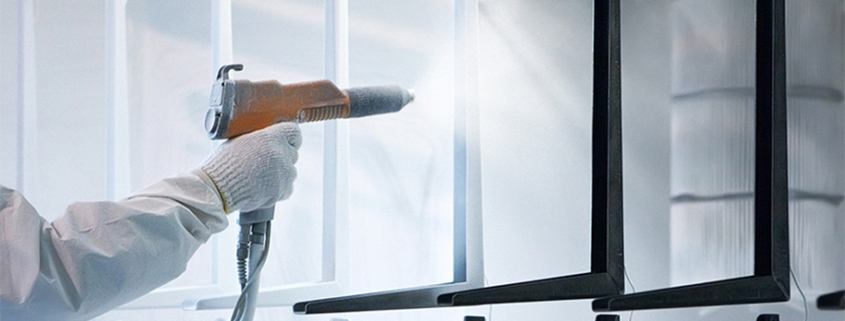
June 24, 2026/by Ipswich Powder Coating
https://www.ipswichpowdercoating.com.au/wp-content/uploads/2026/06/Powder-Coating-Submittals.jpg 1280 1920 Ipswich Powder Coating https://www.ipswichpowdercoating.com.au/wp-content/uploads/2019/03/Ipswich-Powder-Coating-white-web.png Ipswich Powder Coating2026-06-24 17:00:492026-06-02 23:31:01Powder Coating Submittals for Public Projects: Drawings, QA/QC, Closeout
News, Personal

Design-Stage Details That Protect Powder Coat Warranties

Design

Architects working in Queensland need more than a finish that looks right on handover day. Long after practical completion, those aluminium fins, bridge balustrades and school shade structures still have to cope with harsh UV, humidity, and coastal air, without warranty arguments or surprise repairs.

That is why warranty-grade powder coating is really a design issue. The factory line matters, but interface details on the drawings decide if a warranty for powder coating systems in Queensland is even available. Drainage, galvanic isolation, edge prep, weld finishing, fasteners and access all need to be resolved before documentation is locked in and fabrication starts.

To get there, architects need a clear way to assess powder coating across aluminium, galvanised steel and fabricated steel:

  • Confirm the substrate (aluminium, HDG steel, fabricated mild steel) and project class (school, hospital, bridge, transport asset).
  • Map the exposure (inland, coastal, marine, tunnel, fully open bridge).
  • Match a tested, warranty-grade system for that substrate and exposure.
  • Check design details for drainage, isolation, edge prep and access so the chosen system remains eligible for warranty.
  • Lock these requirements into the specification, drawings and shop detail briefs before fabrication.

At Melbourne Grammar, this assessment and system selection process was specification-led from the outset. Aluminium and steel interfaces, pre-treatment, coating build and isolation details were resolved early, so warranty-grade, substrate-specific systems could be applied with confidence.

What Warranty Grade Powder Coating Really Means

Warranty grade is not just a nicer colour card with a longer promise. In a commercial or infrastructure setting, it means a complete system that has been tested, documented and matched to the substrate and exposure.

That usually includes:

  • Substrate-specific pre-treatment  
  • The right primer where needed  
  • A suited architectural or infrastructure powder  
  • Certified applicators and QA records  
  • Design details that avoid traps and corrosion points  

Unpacking the misconception: warranty-grade powder coating is not a standard finish with better marketing. It is a defined combination of surface prep, primers, powder chemistry and application QA that has been proven, often under AS and international test regimes, to meet agreed performance over a stated period. If any of those elements are changed or omitted, you no longer have a warranty-grade system.

Aluminium, hot dip galvanised steel and fabricated mild steel do not get the same recipe. The system changes with whether you are on a school courtyard, a hospital façade, a bridge, or transport assets. Exposure category and project class drive different chemistries, primers and pre-treatments. Those decisions must be made before fabrication is complete, while there is still flexibility to adjust sections, drainage, joints and access. Once parts are fabricated, options are constrained and some warranty systems may no longer be achievable.

At Melbourne Grammar, the coating build, pre-treatment and interface details were specification-led from the start so warranty systems could be applied with confidence, rather than trying to retrofit solutions after shop drawings and fabrication were locked in.

Designing Interfaces That Actually Protect Warranties

The biggest threats to coating warranties often come from the way components are detailed, not from the powder itself.

Drainage and weep design  

If water can sit, it will take the coating with it. For balustrades, posts, frames and bridge hardware, you want:

  • Open sections where possible, not closed traps  
  • Weep holes sized and placed so water can escape  
  • Falls that direct water away from coated joints  
  • Clear lines of sight so high-risk spots can be inspected  

When moisture sits against coated steel or aluminium, corrosion starts under the film and that usually sits outside warranty coverage.

Galvanic isolation at dissimilar metal joints  

Where aluminium meets galvanised or stainless steel, isolation is not optional. Good details include:

  • Non-conductive gaskets between plates  
  • Nylon or isolation washers under screw heads  
  • Sleeves or bushes in contact holes  
  • Spacers so metals do not touch directly  

Many warranties in Queensland rely on these isolation details being built into the construction drawings, not improvised on site with tape or paint after the fact.

Edge radiusing and weld finishing  

Sharp cut edges and rough welds do not let powder build to full thickness. To give the system a fair chance, specifications should:

  • Nominate minimum edge radiusing where practical  
  • Call for grinding of sharp cut edges  
  • Require weld spatter to be removed  
  • Seal stitch welds so they are not open water pathways  

Without this, you can end up with thin coating on edges, pinholes at welds and early rust that falls back on design rather than the powder system.

Selecting Systems for Aluminium, Galvanised and Fabricated Steel

Matching systems to substrate and exposure starts long before steel detailing. Once fabrication is complete, options get limited by the way parts are shaped and assembled, and some warranty options can disappear completely.

Aluminium on commercial projects  

For facades, curtain wall, sunshades, balustrades and school or hospital elements, warranty-grade aluminium systems typically bring together:

  • Proper conversion coating to prepare the surface  
  • A suitable primer where the environment demands it  
  • Super-durable architectural powders matched to the exposure category  

The system for an inland school court is not the same as for coastal transport assets. On aluminium, higher exposure classes may require higher-grade powders and primer layers to support longer colour and film integrity warranties. These decisions should be fixed early so shop drawings allow for drainage, fixings and access that are consistent with the chosen system.

Steel, galvanised steel and bridge hardware  

Hot dip galvanised (HDG) steel and fabricated mild steel behave differently again. Compatible systems over HDG may need surface prep such as sweep blasting and careful duplex coating logic, while blasted mild steel relies on a different pre-treatment stack.

On projects like Birtinya Bridge, galvanised steel posts, frames and balustrades needed system selection and interface detailing to be resolved upfront so the coating could achieve its intended service life. Duplex systems, edge sealing, vent and drain holes through the galvanising and coating process, and on-bridge access for inspection all had to be aligned with the warranty-grade system.

Getting the Practical Details Right Before Tender

Fast-moving handover dates and public scrutiny mean powder coating cannot be treated as a last-minute finish decision. It has to be managed like any other critical system.

Fastener selection and fixings  

Even the best system can be undone by the wrong screw. Specifications should:

  • Nominate compatible fastener materials and coatings for each substrate  
  • Include isolation hardware and caps as part of the design, not provisional items  
  • Detail sealing methods at high-risk joints  

Access for touch-up, inspection and maintenance  

Warranty grade does not mean damage-proof. Components should be detailed so:

  • Inspectors can see underside junctions and hidden connections  
  • There is physical access for safe touch-up at posts and interfaces  
  • Approved touch-up systems from the powder supplier are nominated for minor site repairs  

Packaging, transportation and site delivery  

Long bridge components and engineered parts can suffer damage before they even reach site. Packaging design, support points and direct-to-site delivery planning are all part of achieving a warranty outcome and avoiding surprises at final install. Our experience with engineered parts, including bridge work, shows that when packaging and handling are considered early, there are fewer variations and smoother handovers.

Infrastructure Realities, FAQs and Key Decisions for Architects

On infrastructure projects, the stakes are higher than general commercial work. Bridges, tunnels and public assets face stronger exposure, higher vandalism risk, harder access for maintenance and constant public visibility. Projects like Birtinya Bridge and O’Keefe Street Bridge needed coating systems, drainage and isolation at joints that could stand up to open environments over time.

Legacy Way Tunnel highlighted how schedule management, repeatable QA and careful handling of engineered parts matter as much as the final colour on the wall. In that context, powder coating becomes an infrastructure package: system selection, applicator capability, sequencing, cure verification and delivery logistics all impact whether handover dates are met.

Here are common questions we hear from architects.

Standard vs. Warranty-Grade Powder Coating Differences

Standard coatings are often single-layer, generic systems with limited documentation. Warranty grade systems are substrate-specific, tested combinations of pre-treatment, primers and powders, applied by approved applicators with records to match. They are tied to defined exposure categories and design conditions, rather than generic “good practice”.

Do Aluminium and Steel Need Different Warranty Systems?

Yes. Aluminium, HDG steel and fabricated steel all need different pre-treatments and often different powder chemistries to achieve similar performance. Aluminium architectural systems differ from the duplex and infrastructure systems commonly used on steel and bridge components.

What Does a Colour and Film Integrity Warranty Actually Cover?

Typically, it deals with colour retention, gloss retention, chalking and film adhesion. It usually does not cover mechanical damage, moisture traps created by design, incompatible fixings or poor maintenance. Where conditions are not met, the warranty-grade system reverts to a standard finish in practical terms.

What Should Architects Include in a Powder Coating Specification?

At a minimum:

  • Substrate types and exposure category  
  • Required warranty duration  
  • Pre-treatment method and primers  
  • Powder type and minimum film builds  
  • Approved applicators and QA documentation  
  • Packaging and installation protection requirements  
  • Design details that support drainage, isolation and inspection access  

Powder Coating Systems for Aluminium and Steel in Commercial Projects

Architectural systems for aluminium and infrastructure-grade systems for steel are selected based on whether the project is a school, hospital, transport asset or bridge, and on how aggressive the environment is. The exact system should be confirmed with the powder supplier and applicator, with aluminium and steel systems considered together at interfaces so warranty conditions are consistent.

When Should Warranty Requirements Be Confirmed During Design?

Ideally by Design Development, and certainly before steel detailing and aluminium shop drawings are finalised. Late changes can reduce options for drainage, weeps, isolation and inspection access, which can limit available warranties and create handover risk.

What Makes Infrastructure Powder Coating Different From General Commercial Work?

Durability expectations are higher, environments are tougher, public exposure is greater and access for future work is harder, so system selection and QA need to reflect that. On bridges and tunnels, coating failure becomes a safety, reputation and access problem, not just an aesthetic issue.

Why Does System Selection Matter More on Public Assets and Bridges?

Public infrastructure has long design lives and safety and reputation are on the line if visible corrosion appears. Consistent systems across substrates, correct film builds and experienced applicators become non-negotiable. Bridge posts, balustrades and frames, as seen on Birtinya Bridge and O’Keefe Street Bridge, must carry higher resistance to UV, salt, mechanical impact and vandalism.

How Can Powder Coating Delays Affect Project Handover?

If systems are chosen late or change midstream, batches can be rejected, rework can be required and logistics can get messy. That flows directly into missed handover dates and pressure at final install, especially when long-lead, fabricated bridge components or transport assets are on the critical path.

Architects who treat the coating specification as part of the structure, not just the finish, end up with a reliable warranty asset instead of a risk. Projects like Melbourne Grammar, Birtinya Bridge, O’Keefe Street Bridge and Legacy Way Tunnel show what is possible when specification, detailing and applicator capability all line up from the start.

To see how these principles play out in practice, review IPC’s commercial capability and recent project work across education, health, bridges and transport infrastructure.

Secure Long-Lasting Protection For Your Next Coating Project

If you want confidence that your commercial finish will go the distance in Queensland conditions, we can help you choose the right system and back it with a clear warranty for powder coating systems in Queensland. At Ipswich Powder Coating, we focus on getting the prep, application and curing right so your assets stay looking good and protected for longer. Talk with our team about your timelines, budget and performance needs, and we will recommend a practical solution that fits. To get started or request a quote, simply contact us.

June 17, 2026/by Ipswich Powder Coating
https://www.ipswichpowdercoating.com.au/wp-content/uploads/2026/05/Design.jpg 1280 1920 Ipswich Powder Coating https://www.ipswichpowdercoating.com.au/wp-content/uploads/2019/03/Ipswich-Powder-Coating-white-web.png Ipswich Powder Coating2026-06-17 17:00:402026-05-26 19:28:25Design-Stage Details That Protect Powder Coat Warranties
News, Personal

Inside Infrastructure Powder Coating for Bridges and Tunnels

coating gun

Architects and transport authorities do not just need a finish that looks right on practical completion. They need a powder coating partner who understands specification risk, warranty pathways, substrate differences and programme pressure. On commercial and infrastructure projects, coating systems for aluminium, galvanised steel and fabricated steel must be assessed early, documented clearly and aligned with warranty expectations before fabrication and documentation are locked in.

This article walks through how to think about architectural and transport infrastructure powder coating from the start. It explains what warranty grade really means in a commercial setting, how aluminium and steel differ, why timing matters, what architects must document and how schedule pressure plays into real projects like Melbourne Grammar and Birtinya Bridge.

Why Transport and Commercial Powder Coating Needs Early Attention

Transport and commercial public assets cop a harsh mix of:

  • UV and heat  
  • Moist sea air and humidity  
  • Traffic pollution and tunnel exhaust  
  • Physical impact and public wear

For architects and project managers, powder coating can not be a last-minute finish. Coating decisions at design stage influence:

  • Whole-of-life performance  
  • Warranty options and limits  
  • Long term maintenance budgets  
  • Access needs for future repairs  
  • Specification risk and exposure to variation claims

When finish systems are set late, they often clash with chosen substrates, weld details or galvanising. That is when design intent starts to get compromised so something can be coated quickly, and when warranty pathways can quietly fall over.

At our Yamanto facility, we work as an Interpon approved applicator on schedule-driven bridge, tunnel and commercial projects, coating aluminium and steel in-house so the system, process and program stay aligned.

What Warranty Grade Powder Coating Really Means on Site

In a commercial setting, “warranty grade” is more than picking a premium colour or reading a generic data sheet. In practice it means:

  • Tested powder systems on defined substrates (aluminium, galvanised steel, fabricated steel)  
  • Specific cleaning and pre-treatment steps for each substrate  
  • Controlled minimum and maximum film builds  
  • Documented expectations for colour and film integrity in defined exposure conditions

There is a clear difference between a standard powder coating job and a warranty-grade system with a project-specific warranty pathway.

Standard coating:

  • May follow a data sheet but has no formal warranty pathway  
  • Often mixes products and processes across substrates for convenience  
  • Relies on visual acceptance at completion rather than long-term performance

Warranty-grade coating:

  • Uses nominated systems tested and approved for the actual substrate and exposure  
  • Controls preparation, application and film build, with records and traceability  
  • Ties colour and film integrity performance to defined environmental classifications  
  • Includes agreed maintenance requirements for the asset owner

The warranty pathway brings together:

  • Environmental classification and exposure zones  
  • Substrate type and thickness  
  • Application method and cure  
  • Project class (e.g. façade, public transport asset, bridge structure)  
  • Maintenance obligations and cleaning frequency

Melbourne Grammar: Proof of Specification-LED, Warranty-Grade Coating

At Melbourne Grammar, the coating outcome was driven by specification, not by what was in stock at the end of the job. As an architectural, warranty-grade project, colour, gloss and film integrity expectations were:

  • Locked in early during design development  
  • Matched to Interpon warranty systems for the nominated substrates  
  • Documented so there was a clear line from drawings to applied finish and warranty terms

This is a practical example of specification-led, warranty-grade coating: the system selection was made before fabrication, so aluminium and any steel elements were detailed, pre-treated and coated in a way that protected warranty eligibility and project appearance over time.

Matching Coating Systems to Aluminum and Steel Surfaces

Architectural and infrastructure powder coating must be assessed differently for aluminium, galvanised steel and fabricated (black) steel. System selection changes depending on substrate, exposure and project class.

Aluminium

Architectural aluminium usually has:

  • Stable surface chemistry after cleaning and pre-treatment  
  • Suitability for architectural powder series aimed at long exterior life  
  • Defined pathways for colour and film warranties in various exposure zones  
  • Well-documented performance in façade and balustrade applications

For aluminium on commercial projects, warranty-grade systems typically involve:

  • Approved chromate-free or suitable pre-treatment systems  
  • Architectural-grade powders with proven exterior weathering  
  • Defined film build ranges and cure requirements  
  • Colour and gloss retention expectations aligned with project class and exposure

Galvanised Steel

Hot-dip galvanised steel brings another set of variables:

  • Zinc layer reactivity and surface condition variation  
  • Need for compatible pre-treatments that bond to zinc  
  • Careful management of venting and drainage in hollow sections  
  • Attention to ageing/curing of the galvanised layer before coating

On galvanised steel, especially for bridges and public assets, warranty-grade powder systems may require:

  • Zinc-rich primers or duplex (galvanising + powder) systems  
  • Tailored pre-treatment and surface preparation of the zinc layer  
  • Control of sharp edges, cut faces and welds to avoid early breakdown

Fabricated (Black) Steel

Fabricated steel without galvanising needs:

  • Appropriate blast cleaning and surface profile  
  • Anti-corrosive primer and topcoat combinations suited to the exposure  
  • Careful control of weld spatter, sharp edges and fabrication cleanliness  
  • System selection aligned with the project’s design life and access constraints

For fabricated steel on public or transport assets, system selection must factor in:

  • Whether the project class demands a duplex or multi-coat system  
  • Risk of internal corrosion in hollow sections and inaccessible details  
  • The real cost and disruption of recoating versus up-front system performance

Common Substrate-Linked Risks

Across commercial and infrastructure work, common risk points include:

  • Calling up an aluminium warranty system on galvanised or fabricated steel  
  • Ignoring cut edges, welds and sharp corners during detailing and prep  
  • Assuming a single product will cover all substrates and exposure zones  
  • Finalising systems after fabrication, when bad details can not be easily corrected

Those are the decisions that should be made before fabrication is complete and before specifications and documentation are locked in, so that programme and warranty expectations align.

Why Infrastructure Powder Coating Needs More Than Capabilities

Transport infrastructure powder coating is not the same as a standard façade package or a generic commercial fitout. A broad capability statement does not address the practical issues that drive performance and handover on bridges and tunnels.

Infrastructure projects demand:

  • Higher exposure and harsher environments  
  • Difficult access during and after construction  
  • Public safety and public scrutiny  
  • Much longer design lives and higher consequence of failure  
  • Greater need for documentation, traceability and inspection

What matters is working with a contractor who understands engineered parts and public-facing assets, not just colour charts. That includes:

  • Reading and working to structural shop drawings and tolerances  
  • Protecting mating surfaces, bolted interfaces and tolerance-critical areas  
  • Understanding erection sequences so parts are coated, labelled and packaged to match  
  • Managing batch consistency where components span large public vistas

System Selection on Public Assets and Bridge Components

On bridges, tunnels and other public-facing infrastructure, system selection matters more because:

  • Premature failure is harder and more expensive to fix and may need closures or special access  
  • Visible corrosion on bridges and tunnels has reputational and confidence impacts for owners and designers  
  • Access for recoating is limited by traffic management, safety controls and weather windows  
  • Design lives and authority standards are usually longer than in typical commercial work

System choice must consider:

  • Project class and relevant authority standards  
  • Proximity to coast, waterways or major highways  
  • Tunnel exhaust plumes and pollution build-up  
  • The cost and difficulty of later access and rectification  
  • Alignment with colour and film integrity warranty options

Birtinya Bridge: Galvanised Steel, Warranty and Programme

Birtinya Bridge is a good example of galvanised steel handled in a warranty-aware, schedule-driven way. Galvanised steel posts, frames and balustrades needed:

  • Compatible pre-treatment and powder systems that worked with the zinc  
  • Control of cut edges, welds and detail design so the duplex system performed as intended  
  • Appearance outcomes that matched the architectural intent across long bridge runs  
  • Coating and delivery sequencing that still landed on program

The solution sat at the intersection of coating chemistry, substrate detail and schedule reality. That is the kind of project where a generic capability statement is not enough; experience with engineered components, galvanising behaviour and public exposure is essential.

Locking in Specifications Before Fabrication

Coating choices should be confirmed before fabrication kicks off and before specifications are fully locked in. Early clarity allows for:

  • Suitable steel grades and plate thickness to match coating and design life  
  • Venting and drainage in hollow sections for galvanising and coating  
  • Weld detailing that works with galvanising, blasting and coating  
  • Component sizing that fits curing and handling limits in the coating plant  
  • Proper separation of aluminium, galvanised steel and fabricated steel in schedules

If system selection is left until after fabrication or late in documentation, it often triggers:

  • Rework of shop drawings  
  • Redetailing of joints and connections  
  • Programme pressure as fabrication and coating clash  
  • Higher risk of shortcuts on prep and film build  
  • Reduced or invalidated warranty options

A simple step-by-step flow for architects helps avoid that:

  • Engage an experienced applicator during design development  
  • Confirm all substrate types (aluminium, galvanised steel, fabricated steel) and exposure classifications  
  • Agree on target warranty terms for colour and film integrity by project class and location  
  • Finalise a written powder coating schedule before shop drawings are issued and documentation is locked in

Managing Schedule, Packaging and Direct Site Delivery

On bridges and tunnels, schedule is just as important as specification. Coating windows are tight, access is shared, and rainy periods can interrupt delivery and installation. Infrastructure powder coating needs more than a line stating “powder coat to manufacturer’s recommendations”.

A specialist applicator helps by:

  • Planning batch sizes around installation sequences and critical path items  
  • Controlling cure and quality across staged runs to minimise colour variation  
  • Labelling, bundling and packaging components for direct site delivery in erection order  
  • Protecting mating surfaces and tolerance-critical areas so parts fit on site  
  • Coordinating with transport and crane schedules to avoid rehandling and damage

That level of planning reduces on-site damage, colour variation between batches and delays to opening dates. It also supports warranty integrity by limiting unplanned touch-ups and uncontrolled repairs.

Key Faqs for Commercial and Infrastructure Projects

What Should Architects Include in a Powder Coating Specification?

  • Substrate type, thickness and whether it is aluminium, fabricated steel or galvanised steel  
  • Exposure classification and key micro-environment notes (tunnel exhaust, coastal, industrial)  
  • Nominated powder ranges and colour and gloss levels  
  • Pre-treatment standards, film build ranges and testing requirements  
  • Warranty expectations (colour and film integrity) and maintenance assumptions  
  • Project class and authority requirements relevant to bridges, tunnels or façades

Powder Coating Systems for Aluminium and Steel on Commercial Projects

  • Aluminium generally uses architectural-grade powders with proven exterior weathering and established warranty pathways  
  • Galvanised and fabricated steel often need primers or duplex systems, especially in coastal or industrial conditions  
  • Fabricated steel may require more complex multi-coat systems depending on design life and access  
  • The exact system should be confirmed with both the powder manufacturer and an approved applicator, based on substrate, exposure and project class

When Should Warranty Requirements Be Confirmed During Design?

  • Target warranty periods for colour and film integrity should be set in early design  
  • They need to be documented before tender so pricing, detailing and substrate choice line up with the system  
  • Warranty pathways should be agreed before fabrication is complete, so details like venting, welds and thicknesses support the required system

Standard vs. Warranty-Grade Powder Coating: What’s the Difference?

  • Standard coating may follow a data sheet but has no formal warranty pathway and limited documentation  
  • Warranty-grade systems control preparation, application and film build, link to defined exposure conditions and provide documented colour and film integrity warranties  
  • Warranty-grade work requires alignment between substrate, system selection, detailing and maintenance

Do Aluminium and Steel Need Different Warranty Systems?

  • Yes. Aluminium, galvanised steel and fabricated steel usually require different pre-treatments and sometimes different powder ranges  
  • Warranty systems are tested and approved on specific substrates and thicknesses  
  • A one-system-fits-all approach across curtain wall aluminium and mixed steel or bridge packages is risky and can invalidate warranties

What Does Colour and Film Integrity Warranty Actually Cover?

  • Limits on colour change, chalking, gloss loss and film cracking or loss of adhesion over time in defined exposure conditions  
  • Often, specific minimum film builds and maintenance regimes are required to keep the warranty valid  
  • It usually excludes mechanical damage, harsh chemicals and unapproved repairs, so maintenance manuals and cleaning regimes must match the warranty terms

What Makes Infrastructure Powder Coating Different From General Commercial Work?

  • Harsher exposure, more complex shapes, longer design lives and higher public safety needs  
  • Government and transport authority work often expects more inspection, documentation and traceability  
  • Access for recoating is limited, so first-time system selection is more critical  
  • Engineered components and public-facing assets demand tight coordination between design, fabrication and coating

Why System Selection Matters on Public Assets and Bridges

  • Premature failure is harder and more expensive to fix, and may need closures, diversions or special access gear  
  • Visible corrosion on bridges and tunnels has reputational and confidence impacts for owners and designers  
  • Bridge and tunnel elements often sit in higher-risk exposure zones (e.g. splash, exhaust, de-icing environments)  
  • System choice directly affects achievable warranty terms and long-term maintenance budgets

How Can Powder Coating Delays Affect Project Handover?

  • Late coating can stall installation of balustrades, noise walls, gantries and tunnel fit out  
  • That pushes back commissioning milestones and handover, with flow-on effects to other trades and authorities  
  • Inadequate planning of coating capacity and packaging can cause rework, damage and resequencing on site  
  • Working with an applicator that has real in-house capacity, process control and direct site delivery planning is a key risk reducer

When architects and project teams understand how architectural and transport infrastructure powder coating ties into substrate choice, specification detail, warranty pathways and schedule management, bridges, tunnels and premium commercial assets stand a much better chance of looking good and performing well for the long term.

To see how this works in practice, review Ipswich Powder Coating’s commercial capability and project work, including specification-led, warranty-grade systems on projects like Melbourne Grammar and Birtinya Bridge.

Get Started With Your Project Today

If your next project involves bridges, rail, ports or road assets, our team at Ipswich Powder Coating is ready to help you specify the right transport infrastructure powder coating solution. We work with builders, fabricators and asset owners to deliver durable finishes that stand up to tough Australian conditions. Talk to us about your timelines, design requirements and compliance needs so we can tailor an approach that fits. To discuss your project or request a quote, simply contact us.

June 10, 2026/by Ipswich Powder Coating
https://www.ipswichpowdercoating.com.au/wp-content/uploads/2022/06/coating-gun1-.jpg 450 915 Ipswich Powder Coating https://www.ipswichpowdercoating.com.au/wp-content/uploads/2019/03/Ipswich-Powder-Coating-white-web.png Ipswich Powder Coating2026-06-10 17:00:532026-05-24 23:03:19Inside Infrastructure Powder Coating for Bridges and Tunnels
News, Personal

How Warranty-Grade Powder Coating Is Tested: AAMA, Qualicoat, GSB

Powder Coating

Architects putting powder coating into a spec are really managing risk. The coating has to look right, match the design intent, and keep performing when the project is out in the sun, salt, and humidity year after year. Warranty-grade powder coating is how you line those expectations up with tested systems, real standards and clear responsibilities. That is why architects need a powder coating partner who understands specification risk, warranty pathways, substrate differences and programme pressure, not just a finisher who can make the job look good on practical completion.

This is especially true on Queensland and coastal work heading into the mid-year period, when UV is still harsh, airborne salt sits on surfaces and humidity hangs around. On bridges, tunnels, schools and public assets, a nice finish at handover is not enough. You need coatings that are proven against standards like AAMA, Qualicoat and GSB, backed by a warranty that can actually be supported on site.

What Warranty Grade Really Means on Site

Warranty-grade powder coating is not just a standard finish with a better sales pitch. It is a complete, tested system that links:

  • A specified powder and pretreatment  
  • An approved applicator  
  • A defined set of standards, like AAMA, Qualicoat or GSB  
  • Project documentation that ties it all together  

Compared with a basic commercial finish, warranty-grade systems are assessed for:

  • Colour retention and gloss over time  
  • Chalking and fading  
  • Adhesion to the substrate  
  • Corrosion resistance, including edges and fixings  

The warranty only holds when the right powder, the right pretreatment, the right substrate and the right applicator all match what is written in the spec. If one of those moves, the warranty pathway can fall over, even if the job looks fine on day one.

How AAMA, Qualicoat and GSB Prove Performance

In the background, AAMA, Qualicoat and GSB use lab testing so that performance claims mean something you can design around. Typical tests include:

  • Salt spray and cyclic corrosion testing to see how long before blistering or rust appears  
  • Humidity and condensation chambers that keep surfaces wet for long periods  
  • UV and QUV weathering to measure colour change and chalking  
  • Impact and abrasion testing for handling and installation damage  

From these tests you get hard limits, like:

  • Maximum colour change after a set exposure time  
  • How much edge creep is allowed from a scribe or cut  
  • When blistering, flaking or corrosion is considered a failure  

Certification reports normally show the standard tested, exposure time, conditions and whether the system passed the required limits. When you review them during design, you can check the powder type, substrate and test method match your project. This is when it pays to ask your powder coating partner to walk you through the data so the spec is matched to real-world performance, not guesses.

How to Assess Architectural Powder Coating on Metal Types

Architectural powder coating should be assessed differently on aluminium, galvanised steel and fabricated steel, because each substrate behaves differently under a coating and sits in different exposure and project-class contexts.

For aluminium on architectural work like facades, fins and sunshades, assessment focuses on:

  • Correct pretreatment for aluminium (e.g. chromate-free conversion or equivalent)  
  • Architectural-grade powders that align with AAMA, Qualicoat or GSB  
  • Colour and gloss stability in high UV environments  
  • Film thickness and edge coverage on profiled sections and fins  

For mild or fabricated steel in commercial and infrastructure settings, assessment shifts towards:

  • Welds, cut edges and sharp corners that are prone to underfilm corrosion  
  • Higher risk of corrosion at joints, fixings and concealed details  
  • The need for primers or duplex systems in marine, industrial or fully exposed locations  
  • Coating flexibility and impact resistance for handling and installation  

Galvanised steel, such as posts and bridge frames, is assessed for:

  • Surface chemistry and how long since galvanising (ageing and zinc patina formation)  
  • Compatibility between the galvanising process and the chosen powder coating pretreatment  
  • Risks of zinc outgassing and pinholing during curing  
  • Detailing at edges, vent holes and connections to avoid uncoated or thin-film areas  

A project like Birtinya Bridge, with galvanised posts, frames and balustrades, shows how system choice, pretreatment and detailing all need to be considered together. The coating system must be selected around the exposure class, expected service life and the fact that bridge balustrades and posts are highly visible public assets with limited access for rework.

Why System Selection Changes by Substrate, Exposure, and Class

System selection is never one-size-fits-all. It changes because:

  • Substrate: Aluminium, galvanised steel and fabricated steel all have different corrosion behaviours, surface chemistries and mechanical details. Each needs specific pretreatments and, in many cases, different primer and topcoat systems to achieve a warranty-grade outcome.
  • Exposure: Inland, coastal, industrial and tunnel environments load coatings in very different ways. Coastal and marine exposures accelerate corrosion and UV degradation. Tunnels add pollution, exhaust and cleaning regimes. Elevated bridge components face wind-driven rain and salt. The chosen system needs to be tested and rated for the relevant exposure category.
  • Project class: Infrastructure jobs (bridges, tunnels, public transport assets) are more unforgiving than standard commercial work. They demand longer performance, higher visibility, more stringent safety and durability expectations, and often more complex access. Project class influences how conservative you need to be in system selection and warranty duration.

Because of these variables, the decision on system selection needs to be made before fabrication is complete. Welding after coating, incompatible galvanising, last-minute substrate substitutions or mixed assemblies that were never allowed for in the spec can make the system unwarrantable, no matter how good the powder itself is.

Designing Specs That Actually Deliver a Warranty

For powder coating for architects, the spec is where you control risk. At a minimum, it should define:

  • Substrate types and thicknesses across aluminium, galvanised steel and fabricated steel  
  • Exposure category, including coastal, industrial or tunnel influence  
  • The required standard, such as AAMA, Qualicoat or GSB  
  • System build, pretreatment, primer (if required) and topcoat  
  • Colour range, gloss level and film thickness  
  • Warranty duration and approved applicator requirements  
  • Testing or inspection on site, like adhesion and DFT checks  

All of this needs to be confirmed before documentation is locked in. During concept and design development, the team should align on substrates, exposure classification, project class and required warranty term. By the time fabrication drawings and tender documentation are issued, the powder coating system, approved applicator requirements and warranty pathway should already be defined.

Melbourne Grammar is a strong example of specification-led, warranty-grade coating. The documentation, substrate selection, powder system and application method were aligned early, so the coating pathway matched the design intent and warranty expectations from the start. That sort of clarity stops value engineering at tender from swapping to non-compliant systems that cannot support the same warranty. Melbourne Grammar shows how warranty-grade powder coating in a commercial setting is defined by system testing, documentation and responsibilities, not just an upgraded finish.

Infrastructure Jobs Are Unforgiving

Infrastructure jobs are unforgiving: finishes need to perform, handover dates move fast, and installation teams do not want surprises at the final step. Rework is harder, access is restricted and defects are public.

On infrastructure, coating performance is inseparable from programme management. Bridges and tunnels run on tight critical paths, with hard handover dates and limited access for rectification. Coating delays or failures on balustrades, handrails, cladding or tunnel components can push inspections, commissioning and practical completion.

Birtinya Bridge, O’Keefe Street Bridge and Legacy Way Tunnel all show how coating system selection, schedule planning, packaging for direct site delivery and coordination with fabrication are tied together. Coated components have to arrive cured, inspected and ready at the exact moment installers need them. Packaging must protect edges and faces, work with lifting and handling plans, and keep identification clear for staged installation.

The value in this context comes from dealing with a contractor who understands engineered parts and public-facing assets: complex weldments, bolted connections, bridge balustrades, tunnel linings and school elements that must look right and last, with no surprises during installation or operation.

FAQs for Specification-led, Warranty-grade Coatings

What should architects include in a powder coating specification?  

Include substrate types and thicknesses, exposure category, required standards, system build (pretreatment, primer and topcoat), colour and gloss, film thickness, inspection requirements, warranty term and the need for approved applicators. Make sure aluminium, galvanised steel and fabricated steel are called up separately where they exist on the project.

Which powder coating systems suit aluminium and steel on commercial projects?  

Architectural aluminium often uses different pretreatments and powder systems than mild or galvanised steel. Aluminium facades and fins typically use architectural-grade, standards-aligned powders over aluminium pretreatment. Structural and bridge steelwork may need primers, duplex systems or higher-grade powders, particularly in marine or high UV areas. Galvanised steel usually requires carefully matched pretreatment and topcoat systems to manage adhesion and outgassing.

When should warranty requirements be confirmed during design?  

Lock them in early, during concept and design development, before fabrication drawings and tender. This lets the team choose substrates, detailing and budgets that actually line up with the warranty pathway, and avoids late changes that undermine the intended system.

What is the difference between standard and warranty grade powder coating?  

Standard finishes are often off-the-shelf systems without defined long-term performance or clear responsibilities. Warranty-grade systems are fully tested, documented, and applied by approved applicators, with defined standards, exposure ratings, inspection regimes and warranty terms that can be supported on site.

Do aluminium and steel need different warranty systems?  

Yes. They need substrate-specific pretreatments and coating systems. Aluminium, mild steel and galvanised steel each follow different corrosion and adhesion pathways, so warranty-grade solutions for each substrate will specify distinct pretreatments, primers and topcoats. Mixed-material projects need even closer coordination to keep the warranty valid across all components.

What does colour and film integrity warranty actually cover?  

It usually covers colour change, gloss retention, chalking and film adhesion for a set period, assuming correct maintenance and appropriate exposure. It typically does not cover mechanical damage, design issues, unapproved cleaning methods or conditions outside the stated exposure class.

What makes infrastructure powder coating different from general commercial work?  

Infrastructure is more exposed, harder to access, runs on tight critical paths and is expected to perform for longer. Rework is harder, more disruptive and more visible to the public. Coating choices must account for these realities, not just aesthetics at practical completion.

Why does system selection matter more on public assets and bridge components?  

Balustrades, handrails and tunnel components sit in full view and are hard to repair once live. Failures affect appearance, can impact safety perceptions and are expensive to fix. The right system reduces corrosion risk, maintains appearance and minimises disruptive maintenance over the life of the asset.

How can powder coating delays affect project handover?  

Late coating, rectification or rework on key items like balustrades, screens or bridge components can push inspections, commissioning and practical completion, because those elements are often on the critical path and needed to achieve compliance and safety sign-off.

As a Queensland-based Interpon-approved applicator, IPC works with engineered parts and public-facing assets every day, from schools like Melbourne Grammar through to bridges and tunnels such as Birtinya Bridge, O’Keefe Street Bridge and Legacy Way Tunnel. When powder coating is planned as a specification-led, warranty-grade system, it protects both the project and the design intent, instead of becoming a last-minute risk at the end of the programme.

If you are reviewing coating options for an upcoming commercial or infrastructure project, now is the time to review IPC’s commercial capability and project work. Use real project experience and tested systems to lock in a warranty-grade, specification-led pathway before documentation is finalised and fabrication is underway.

Get Started With Your Project Today

If you are planning a new façade, refurbishment or feature detail, our team at Ipswich Powder Coating can support you with expert powder coating for architects tailored to commercial specifications. We work closely with you to achieve the finish, durability and compliance your project demands. To discuss colours, lead times or technical requirements, simply contact us and we will help you move from concept to completed coating with confidence.

June 3, 2026/by Ipswich Powder Coating
https://www.ipswichpowdercoating.com.au/wp-content/uploads/2026/05/Powder-Coating.jpg 1281 1920 Ipswich Powder Coating https://www.ipswichpowdercoating.com.au/wp-content/uploads/2019/03/Ipswich-Powder-Coating-white-web.png Ipswich Powder Coating2026-06-03 17:00:292026-05-19 23:32:25How Warranty-Grade Powder Coating Is Tested: AAMA, Qualicoat, GSB

Archive

  • September 2026
  • August 2026
  • July 2026
  • June 2026
  • May 2026
  • April 2026

Categories

  • News
  • Personal

Facebook

Instagram

Follow Me!

  • 88-92 Berry Street
    Yamanto QLD 4305

  • 07 3281 5766

  • sales@ipswichpowdercoating.com.au

Quick Links

Commercial
Industrial
Trade
Colours
Resources

About IPC

Home
Who We Work With
What We Do
Contact Us
Find Us

© 2026 Copyright - Ipswich Powder Coating | Website By: YDS
  • Link to Mail
Scroll to top Scroll to top Scroll to top