

Queensland Powder Coating Spec Guide: Powder vs. HDG + Paint vs. Thermal Spray
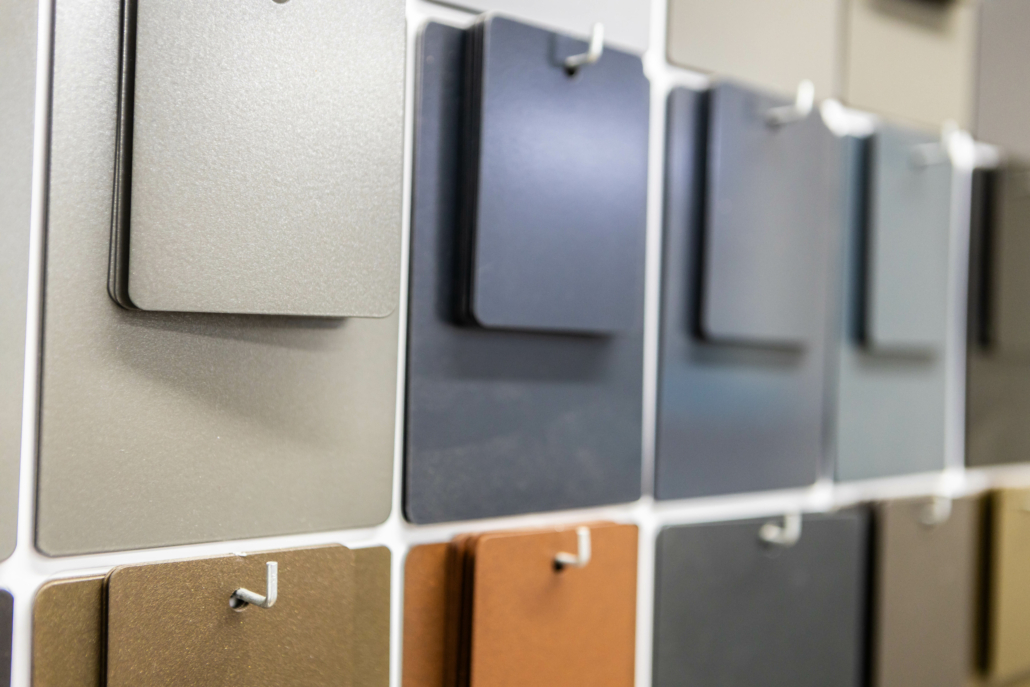
Queensland engineers deal with harsh conditions every day. Strong UV, high humidity, marine salts and cyclones all push coatings to their limits. With these risks in play, choosing the wrong system creates ongoing durability, maintenance and liability problems.
Today we will outline a simple decision framework to help you choose between architectural powder coating, hot-dip galvanising with paint and thermal spray metal coatings. We focus on how environment class, substrate, constructability and maintenance all link together. Covering these details will allow you to back up your drawings, meet durability expectations and reduce the odds of early coating failure.
How Engineers Can De-Risk Queensland Coatings
For structural, civil, facade and building services engineers, coatings are often signed off late in the job, but they carry long-term risk. Poor choices show up as early chalking, corrosion at welds, peeling at edges and ongoing maintenance headaches.
We find the risk tends to cluster around a few things:
- Underestimating how aggressive the environment really is
- Treating powder, HDG plus paint and thermal spray as interchangeable
- Missing the constructability and access traps that affect future touch-up
A simple way to de-risk is to treat the coating as a system decision from day one. That means linking your specification to standards, the real environment and how the asset will be built, cleaned and maintained in Queensland conditions.
Environment Classes Drive the Coating Choice
Environment class should be your first filter. Australian standards like AS/NZS 2312 and durability provisions in the NCC provide useful language for this, with categories from benign inland air through to severe coastal and splash zones.
Typical broad exposure bands include:
- Inland rural and low-pollution suburban
- Light industrial and urban
- Urban marine or within a few kilometres of the coast
- Severe coastal, surf, splash, tidal or immersed zones
Remember to account for micro-climates. A C3 site on paper can behave more like C4 in:
- Pool enclosures with warm chlorinated air
- Plant rooms with damp, chemical carry-over or exhaust
- Shaded soffits that stay wet after rain
- Splash zones near traffic, irrigation or washdown areas
As a quick snapshot for powder coating for engineers:
- Architectural powder coating usually suits C2 to C3, and controlled C4 if detailing and maintenance are good
- HDG plus paint is often preferred for C4 to C5, immersion and buried steel
- Thermal spray metal coatings come into their own in C5, tidal and splash, high-temperature or high-wear zones
Once you know both the site class and the micro-climate, you can start ruling options in and out.
Matching Coating Systems to Substrate and Detailing
Next, match the coating to what the steel or aluminium is actually doing. Typical substrates on Queensland projects include:
- Extruded aluminium framing for windows, doors and facades
- Fabricated mild steel, RHS and SHS in structures and support frames
- Hot rolled sections, balustrades, louvres and screens
- Bridges and exposed infrastructure elements
For aluminium, architectural powder coating is the usual choice. Some key points engineers should keep in mind are:
- Proper pre-treatment is critical for adhesion and corrosion resistance
- Different powder classes exist for standard and higher durability work
- Film thickness and colour selection affect long-term chalking and fade
- Constantly wet or immersed locations for aluminium are a poor fit for standard powder systems
On steel, you have more choices. Direct-to-steel powder coating can suit some interior or lower exposure work, but in harsher environments engineers often step up to:
- HDG plus a paint or powder topcoat for added durability and colour control
- Thermal spray zinc or aluminium with a sealer or topcoat where edge, weld and cut-face protection are critical
Detailing has a big impact on all three systems, so remember to:
- Provide vent and drain holes for galvanising and thermal spray
- Radius sharp edges so coatings do not thin at corners
- Keep welds smooth and continuous rather than porous or stitched
- Avoid crevices and overlapping plates that can trap salts and stay wet
A well-detailed substrate helps the coating system perform to its rated design life.
Constructability, Program and Access Considerations
Coating choice also affects program and buildability. Factory powder coating, HDG and thermal spray each have different strengths.
Offsite factory powder coating gives a controlled finish but needs planning:
- Components must fit booth sizes and handling limits
- You want modular design where parts can be coated before assembly
- There is some risk of on-site damage during crowded construction phases
Large built-up steelwork or complex weldments can be awkward for batch powder coating. In those cases, engineers may lean toward:
- HDG plus paint, where entire assemblies can be dipped, then topcoated
- On-site thermal spray systems for fixed or heavy elements that are hard to move
Interface choices are also in your hands:
- Bolted versus welded splices affect what can be coated in the factory
- Concealed fixings look tidy but can be hard to access for future repair
- Allowance for touch-up at connection points helps close the loop between shop and site
When you sketch connections and section lengths, it helps to think about how the coating will be applied, protected during erection and eventually repaired.
Maintenance, Warranties and Whole-of-Life Thinking
Every coating system comes with a maintenance commitment. It’s important the owner understands what that is early in the process.
For powder coating, life in Queensland depends a lot on:
- Regular wash-down to remove salts, dirt and pollutants
- Distance from the coast and exposure to wind-driven sea spray
- Orientation, shading and how long surfaces stay wet after rain
HDG plus paint usually involves planned recoating intervals. That means the owner needs:
- Safe access for abrasive prep and repainting where required
- Clear zones around members so lifts and platforms can get in
- Records of original coating systems so future work matches correctly
Thermal spray systems may run longer between major interventions, but they need good upfront preparation and application control.
For warranty-grade finishes, suppliers and applicators want to see:
- A documented specification that matches the environment
- Approved powders and systems suited to the exposure class
- Correct pre-treatment and application records for quality assurance
That paperwork supports your design documentation and helps reduce disputes if there is a problem years down the track.
A Simple Decision Path for Your Next Job
Taken together, these decisions form a working approach to powder coating for engineers that you can apply to related systems as well. A simple path looks like this:
- Define the environment class and check for aggressive micro-climates
- Confirm substrate type and detail quality, including drainage and edges
- Assess access, assembly size and how modular the design can be
- Match the coating system to required design life and realistic maintenance
From there, it helps to workshop your draft specification with a specialist applicator like Ipswich Powder Coating early in the design phase. As an accredited applicator running one of the largest batch operations in Queensland, we can work through powder selection, blasting and pre-treatment requirements and the conditions attached to a 10 to 30 year warranty before the spec is locked.
Get Started With Your Project Today
If you are looking for reliable powder coating for engineers, Ipswich Powder Coating can help you match the right finish to the performance and compliance requirements of your project. Share your project details and we will provide practical advice on coating systems, colour selection and durability. Contact our team to discuss lead times, pricing or technical requirements.

