

How Hospital-Grade Powder Coating Specs Handle Cleaning Chemicals
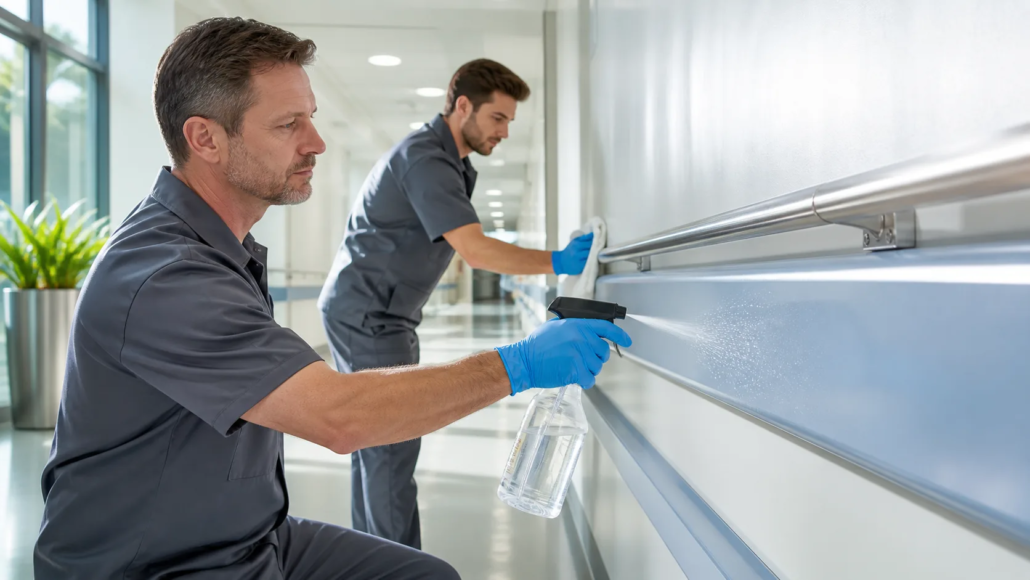
Keep High-Touch Hospital Assets Cleaner and Protected
Hospitals, clinics, aged-care facilities and health precincts need more from coated metal than a good-looking colour. Handrails, bed frames, lockers, security screens, doors, trolleys and service enclosures can face repeated disinfecting, scuffing and moisture every day.
Hospital-grade powder coating is a performance-led specification that looks at the substrate, coating system, cleaning routine, environmental exposure and maintenance needs together. When these details line up, coated assets can hold their film integrity and appearance for longer, helping reduce early repainting, disruption and replacement.
As Queensland moves towards hotter, more humid summer conditions, we recommend reviewing condensation-prone areas, cleaning protocols and maintenance plans before extra heat, moisture and frequent cleaning put more pressure on finishes.
Map the Real Chemical Exposure Before Specifying a Finish
A suitable hospital-grade powder coating specification begins with the products actually used on site. “Hospital disinfectant” is too broad to guide a finish choice. We encourage project teams to review safety data sheets and cleaning instructions for disinfectants, detergents, sanitisers, degreasers and spot-cleaning products.
Small differences can matter. A neutral cleaner used daily may present a very different exposure from an alkaline degreaser used occasionally in a plant room or food-service space. We look at factors such as:
- pH level, concentration and dilution rate
- Contact time and cleaning frequency
- Application method and water temperature
- Abrasive pads, brushes or mechanical scrubbing
Strongly acidic or caustic products can create risks for coating systems and warranty conditions. Dulux warranty guidance specifies cleaning and environmental conditions within a pH range of 5 to 9. That makes chemical compatibility checks part of the specification, not an afterthought.
Zoning the project also helps avoid a one-size-fits-all finish. Public waiting rooms, patient spaces, laboratories, kitchens, plant rooms and exterior entries can each have different chemical exposure, moisture levels and cleaning demands. By assessing these areas separately, we can help you make a more informed finish selection.
Build a Coating Specification That Performs
A well-written powder coating specification sets clear expectations before fabrication and finishing begin. It should cover the metal substrate, pre-treatment, powder system, film thickness, colour, gloss, curing requirements, inspection standards and documented maintenance instructions.
Finish choice should balance appearance with day-to-day cleaning. Smooth coatings can be easier to wipe in high-touch spaces, while textured finishes may help hide minor marks in trade or service areas. The right answer depends on how visible the item is, how it is cleaned and what it needs to do.
Chemical resistance should not be confused with general durability. A finish may resist scratching, weathering or UV exposure well, yet still need separate confirmation for a particular disinfectant or degreaser. Where chemical exposure is unusual or demanding, we recommend seeking technical advice and considering sample-panel or product testing with the proposed cleaners.
A practical specification checklist includes:
- Confirm the cleaners and cleaning methods
- Nominate exposure zones across the facility
- Select the powder system and substrate preparation
- Define acceptance standards and maintenance timing
This gives builders, fabricators, facility managers and architects a clearer basis for selecting a finish that suits the real operating conditions.
Design and Prepare Steel and Aluminium for Long Service
Even a premium powder system can break down early if the fabricated item creates places for water or chemical residue to sit. Narrow crevices, sharp edges, unsealed hollow sections, water traps and hard-to-clean joints can all increase the chance of corrosion and coating failure.
For eligible Dulux Steel Shield warranty specifications, mild steel preparation can include washing, degreasing, edge grinding and abrasive blast cleaning to SA 2.5 standard. Correct preparation is not optional when a warranty-grade outcome is required. Good coating performance starts well before powder reaches the metal.
Steel and aluminium also need different assessments. Dulux Steel Shield applies only to specific steel substrates, namely mild, bright, semi-bright, black or blue steel. It does not cover other steel types, including galvanised coated steel. Architectural aluminium may instead require an appropriate Dulux Alumi Shield system and a project-specific environmental assessment.
Early coordination gives us the chance to consider coating access, drainage, sealing, edge treatment and practical maintenance before fabrication is complete. Addressing these details early can prevent redesigns later and may help avoid situations where warranty eligibility is unavailable.
Confirm Warranty Conditions and Ongoing Maintenance
A warranty should support a well-planned specification, not replace one. Eligibility can depend on the substrate, environment, selected powder, preparation standard, applicator approval and ongoing maintenance requirements.
For eligible steel work, Dulux Steel Shield includes corrosion and colour warranty components. Warranty periods vary by product and project conditions. The system must be applied by a Dulux Accredited Powder Coater to the relevant specification, while the design must avoid known risks such as sharp edges and unsealed sections. Regular care and maintenance are also required.
Dulux Alumi Shield is intended for eligible architectural aluminium projects. It can provide colour and film-integrity protection where the project type and environment have been correctly assessed. Conditions include application by a Dulux Accredited Powder Coater, pH conditions between 5 and 9, recorded maintenance and no immersion in liquids.
Interpon D2525 may suit selected exterior architectural applications where weathering, abrasion and UV performance are priorities. Applied by an Interpon D Approved Applicator, it can carry a Gold Global Warranty with film-integrity and colour components. However, that should not be treated as automatic cover for cleaning-chemical resistance.
Before relying on warranty coverage, we recommend obtaining written, project-specific confirmation from the coating manufacturer and applicator.
Set a Defensible Specification Before Summer Cleaning Peaks
Cleaning-chemical resistance starts with a complete specification, not a last-minute colour choice. The cleaner, substrate, design details, preparation process, environmental conditions and warranty requirements all need to work together.
Before humid summer weather increases cleaning and moisture demands, we encourage you to review high-touch assets for early wear, changed cleaning products and upcoming refurbishment needs. A clear record of chemical exposure and maintenance practices gives your project team a sounder basis for choosing and caring for the finish.
Specify a Finish That Supports Ongoing Care
For project-specific guidance, see our hospital-grade powder coating work for Roma Hospital. Ipswich Powder Coating can help assess substrate preparation, finish selection and documented maintenance requirements for healthcare assets. To discuss your specification or refurbishment scope, contact us and our team will provide practical advice for your project.

