

Architectural Powder Coating in Queensland: Guide for Architects
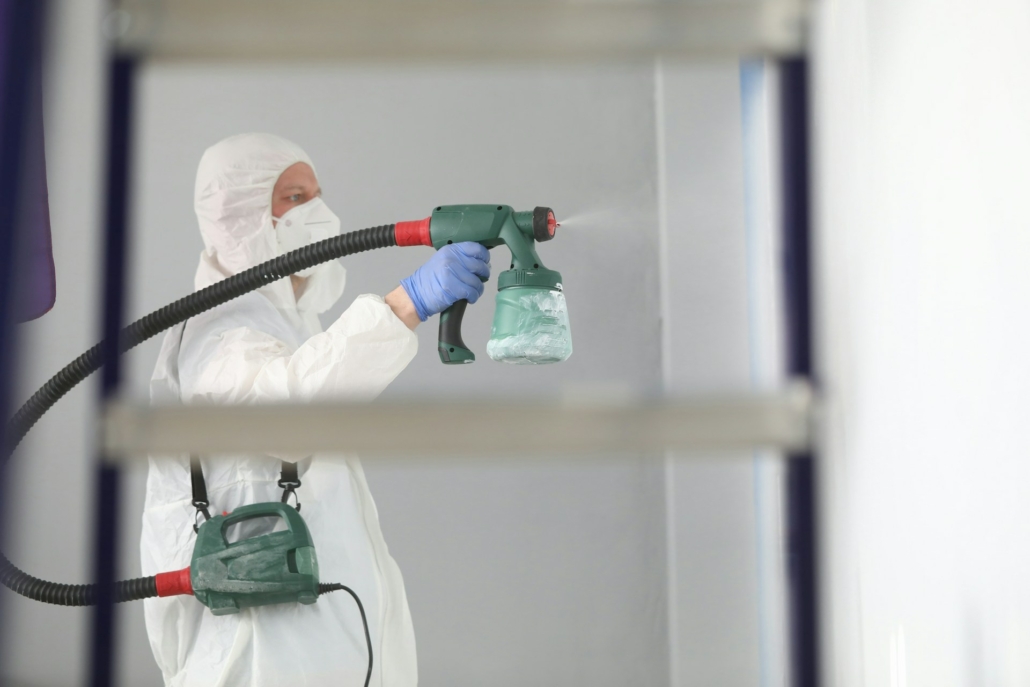
Architectural Powder Coating Queensland Guide for Architects
Architectural powder coating in Queensland sits in a high‑risk, high‑visibility part of the package. Façades, bridges, balustrades and screening all live in full sun, heavy rain, humidity and, in many cases, marine air. When coating decisions are pushed late or treated as a generic note on a drawing, architects can inherit long‑term warranty and performance problems that are hard to unwind.
In Queensland, aesthetics at practical completion are only the starting point. What really matters is how the system performs across aluminium, galvanised steel and fabricated steel over 10 to 25 years or more. In this guide, we look at what needs to be locked in for architectural powder coating in Queensland, why substrates matter, and how early specification decisions protect design intent, budgets and warranties.
Why Powder Coating Decisions Matter in Queensland
Queensland’s combination of high UV, heat, summer storms and coastal salinity amplifies any weakness in the coating system or its pretreatment. A frame that looks perfect at handover can start chalking, peeling or corroding quickly if the wrong system is paired with the wrong substrate or exposure category.
Architects are often balancing:
- High client expectations around colour, gloss and longevity
- Tight programs and long procurement chains
- Risk exposure if warranties do not match what was implied in the documentation
Because of this, architectural powder coating in Queensland should not be left to shop drawings or a generic “powder coat to manufacturer’s recommendations” note. The specification needs to:
- Address aluminium, galvanised steel and fabricated steel separately
- Nominate performance levels and warranty pathways
- Reflect the project’s actual exposure conditions
At Ipswich Powder Coating, we work from a specification‑led position. On projects like Melbourne Grammar and Birtinya Bridge, early collaboration on systems, substrates and documentation allowed the design team to carry a clear, defensible position through procurement and construction.
Understanding Aluminium, Galvanised Steel and Fabricated Steel
Different substrates behave very differently under powder coating, especially in Queensland conditions.
Aluminium is common in curtain wall, window suites, louvres and balustrades. Its performance is highly dependent on:
- Alloy selection and fabrication methods
- Surface preparation and pretreatment quality
- Consistent film build on edges and recesses
If pretreatment is poor or the alloy is not suited to the exposure, corrosion and filiform attack can appear at cut edges or under the coating.
Galvanised steel is widely used for bridges, structural frames, posts and public infrastructure. The zinc layer can outgas during curing, creating pinholing and a rough surface if not managed. Surface prep is critical to achieve adhesion and avoid delamination where the zinc is very glossy or irregular.
Fabricated steel, especially with complex welds, sharp edges and stiffeners, presents its own challenges. Without careful detailing and coating build on edges, these areas can be the first points of rust creep, particularly in coastal air and areas that hold water.
In Queensland’s UV, heat, humidity and salt, these substrate sensitivities are magnified. A sound architectural powder coating Queensland specification should never treat them as a single, one‑size‑fits‑all item. Each needs its own system, pretreatment and detailing notes.
What Architects Must Lock Into the Powder Coating Specification
To protect both the project and your professional risk profile, certain elements should be explicit in the specification rather than left to interpretation.
At a minimum, consider locking in:
- Performance level: whether a warranty‑grade architectural system is required or a standard system is acceptable, and the relevant standards to be met
- Pretreatment: requirements for aluminium, galvanised steel and fabricated steel, including any need for accredited or approved applicators
- Film build and appearance: minimum and maximum film thickness, colour, gloss level and texture, aligned with façade and detailing requirements
- Durability: UV and corrosion resistance appropriate to the project’s exposure category, especially where coastal or near‑coastal conditions apply
It is also important to name the warranty‑grade system, not just a generic colour or brand range, and to confirm the actual warranty pathway with the powder manufacturer and applicator before documentation is issued.
In addition, many architects now nominate:
- Approved applicators with demonstrated experience on similar project types
- Required documentation such as pretreatment test certificates and QA records
- Inspection or hold points that allow the design team to confirm compliance before large runs are completed
These details make it much easier to keep the design intent intact once value‑management and procurement pressures arrive.
Matching Powder Coating Systems to Aluminium and Steel
One of the most common questions we hear is which powder coating systems suit aluminium versus steel on commercial and infrastructure projects.
For aluminium, especially on curtain wall, windows, louvres and architectural screens, architects often look to higher performing architectural powders for:
- Better long‑term colour retention under high UV
- Improved gloss retention on feature façades and dark colours
- Greater resistance to chalking and erosion from wind‑driven rain
In Queensland, where façades can be sun‑exposed for most of the day, these higher performing systems are frequently the only realistic way to achieve longer warranty terms with dark or saturated colours.
For galvanised and fabricated steel, such as bridges, balustrades, canopies and exposed frames, the focus shifts to:
- Compatible pretreatments that work with zinc coatings and welded details
- Over‑galv strategies that allow for venting, cleaning and coating without trapping contaminants
- Adequate film build on edges, corners and welds, which are common failure points
Birtinya Bridge is a strong example of this thinking in practice. Its galvanised steel posts, frames and balustrades sit in a demanding, near‑coastal environment. The project required careful surface preparation, appropriate powder systems and detailing that kept water from sitting on junctions and edges. Without that level of attention, early coating breakdown would be a real risk.
The right architectural powder coating in Queensland is always a balance of appearance, durability and constructability, tuned to each substrate and each exposure zone.
Managing Warranty Risk, Program Pressure and Procurement
Warranty expectations should be clarified early in schematic design or design development, not during post‑tender value‑management. This is when colours, powder types, exposure categories and budgets can be aligned without major redesign.
If expectations are misaligned, for example wanting a 20‑plus‑year warranty on a standard system in a coastal zone, several issues can follow:
- Late changes to colours or gloss levels
- Unexpected cost uplifts to reach the required system performance
- Confusion between client, builder and subcontractors about what was promised
Early engagement with a specialist applicator helps resolve these gaps before they become RFIs or variations.
Program reality is another pressure point. Powder coating lead times can be influenced by:
- Colour availability, especially for custom or less common colours
- The size and complexity of aluminium and steel packages
- Sequencing of coating around fabrication, other trades and site installation
A clear, early specification with a defined warranty pathway and nominated applicators reduces the risk of rework, site repairs or last‑minute substitutions that undermine performance.
Specification‑Led Results: Melbourne Grammar and Birtinya Bridge
Melbourne Grammar is a strong example of a warranty‑grade, specification‑led result. The design team engaged early to confirm the right powder coating system for the exposure, substrate mix and aesthetic goals. Warranty documentation and system details were locked in before drawings went to market, which meant:
- The builder priced a clearly defined powder scope
- The client’s expectations around durability and appearance were aligned with the actual system
- The architect had documented support for the long‑term performance position taken
Birtinya Bridge illustrates the same principle in a very different context. With galvanised steel posts, frames and balustrades exposed to near‑coastal conditions, the specification had to deal with:
- Complex geometry and welded details
- The need for careful pretreatment of the galvanised surface
- Coating systems selected specifically for this environment
The lessons for architectural powder coating Queensland-wide are consistent across both projects. Substrate‑specific design decisions, early clarity on systems and warranties, and the involvement of specialist applicators all contribute to outcomes that look the part at handover and keep performing long after.
Protect And Elevate Your Next Build With Lasting Finishes
If you are planning a new development or upgrading existing assets, we can help you achieve a durable, high-end result with our architectural powder coating in Queensland. At Ipswich Powder Coating, we work closely with builders, architects and fabricators to meet both performance requirements and aesthetic goals. Speak with our team about your timelines, specifications and volume needs, or contact us today for tailored advice and a detailed quote.

