

Inside Infrastructure Powder Coating for Bridges and Tunnels
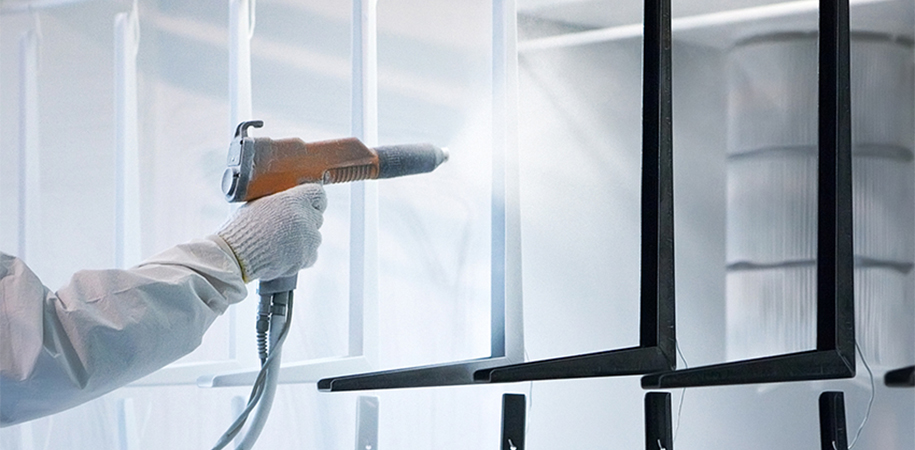
Architects and transport authorities do not just need a finish that looks right on practical completion. They need a powder coating partner who understands specification risk, warranty pathways, substrate differences and programme pressure. On commercial and infrastructure projects, coating systems for aluminium, galvanised steel and fabricated steel must be assessed early, documented clearly and aligned with warranty expectations before fabrication and documentation are locked in.
This article walks through how to think about architectural and transport infrastructure powder coating from the start. It explains what warranty grade really means in a commercial setting, how aluminium and steel differ, why timing matters, what architects must document and how schedule pressure plays into real projects like Melbourne Grammar and Birtinya Bridge.
Why Transport and Commercial Powder Coating Needs Early Attention
Transport and commercial public assets cop a harsh mix of:
- UV and heat
- Moist sea air and humidity
- Traffic pollution and tunnel exhaust
- Physical impact and public wear
For architects and project managers, powder coating can not be a last-minute finish. Coating decisions at design stage influence:
- Whole-of-life performance
- Warranty options and limits
- Long term maintenance budgets
- Access needs for future repairs
- Specification risk and exposure to variation claims
When finish systems are set late, they often clash with chosen substrates, weld details or galvanising. That is when design intent starts to get compromised so something can be coated quickly, and when warranty pathways can quietly fall over.
At our Yamanto facility, we work as an Interpon approved applicator on schedule-driven bridge, tunnel and commercial projects, coating aluminium and steel in-house so the system, process and program stay aligned.
What Warranty Grade Powder Coating Really Means on Site
In a commercial setting, “warranty grade” is more than picking a premium colour or reading a generic data sheet. In practice it means:
- Tested powder systems on defined substrates (aluminium, galvanised steel, fabricated steel)
- Specific cleaning and pre-treatment steps for each substrate
- Controlled minimum and maximum film builds
- Documented expectations for colour and film integrity in defined exposure conditions
There is a clear difference between a standard powder coating job and a warranty-grade system with a project-specific warranty pathway.
Standard coating:
- May follow a data sheet but has no formal warranty pathway
- Often mixes products and processes across substrates for convenience
- Relies on visual acceptance at completion rather than long-term performance
Warranty-grade coating:
- Uses nominated systems tested and approved for the actual substrate and exposure
- Controls preparation, application and film build, with records and traceability
- Ties colour and film integrity performance to defined environmental classifications
- Includes agreed maintenance requirements for the asset owner
The warranty pathway brings together:
- Environmental classification and exposure zones
- Substrate type and thickness
- Application method and cure
- Project class (e.g. façade, public transport asset, bridge structure)
- Maintenance obligations and cleaning frequency
Melbourne Grammar: Proof of Specification-LED, Warranty-Grade Coating
At Melbourne Grammar, the coating outcome was driven by specification, not by what was in stock at the end of the job. As an architectural, warranty-grade project, colour, gloss and film integrity expectations were:
- Locked in early during design development
- Matched to Interpon warranty systems for the nominated substrates
- Documented so there was a clear line from drawings to applied finish and warranty terms
This is a practical example of specification-led, warranty-grade coating: the system selection was made before fabrication, so aluminium and any steel elements were detailed, pre-treated and coated in a way that protected warranty eligibility and project appearance over time.
Matching Coating Systems to Aluminum and Steel Surfaces
Architectural and infrastructure powder coating must be assessed differently for aluminium, galvanised steel and fabricated (black) steel. System selection changes depending on substrate, exposure and project class.
Aluminium
Architectural aluminium usually has:
- Stable surface chemistry after cleaning and pre-treatment
- Suitability for architectural powder series aimed at long exterior life
- Defined pathways for colour and film warranties in various exposure zones
- Well-documented performance in façade and balustrade applications
For aluminium on commercial projects, warranty-grade systems typically involve:
- Approved chromate-free or suitable pre-treatment systems
- Architectural-grade powders with proven exterior weathering
- Defined film build ranges and cure requirements
- Colour and gloss retention expectations aligned with project class and exposure
Galvanised Steel
Hot-dip galvanised steel brings another set of variables:
- Zinc layer reactivity and surface condition variation
- Need for compatible pre-treatments that bond to zinc
- Careful management of venting and drainage in hollow sections
- Attention to ageing/curing of the galvanised layer before coating
On galvanised steel, especially for bridges and public assets, warranty-grade powder systems may require:
- Zinc-rich primers or duplex (galvanising + powder) systems
- Tailored pre-treatment and surface preparation of the zinc layer
- Control of sharp edges, cut faces and welds to avoid early breakdown
Fabricated (Black) Steel
Fabricated steel without galvanising needs:
- Appropriate blast cleaning and surface profile
- Anti-corrosive primer and topcoat combinations suited to the exposure
- Careful control of weld spatter, sharp edges and fabrication cleanliness
- System selection aligned with the project’s design life and access constraints
For fabricated steel on public or transport assets, system selection must factor in:
- Whether the project class demands a duplex or multi-coat system
- Risk of internal corrosion in hollow sections and inaccessible details
- The real cost and disruption of recoating versus up-front system performance
Common Substrate-Linked Risks
Across commercial and infrastructure work, common risk points include:
- Calling up an aluminium warranty system on galvanised or fabricated steel
- Ignoring cut edges, welds and sharp corners during detailing and prep
- Assuming a single product will cover all substrates and exposure zones
- Finalising systems after fabrication, when bad details can not be easily corrected
Those are the decisions that should be made before fabrication is complete and before specifications and documentation are locked in, so that programme and warranty expectations align.
Why Infrastructure Powder Coating Needs More Than Capabilities
Transport infrastructure powder coating is not the same as a standard façade package or a generic commercial fitout. A broad capability statement does not address the practical issues that drive performance and handover on bridges and tunnels.
Infrastructure projects demand:
- Higher exposure and harsher environments
- Difficult access during and after construction
- Public safety and public scrutiny
- Much longer design lives and higher consequence of failure
- Greater need for documentation, traceability and inspection
What matters is working with a contractor who understands engineered parts and public-facing assets, not just colour charts. That includes:
- Reading and working to structural shop drawings and tolerances
- Protecting mating surfaces, bolted interfaces and tolerance-critical areas
- Understanding erection sequences so parts are coated, labelled and packaged to match
- Managing batch consistency where components span large public vistas
System Selection on Public Assets and Bridge Components
On bridges, tunnels and other public-facing infrastructure, system selection matters more because:
- Premature failure is harder and more expensive to fix and may need closures or special access
- Visible corrosion on bridges and tunnels has reputational and confidence impacts for owners and designers
- Access for recoating is limited by traffic management, safety controls and weather windows
- Design lives and authority standards are usually longer than in typical commercial work
System choice must consider:
- Project class and relevant authority standards
- Proximity to coast, waterways or major highways
- Tunnel exhaust plumes and pollution build-up
- The cost and difficulty of later access and rectification
- Alignment with colour and film integrity warranty options
Birtinya Bridge: Galvanised Steel, Warranty and Programme
Birtinya Bridge is a good example of galvanised steel handled in a warranty-aware, schedule-driven way. Galvanised steel posts, frames and balustrades needed:
- Compatible pre-treatment and powder systems that worked with the zinc
- Control of cut edges, welds and detail design so the duplex system performed as intended
- Appearance outcomes that matched the architectural intent across long bridge runs
- Coating and delivery sequencing that still landed on program
The solution sat at the intersection of coating chemistry, substrate detail and schedule reality. That is the kind of project where a generic capability statement is not enough; experience with engineered components, galvanising behaviour and public exposure is essential.
Locking in Specifications Before Fabrication
Coating choices should be confirmed before fabrication kicks off and before specifications are fully locked in. Early clarity allows for:
- Suitable steel grades and plate thickness to match coating and design life
- Venting and drainage in hollow sections for galvanising and coating
- Weld detailing that works with galvanising, blasting and coating
- Component sizing that fits curing and handling limits in the coating plant
- Proper separation of aluminium, galvanised steel and fabricated steel in schedules
If system selection is left until after fabrication or late in documentation, it often triggers:
- Rework of shop drawings
- Redetailing of joints and connections
- Programme pressure as fabrication and coating clash
- Higher risk of shortcuts on prep and film build
- Reduced or invalidated warranty options
A simple step-by-step flow for architects helps avoid that:
- Engage an experienced applicator during design development
- Confirm all substrate types (aluminium, galvanised steel, fabricated steel) and exposure classifications
- Agree on target warranty terms for colour and film integrity by project class and location
- Finalise a written powder coating schedule before shop drawings are issued and documentation is locked in
Managing Schedule, Packaging and Direct Site Delivery
On bridges and tunnels, schedule is just as important as specification. Coating windows are tight, access is shared, and rainy periods can interrupt delivery and installation. Infrastructure powder coating needs more than a line stating “powder coat to manufacturer’s recommendations”.
A specialist applicator helps by:
- Planning batch sizes around installation sequences and critical path items
- Controlling cure and quality across staged runs to minimise colour variation
- Labelling, bundling and packaging components for direct site delivery in erection order
- Protecting mating surfaces and tolerance-critical areas so parts fit on site
- Coordinating with transport and crane schedules to avoid rehandling and damage
That level of planning reduces on-site damage, colour variation between batches and delays to opening dates. It also supports warranty integrity by limiting unplanned touch-ups and uncontrolled repairs.
Key Faqs for Commercial and Infrastructure Projects
What Should Architects Include in a Powder Coating Specification?
- Substrate type, thickness and whether it is aluminium, fabricated steel or galvanised steel
- Exposure classification and key micro-environment notes (tunnel exhaust, coastal, industrial)
- Nominated powder ranges and colour and gloss levels
- Pre-treatment standards, film build ranges and testing requirements
- Warranty expectations (colour and film integrity) and maintenance assumptions
- Project class and authority requirements relevant to bridges, tunnels or façades
Powder Coating Systems for Aluminium and Steel on Commercial Projects
- Aluminium generally uses architectural-grade powders with proven exterior weathering and established warranty pathways
- Galvanised and fabricated steel often need primers or duplex systems, especially in coastal or industrial conditions
- Fabricated steel may require more complex multi-coat systems depending on design life and access
- The exact system should be confirmed with both the powder manufacturer and an approved applicator, based on substrate, exposure and project class
When Should Warranty Requirements Be Confirmed During Design?
- Target warranty periods for colour and film integrity should be set in early design
- They need to be documented before tender so pricing, detailing and substrate choice line up with the system
- Warranty pathways should be agreed before fabrication is complete, so details like venting, welds and thicknesses support the required system
Standard vs. Warranty-Grade Powder Coating: What’s the Difference?
- Standard coating may follow a data sheet but has no formal warranty pathway and limited documentation
- Warranty-grade systems control preparation, application and film build, link to defined exposure conditions and provide documented colour and film integrity warranties
- Warranty-grade work requires alignment between substrate, system selection, detailing and maintenance
Do Aluminium and Steel Need Different Warranty Systems?
- Yes. Aluminium, galvanised steel and fabricated steel usually require different pre-treatments and sometimes different powder ranges
- Warranty systems are tested and approved on specific substrates and thicknesses
- A one-system-fits-all approach across curtain wall aluminium and mixed steel or bridge packages is risky and can invalidate warranties
What Does Colour and Film Integrity Warranty Actually Cover?
- Limits on colour change, chalking, gloss loss and film cracking or loss of adhesion over time in defined exposure conditions
- Often, specific minimum film builds and maintenance regimes are required to keep the warranty valid
- It usually excludes mechanical damage, harsh chemicals and unapproved repairs, so maintenance manuals and cleaning regimes must match the warranty terms
What Makes Infrastructure Powder Coating Different From General Commercial Work?
- Harsher exposure, more complex shapes, longer design lives and higher public safety needs
- Government and transport authority work often expects more inspection, documentation and traceability
- Access for recoating is limited, so first-time system selection is more critical
- Engineered components and public-facing assets demand tight coordination between design, fabrication and coating
Why System Selection Matters on Public Assets and Bridges
- Premature failure is harder and more expensive to fix, and may need closures, diversions or special access gear
- Visible corrosion on bridges and tunnels has reputational and confidence impacts for owners and designers
- Bridge and tunnel elements often sit in higher-risk exposure zones (e.g. splash, exhaust, de-icing environments)
- System choice directly affects achievable warranty terms and long-term maintenance budgets
How Can Powder Coating Delays Affect Project Handover?
- Late coating can stall installation of balustrades, noise walls, gantries and tunnel fit out
- That pushes back commissioning milestones and handover, with flow-on effects to other trades and authorities
- Inadequate planning of coating capacity and packaging can cause rework, damage and resequencing on site
- Working with an applicator that has real in-house capacity, process control and direct site delivery planning is a key risk reducer
When architects and project teams understand how architectural and transport infrastructure powder coating ties into substrate choice, specification detail, warranty pathways and schedule management, bridges, tunnels and premium commercial assets stand a much better chance of looking good and performing well for the long term.
To see how this works in practice, review Ipswich Powder Coating’s commercial capability and project work, including specification-led, warranty-grade systems on projects like Melbourne Grammar and Birtinya Bridge.
Get Started With Your Project Today
If your next project involves bridges, rail, ports or road assets, our team at Ipswich Powder Coating is ready to help you specify the right transport infrastructure powder coating solution. We work with builders, fabricators and asset owners to deliver durable finishes that stand up to tough Australian conditions. Talk to us about your timelines, design requirements and compliance needs so we can tailor an approach that fits. To discuss your project or request a quote, simply contact us.

