Loading
  • Link to Mail

YOUR PROJECT PARTNER IN POWDER COATING

PH: (07) 3281 5766

Ipswich Powder Coating | Powder Coating Near Me | Ipswich
  • Home
  • About Us
  • Commercial
  • Industrial
  • Trade
  • Projects
  • Resources
  • Colours
  • Blog
  • Contact
  • Menu Menu
News, Personal

Evaluating Powder Coating for Engineers on Queensland Projects

Engineers

Why Queensland Engineers Are Rethinking Coatings

Powder coating is not just about colour chips and finish samples. For Queensland engineers, it sits right in the middle of asset performance, risk and long-term maintenance planning. With harsh UV, humidity, coastal salinity and cyclone events, coating failure can quickly turn into serious corrosion, safety issues and unplanned shutdowns.

When a handrail starts rusting on a busy walkway, or a shade structure peels near the foreshore, it can affect slip resistance, structural performance and public confidence. Boards and asset owners are asking tougher questions about whole-of-life costs, warranty compliance and how long a coating system will realistically last before it needs to be redone.

That is why powder coating for engineers is a strategic choice. The right system helps reduce maintenance cycles, keep assets online for longer and make it easier to show that design and construction meet client and government requirements in Queensland conditions.

Understanding Powder Coating Performance in Queensland Conditions

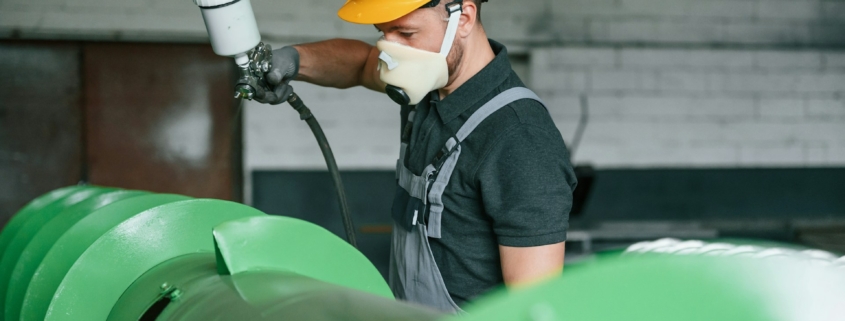
Powder coating starts as a dry powder that is charged and sprayed onto earthed metal, then baked so it flows and cures into a continuous film. Unlike wet paint, there are no solvents flashing off. The result is a tough, consistent coating with good film build and edge coverage when it is applied and cured correctly.

In Queensland, that film is under pressure from day one. Engineers should pay close attention to:

  • UV stability and chalking resistance  
  • Colour and gloss retention over time  
  • Impact and abrasion resistance on high-touch areas  
  • Edge coverage and film thickness on welds and cut edges  
  • Corrosion protection for both aluminium and steel substrates  

High UV can cause some coatings to fade or chalk early. High humidity and coastal salinity can push moisture and salts into any weak spots in the system, especially on sharp edges or poorly prepared surfaces. Powder that performs well in mild inland climates may not cope on a coastal bridge or an exposed facade in the tropics.

Australian standards help turn these concerns into measurable performance. For example, engineers commonly refer to:

  • AS 3715 for powder coating of architectural aluminium  
  • AS 4506 for thermoset powder coatings in general  
  • Salt-spray and cyclic corrosion testing to mirror harsh coastal exposure  

While lab tests are accelerated and controlled, they give a useful comparison between powder systems when you are assessing options for coastal, inland or tropical zones across Queensland.

Specifying Powder Coating for Local Projects

Good performance starts at the specification stage. When powder coating for engineers is treated as a system, not a last-minute paint note, it is easier to get consistent outcomes from tender through to installation.

Key points to lock into your specs include:

  • Substrate preparation, such as blasting of steel or chemical treatment on aluminium  
  • Pre-treatment systems suitable for the exposure category  
  • Minimum and maximum film thickness for each coat  
  • Powder type, such as polyester or fluoropolymer, matched to UV and corrosion demands  
  • Finish selection, including gloss level and texture, for glare and heat control  

Queensland conditions shift quickly as we move toward the hotter, stormier months. Heading into spring, UV levels rise, surfaces heat up and storm exposure increases. That is when colour and finish choices start to show their impact. Lighter colours help reduce heat buildup on facades and walkways, which can:

  • Lower thermal movement in long members  
  • Improve comfort for users touching handrails or seats  
  • Reduce heat stress on connections and fixings  

To support these outcomes, it helps to coordinate early with fabricators and coating applicators. Engineers can set clear expectations around:

  • Weld quality and grinding to avoid undercuts and porosity  
  • Breaking sharp edges so the coating can build properly  
  • Drain and vent holes to prevent trapping chemicals or water  
  • Assembly details, so critical surfaces can be fully coated  

When these details are agreed before shop drawings are finalised, it is easier to meet specification targets and keep the coating system within warranty conditions.

Warranty-Grade Coatings and Risk Management

Warranty-grade powder coating is about more than a document in the handover pack. It is a whole way of working that links suitable powder products, controlled processes and traceable records so performance is predictable instead of hopeful.

For engineers, that usually means working with:

  • Applicators who follow documented procedures from surface prep to curing  
  • Approved powder systems that have proven performance in harsh conditions  
  • Batch records and inspection reports that tie each project to identifiable production data  

When warranties are backed by strong quality systems, they support engineering decisions all the way from design sign-off to operations. If there is a problem later, you can trace what was applied, how it was processed and whether it matches the original specification.

On common assets like pedestrian bridges, shade structures, facade framing, handrails and park infrastructure, getting this right avoids early blistering, rust staining or flaking. That, in turn, reduces:

  • Disruption to users while rectification work is done  
  • Safety concerns around corroded edges or loose coating flakes  
  • Reputational risk for both the engineer and the asset owner  

Treating the coating as a warranty-grade system helps shift risk away from guesswork and towards controlled, documented performance.

Choosing a Powder Coating Partner for Complex Projects

Not every spray shop is set up for architectural, industrial and infrastructure work. Larger Queensland projects often involve heavy sections, long members or complex assemblies that need careful handling from blasting through to curing.

When engineers are choosing a partner, it is worth checking for:

  • In-house blasting and pre-treatment, so the whole process is controlled from start to finish  
  • Capacity for large or awkward components that match your project scale  
  • Clear systems to keep colour and gloss consistent across multiple stages  
  • Inspection, documentation and communication that fits with construction programs  

This kind of capability supports the intent of the design. When one team handles the process in-house, it is easier to line up coating details with the drawings and the specification, rather than trying to coordinate multiple suppliers.

At Ipswich Powder Coating, we focus on end-to-end, in-house coating services for aluminium and steel across architectural, industrial and infrastructure projects in Queensland. Our experience on local assets helps us work with engineers so coating decisions match the conditions those assets will face over their service life.

Turning Specifications Into Long-Term Asset Performance

Powder coating for engineers works best when it is treated as a performance system, not just a palette choice. A few practical steps can make a big difference on your next Queensland project:

  • Review existing coating specs against exposure categories and current asset expectations  
  • Nominate warranty-grade powder coating systems where UV, humidity or salinity are high  
  • Engage a specialist applicator early so the design details suit the coating process  

When the warmer months in Queensland bring higher UV and more frequent storms, these decisions pay off in fewer coating failures, less unplanned maintenance and better outcomes for asset owners and users.

We work with consulting and structural engineers to review projects, discuss specification options and provide technical input on powder coating systems for local conditions. When coating performance is aligned with design intent from the start, the finished asset is better placed to do its job for the long term.

Get Started With Your Project Today

If you need reliable, consistent finishes that meet engineering specs, Ipswich Powder Coating is ready to support your next project with our specialised powder coating for engineers. We work closely with you to understand your performance requirements, from corrosion resistance to tight tolerances and repeatability. Get in touch to tell us about your components, timelines and standards, and we will recommend a coating solution that fits. 
September 2, 2026/by Ipswich Powder Coating
https://www.ipswichpowdercoating.com.au/wp-content/uploads/2026/08/Engineers.jpg 1281 1920 Ipswich Powder Coating https://www.ipswichpowdercoating.com.au/wp-content/uploads/2019/03/Ipswich-Powder-Coating-white-web.png Ipswich Powder Coating2026-09-02 17:00:192026-10-16 04:34:41Evaluating Powder Coating for Engineers on Queensland Projects
News, Personal

Powder-Coated Handrail Maintenance on Queensland Public Assets

Handrail

Protecting Public Handrails Long after Practical Completion

Powder-coated handrails on public assets in Queensland work hard every day. They face tough weather conditions throughout the year and the public aren’t always gentle on them. If the coating fails, the structural integrity, safety and aesthetics all take a hit.

A robust post-install maintenance program helps keep handrails safe, clean and within warranty conditions. The benefits go beyond looks. Regular maintenance also supports corrosion resistance, grip and long-term cost control. When cleaning and touch-ups are planned and recorded, you get better coating life and avoid unplanned repair work later on.

For facility managers, asset owners and contractors, a good plan is just as important as the original specification. A specialist applicator can help clarify what the powder coating requires, what the warranty calls for and how to keep handrail powder coating in Queensland performing on public assets across different sites and climates.

Understanding Your Powder-Coated Handrail Warranty

A powder coating warranty sets out what the coating is expected to do and what is not covered. While each system has its own wording, you will usually see elements such as:

  • Scope of coverage, for example, coated handrails and brackets  
  • Warranty period and where it applies  
  • Performance criteria, such as colour retention, gloss, chalking and corrosion limits  
  • Exclusions, such as mechanical damage, misuse or harsh chemicals  

There is often a link between three parties: the powder manufacturer, applicator and asset owner. The manufacturer may back the powder performance, the applicator may cover workmanship and the asset owner is usually responsible for regular maintenance and basic record keeping. If cleaning is skipped or done with the wrong products, it can fall outside the agreed warranty.

Queensland has a mix of coastal, industrial and inland zones, and the right system is chosen with that in mind. A handrail near the surf will usually wear harder than one at an inland civic building. That is why the specified coating and the maintenance schedule are matched to the exposure. When cleaning intervals stretch too far, or aggressive cleaners are used, it can speed up chalking, fading or corrosion, and that can affect coverage under the warranty conditions.

Setting a Seasonal Cleaning Schedule That Works

The most effective cleaning program is one the maintenance team can consistently follow. For powder-coated handrails in Queensland, it is useful to consider the environment first, then fit tasks into existing maintenance cycles.

As a general guide, many asset managers work with something like:

  • Coastal exposure or heavy industrial areas: monthly to two-monthly cleaning  
  • Standard urban environments: every two to three months  
  • Rural or low-pollution areas: at least quarterly cleaning  

It helps to schedule handrail cleaning around times when grime and contaminants tend to build up. That can include after long holiday periods, after storm season or after large public events.

Handrail work can be integrated into existing routines such as:

  • General facility cleaning   
  • Safety inspections and access checks  
  • Term-break maintenance at education sites  
  • Pre- and post-event checklists for stadiums or civic spaces  

Documenting each clean is just as important. A simple record captures the date, area cleaned, product used, staff or contractor name and any notes such as minor chips or early rust spots. These notes help show warranty compliance and also guide planning for future repairs and repainting.

Approved Cleaning Chemicals and Safe Wash Methods

Powder-coated handrails respond best to gentle, regular cleaning. Harsh scrubbing once a year is not effective. For most public assets, safe cleaning usually includes:

  • pH-neutral detergents diluted in clean water  
  • Soft cloths or non-abrasive sponges  
  • Low-pressure water rinse  

These methods help lift dirt, body oils, salt and pollutants without cutting into the coating. Keeping it simple in this way helps extend coating life.

There are also products and methods that are best avoided on handrail powder coating in Queensland, such as:

  • Strong solvents and thinners  
  • Chlorinated or highly alkaline cleaners  
  • Abrasive pads or steel wool  
  • High-pressure blasting at close range  
  • Metal scrapers or sharp tools  

These can scratch, soften or strip the coating and, in some cases, push water and dirt into small breaks in the film. That can start corrosion under the surface.

A basic, repeatable cleaning method might look like this:

  • Rinse the handrail lightly with low-pressure water to remove loose dust  
  • Apply diluted pH-neutral detergent with a soft cloth or sponge  
  • Allow a short contact time, without letting it dry on the surface  
  • Gently wipe to remove grime, paying attention to joints and fixings  
  • Rinse well with clean water 
  • Dry where needed to avoid spotting and streaks  

Follow both the powder system guidelines and any directions from the original applicator. If unsure, spot-test any cleaner on a small, hidden section first. 

Touch-Up Limits, Repairs and When to Call the Applicator

Public handrails will take knocks over time. It’s important to know what can be handled as a small touch-up and what calls for a specialist repair.

Minor touch-ups can deal with small chips and scratches that have not led to significant raw metal exposure or structural damage. 

These are often addressed on site using factory-approved liquid touch-up materials or colour-matched paints that suit the original system. Before any touch-up, the area should be cleaned, lightly prepared and dried. Each repair should be logged with location, date, product used and preparation method. 

Larger or more complex damage should be raised with a specialist applicator, ideally the one who did the original work. Warning signs include:

  • Blistering or bubbles in the coating  
  • Rust staining coming from beneath the film  
  • Widespread chalking, fading or flaking  
  • Movement in joints that has cracked the coating  

Early action protects public safety and helps align with any warranty process, as many systems require that potential coating failures are reported promptly.

Auditing, Record-Keeping and Proving Compliance

Good records turn everyday cleaning and small repairs into a clear, defensible maintenance story. A simple inspection framework for public handrails might include:

  • Routine visual checks during normal rounds  
  • More detailed annual condition assessments  
  • Photographic records for key installations or sites with emerging problems  

For each asset, it helps to keep:

  • Maintenance logs showing cleaning dates and methods  
  • Inspection reports with any notes or follow-up actions  
  • Repair and touch-up records, including materials used  
  • Product data sheets for cleaners and touch-up systems  

When these records are integrated into the main asset management system, they support budget planning, risk management and long-term scheduling for maintaining handrail powder coating in Queensland. Across a large portfolio, this makes it easier to group work, plan refurbishments and demonstrate that warranty conditions and public safety duties have been taken seriously.

A clear post-install maintenance program, supported by practical cleaning methods and solid documentation, keeps Queensland’s public handrails performing well long after practical completion. Asset owners and managers should work with local powder coating specialists to align maintenance with the original specification and warranty expectations, so those handrails remain safe, presentable and in service for as long as intended.

Get Started With Your Project Today

If you are planning a new build or upgrading existing access points, we can help you achieve a durable, professional finish that stands up to local conditions. View our recent projects featuring handrail powder coating in Queensland to see the quality Ipswich Powder Coating delivers. Get in touch with our team to discuss the best options for your next project. 

August 26, 2026/by Ipswich Powder Coating
https://www.ipswichpowdercoating.com.au/wp-content/uploads/2026/08/Handrail.jpg 1280 1920 Ipswich Powder Coating https://www.ipswichpowdercoating.com.au/wp-content/uploads/2019/03/Ipswich-Powder-Coating-white-web.png Ipswich Powder Coating2026-08-26 17:00:242026-10-16 04:31:34Powder-Coated Handrail Maintenance on Queensland Public Assets
News, Personal

Queensland Powder Coating Spec Guide: Powder vs. HDG + Paint vs. Thermal Spray

Powder Coating

Queensland engineers deal with harsh conditions every day. Strong UV, high humidity, marine salts and cyclones all push coatings to their limits. With these risks in play, choosing the wrong system creates ongoing durability, maintenance and liability problems. 

Today we will outline a simple decision framework to help you choose between architectural powder coating, hot-dip galvanising with paint and thermal spray metal coatings. We focus on how environment class, substrate, constructability and maintenance all link together. Covering these details will allow you to back up your drawings, meet durability expectations and reduce the odds of early coating failure.

How Engineers Can De-Risk Queensland Coatings

For structural, civil, facade and building services engineers, coatings are often signed off late in the job, but they carry long-term risk. Poor choices show up as early chalking, corrosion at welds, peeling at edges and ongoing maintenance headaches.

We find the risk tends to cluster around a few things:

  • Underestimating how aggressive the environment really is  
  • Treating powder, HDG plus paint and thermal spray as interchangeable  
  • Missing the constructability and access traps that affect future touch-up  

A simple way to de-risk is to treat the coating as a system decision from day one. That means linking your specification to standards, the real environment and how the asset will be built, cleaned and maintained in Queensland conditions.

Environment Classes Drive the Coating Choice

Environment class should be your first filter. Australian standards like AS/NZS 2312 and durability provisions in the NCC provide useful language for this, with categories from benign inland air through to severe coastal and splash zones.

Typical broad exposure bands include:

  • Inland rural and low-pollution suburban  
  • Light industrial and urban  
  • Urban marine or within a few kilometres of the coast  
  • Severe coastal, surf, splash, tidal or immersed zones  

Remember to account for micro-climates. A C3 site on paper can behave more like C4 in:

  • Pool enclosures with warm chlorinated air  
  • Plant rooms with damp, chemical carry-over or exhaust  
  • Shaded soffits that stay wet after rain  
  • Splash zones near traffic, irrigation or washdown areas  

As a quick snapshot for powder coating for engineers:

  • Architectural powder coating usually suits C2 to C3, and controlled C4 if detailing and maintenance are good  
  • HDG plus paint is often preferred for C4 to C5, immersion and buried steel  
  • Thermal spray metal coatings come into their own in C5, tidal and splash, high-temperature or high-wear zones  

Once you know both the site class and the micro-climate, you can start ruling options in and out.

Matching Coating Systems to Substrate and Detailing

Next, match the coating to what the steel or aluminium is actually doing. Typical substrates on Queensland projects include:

  • Extruded aluminium framing for windows, doors and facades  
  • Fabricated mild steel, RHS and SHS in structures and support frames  
  • Hot rolled sections, balustrades, louvres and screens  
  • Bridges and exposed infrastructure elements  

For aluminium, architectural powder coating is the usual choice. Some key points engineers should keep in mind are:

  • Proper pre-treatment is critical for adhesion and corrosion resistance  
  • Different powder classes exist for standard and higher durability work  
  • Film thickness and colour selection affect long-term chalking and fade  
  • Constantly wet or immersed locations for aluminium are a poor fit for standard powder systems  

On steel, you have more choices. Direct-to-steel powder coating can suit some interior or lower exposure work, but in harsher environments engineers often step up to:

  • HDG plus a paint or powder topcoat for added durability and colour control  
  • Thermal spray zinc or aluminium with a sealer or topcoat where edge, weld and cut-face protection are critical  

Detailing has a big impact on all three systems, so remember to:

  • Provide vent and drain holes for galvanising and thermal spray  
  • Radius sharp edges so coatings do not thin at corners  
  • Keep welds smooth and continuous rather than porous or stitched  
  • Avoid crevices and overlapping plates that can trap salts and stay wet  

A well-detailed substrate helps the coating system perform to its rated design life.

Constructability, Program and Access Considerations

Coating choice also affects program and buildability. Factory powder coating, HDG and thermal spray each have different strengths.

Offsite factory powder coating gives a controlled finish but needs planning:

  • Components must fit booth sizes and handling limits  
  • You want modular design where parts can be coated before assembly  
  • There is some risk of on-site damage during crowded construction phases  

Large built-up steelwork or complex weldments can be awkward for batch powder coating. In those cases, engineers may lean toward:

  • HDG plus paint, where entire assemblies can be dipped, then topcoated  
  • On-site thermal spray systems for fixed or heavy elements that are hard to move  

Interface choices are also in your hands:

  • Bolted versus welded splices affect what can be coated in the factory  
  • Concealed fixings look tidy but can be hard to access for future repair  
  • Allowance for touch-up at connection points helps close the loop between shop and site  

When you sketch connections and section lengths, it helps to think about how the coating will be applied, protected during erection and eventually repaired.

Maintenance, Warranties and Whole-of-Life Thinking

Every coating system comes with a maintenance commitment. It’s important the owner understands what that is early in the process. 

For powder coating, life in Queensland depends a lot on:

  • Regular wash-down to remove salts, dirt and pollutants  
  • Distance from the coast and exposure to wind-driven sea spray  
  • Orientation, shading and how long surfaces stay wet after rain  

HDG plus paint usually involves planned recoating intervals. That means the owner needs:

  • Safe access for abrasive prep and repainting where required  
  • Clear zones around members so lifts and platforms can get in  
  • Records of original coating systems so future work matches correctly  

Thermal spray systems may run longer between major interventions, but they need good upfront preparation and application control.

For warranty-grade finishes, suppliers and applicators want to see:

  • A documented specification that matches the environment  
  • Approved powders and systems suited to the exposure class  
  • Correct pre-treatment and application records for quality assurance  

That paperwork supports your design documentation and helps reduce disputes if there is a problem years down the track.

A Simple Decision Path for Your Next Job

Taken together, these decisions form a working approach to powder coating for engineers that you can apply to related systems as well. A simple path looks like this:

  • Define the environment class and check for aggressive micro-climates  
  • Confirm substrate type and detail quality, including drainage and edges  
  • Assess access, assembly size and how modular the design can be  
  • Match the coating system to required design life and realistic maintenance  

From there, it helps to workshop your draft specification with a specialist applicator like Ipswich Powder Coating early in the design phase. As an accredited applicator running one of the largest batch operations in Queensland, we can work through powder selection, blasting and pre-treatment requirements and the conditions attached to a 10 to 30 year warranty before the spec is locked. 

Get Started With Your Project Today

If you are looking for reliable powder coating for engineers, Ipswich Powder Coating can help you match the right finish to the performance and compliance requirements of your project. Share your project details and we will provide practical advice on coating systems, colour selection and durability. Contact our team to discuss lead times, pricing or technical requirements.

August 19, 2026/by Ipswich Powder Coating
https://www.ipswichpowdercoating.com.au/wp-content/uploads/2026/07/Ipswich-Powder-Coating-spray-44-1-scaled.jpg 1707 2560 Ipswich Powder Coating https://www.ipswichpowdercoating.com.au/wp-content/uploads/2019/03/Ipswich-Powder-Coating-white-web.png Ipswich Powder Coating2026-08-19 17:00:472026-10-16 04:28:12Queensland Powder Coating Spec Guide: Powder vs. HDG + Paint vs. Thermal Spray
News, Personal

Signs Your Architectural Aluminium Coating Contractor Is Under-Specifying

Aluminium Coating Contractor

Protecting Your Project From Hidden Coating Shortcuts

Architectural aluminium coating needs to be done right from the start to perform well. In Queensland, the mix of strong UV, humidity and coastal air can punish the wrong coating very quickly. When projects ramp up before summer and everyone is racing to hit deadlines, it can be tempting to accept the quickest or cheapest quote without looking too closely at the details.

The risk is that an architectural aluminium coating contractor can under-specify the system and still make everything look fine at handover. The problems show up later, with early chalking, fading, bubbling and corrosion. By then the scaffold is gone, the building is occupied and fixing it is messy and expensive.

Today we will walk through the signs that a contractor may be under-specifying, what a sound spec should cover and how you can protect your warranties and the long-term value of the asset.

When the Spec Is Vague, You Pay the Price

The first warning sign usually sits right in the quote: vague or missing information. If the coating spec looks thin, it is often because corners are being cut behind the scenes.

Watch for quotes that skip clear details like:

  • No powder brand or series named  
  • No performance class, such as standard exterior, super durable or higher  
  • No film-build range in microns  
  • No description of pre-treatment or surface prep

Instead, you might see throwaway lines like:

  • “Powder coat finish, colour as selected”  
  • “Applied to manufacturer’s recommendations”  
  • “Finish to be durable exterior grade”

On their own, these phrases do not say much. They do not reference AS 3715, AAMA standards or any project-specific performance needs.

Another red flag is when the contractor does not ask about the environment. If nobody asks whether the project is coastal, near a pool, beside a highway or in a light industrial area, yet the same system is offered for everything, that is a concern.

You should also be wary if:

  • The contractor will not provide written coating specifications  
  • Product data sheets are hard to get  
  • There is no clear specification showing exactly which coating products and processes will be used

If the spec is vague now, it leaves a lot of room for the contractor to do the job on the cheap.

Red Flags in Product Selection and Brand Substitution

Even when a quote starts with a recognised powder brand, what gets used in production can quietly shift. One common trick is the “equivalent” swap. The quote may mention a known architectural series, but when you look at purchase orders or shop drawings, you see a different line, a different brand or a generic alternative.

This matters because not all powders are created for the same duty. Warning signs include:

  • Interior-grade or basic exterior powder suggested for coastal facades  
  • Standard exterior systems proposed for waterfront balustrades or poolside screens  
  • No clear reason for choosing a particular series for a high-UV or infrastructure job

Another issue is approvals. Many architectural powders are designed to be applied only by approved applicators. If your contractor is not approved for that series, you can end up with:

  • Warranties that do not apply or are reduced  
  • Colour and gloss that do not match expectations  
  • Inconsistent results from batch to batch

There should also be some straight talk about long-term colour stability. If nobody mentions gloss retention, chalk resistance or how the system is expected to look in 10 or 20 years, that is a sign that long-term performance is not front of mind.

Cutting Corners on Surface Prep and Pre-Treatment

Even the best powder will not perform if the metal is not prepared properly. Shortcuts here can be harder to spot, because they happen inside the coating plant. Still, you can see clues in the quote and in how your contractor explains their process.

Be careful with specs that only say “clean and coat” or “prepare surface and apply powder.” A proper system for aluminium should talk about:

  • Degreasing and cleaning  
  • A suitable pre-treatment for architectural work  
  • How existing anodised or previously coated aluminium will be handled

Complex fabrications like balustrades, louvres and façade fins need extra thought. Sharp edges, welds, corners, drainage holes and any spots with dissimilar metals are all common failure points. If your contractor cannot explain how they treat these areas, they may be relying on luck.

Good masking and jigging also matter. You want to hear how they will:

  • Avoid large uncoated contact marks  
  • Make sure concealed faces still get coverage  
  • Keep architectural faces free from runs, sags and rough spots

Quality checks should not be a mystery either. If there is no mention of film thickness checks, adhesion tests, cure checks or records for powder batches, that is a strong sign that quality control is loose.

Warranty Promises That Do Not Stack Up

Warranties are another area where under-specifying can creep in. A contractor might say “this will do 10 to 15 years no worries”, but unless that is backed by the powder manufacturer in writing, it is just talk.

Look out for:

  • Verbal promises with no written warranty terms  
  • No link between the warranty and the exact system used on your project  
  • No sign-off from the powder manufacturer

Genuine warranties come with conditions. For architectural aluminium in coastal or industrial zones, there should be clear advice about:

  • Wash-down schedules  
  • Basic maintenance logs  
  • Environmental limits and distances from breaking surf or heavy pollution

If the warranty does not mention relevant Australian Standards or recognised international benchmarks for coating performance, it is hard to know what “10 years” actually means.

You should also expect some kind of formal inspection or completion process. When there is no agreed inspection, no defect list and no sign-off paperwork, you may find the manufacturer is not willing to stand behind the job when problems show up later.

How to Choose a Contractor Who Will Specify Correctly

So how do you protect yourself when you are choosing an architectural aluminium coating contractor, especially when the program is tight and everyone wants material on site yesterday?

Start by asking targeted questions. For example:

  • What exact coating system are you proposing for this project?  
  • Which powder brand and series will you use?  
  • What pre-treatment line and process do you run?  
  • Which standards and test regimes does this system meet?

Then look at capability. A strong partner should be able to say that coating work is managed in-house and talk through how they keep quality consistent for commercial, industrial and infrastructure projects. Approval by leading powder manufacturers for high-spec applications is also a strong sign they are set up for warranty-grade work.

Documentation matters too. You can request:

  • Written coating specifications  
  • Relevant product data and test information  
  • References for similar projects in Queensland conditions

Finally, match their capacity to your program. You want a contractor who can explain their turnaround times, shift patterns and quality checks so that performance is not sacrificed under time pressure.

Locking in Long-Term Performance

Under-specified aluminium coatings might look fine at completion, but the real test starts after the scaffold is down and the first few summers roll past. Early repainting, corrosion repairs and arguments over warranty responsibility can easily wipe out any small savings made at the quoting stage.

By slowing down and checking the spec, you can pick up many of the warning signs before they become your problem: vague documents, brand swaps, weak surface prep plans and loose warranty promises. Asking more direct questions of your architectural aluminium coating contractor will help you secure a system that suits your environment, your project intent and the life of the asset.

At Ipswich Powder Coating, we see the difference that fully documented, warranty-grade coating systems make over time across commercial, industrial and infrastructure work in Queensland. Careful specification up front is one of the most effective ways to protect both your project and your reputation.

Get Started With Your Project Today

If you need a reliable architectural aluminium coating contractor, we are ready to help you deliver a durable and consistent finish on every project. At Ipswich Powder Coating, we work closely with builders, fabricators and architects to meet your specifications, deadlines and quality standards. Tell us about your upcoming work and we will recommend the right coating solution for your application. Contact us today to discuss your requirements or request a quote.

August 12, 2026/by Ipswich Powder Coating
https://www.ipswichpowdercoating.com.au/wp-content/uploads/2026/07/Aluminium-Coating-Contractor.jpg 1280 1920 Ipswich Powder Coating https://www.ipswichpowdercoating.com.au/wp-content/uploads/2019/03/Ipswich-Powder-Coating-white-web.png Ipswich Powder Coating2026-08-12 17:00:282026-10-16 04:26:18Signs Your Architectural Aluminium Coating Contractor Is Under-Specifying
News, Personal

Batch Powder Coating for Queensland Manufacturers and Fabricators

Powder Coating

Batch Coating That Keeps Queensland Production Moving

Queensland manufacturers and fabricators are under pressure to turn work around quickly while still delivering reliable, long-lasting finishes. Customers expect parts that look good, fit right and stand up to tough conditions without constant touch-ups or rework.

Batch powder coating is a practical way to keep production moving when jobs change size, shape and urgency. It suits everything from urgent one-offs to regular runs, without locking you into a fixed line. With the right partner, it becomes part of your production flow, not a bottleneck that slows you down.

At Ipswich Powder Coating in Yamanto, we focus on specification-driven finishes for commercial, industrial and infrastructure work across Queensland and beyond. Our batch approach helps manufacturers get consistent results that match their drawings, standards and local conditions.

Why Batch Powder Coating Suits Modern Fabrication

Modern fabrication rarely looks like a long, steady run of identical parts. Most shops are juggling:

  • Custom jobs and specials  
  • Small-to-medium production runs  
  • Prototypes and first-offs  
  • Mixed sizes, from brackets to larger frames  

Batch powder coating fits this reality. Parts can be grouped by colour, substrate or spec, then coated together. This makes it easier to adapt when a rush order pops up or a client changes a detail late in the process.

Compared with wet spray, batch coating usually gives:

  • More consistent film build across the part  
  • A tougher, more durable finish  
  • Less overspray mess and clean up  

When you compare batch powder coating to a large continuous line, you gain flexibility. You are not stuck waiting until there is enough volume to justify a huge run. This is a big help when timelines are tight and you are trying to keep welding, machining and assembly all in sync.

For Queensland fabricators under time pressure, a good batch system can mean:

  • Lower rework rates, because specs are repeatable  
  • Predictable lead times, even when job sizes change  
  • Easier planning around other steps like drilling, cutting and fit-up  

Meeting Harsh Queensland Conditions with Warranty-Grade Finishes

Queensland can be rough on steel and aluminium. Parts often face:

  • High UV exposure that fades colours  
  • Humidity and stormy periods that push moisture into every gap  
  • Coastal salt air that speeds up corrosion  
  • Dust and grime that cling to surfaces  
  • Industrial contaminants in busy work zones  

Without the right pre-treatment and coating system, paint can chalk, peel or break down faster than expected. That leads to corrosion, site complaints and more maintenance work than anyone planned.

A specification-driven batch process focuses on doing each step to a set standard. That includes:

  • Correct surface cleaning and pre-treatment to suit the metal  
  • Selecting powders that suit the environment and use  
  • Controlling film thickness so it is not too thin or too heavy  

This approach is especially important for:

  • Infrastructure components that must last on exposed sites  
  • Transport items on the road, rail or in marine areas  
  • Mining and industrial parts that face dust, impact and chemicals  
  • Building products that need long-term colour and gloss retention  

Warranty-grade systems help protect reputations. When a finish performs as expected over time, it supports your quality promise and your relationships with clients.

How Manufacturing Batch Coating Services Streamline Production

Batching is not just about loading a rack and spraying. Done well, it supports the way your factory runs.

You can group parts by:

  • Colour  
  • Substrate type, like mild steel or aluminium  
  • Coating specification or exposure zone  

This allows you to cut changeover downtime and keep work flowing. You can then line coating runs up with your welding and assembly plans, instead of stopping and starting on an ad hoc basis.

Many manufacturers see a spike in project work as daylight hours stay long and build schedules ramp up. Planning ahead so stock is coated and ready before these periods kick in can relieve pressure on both your floor and the site.

Good manufacturing batch powder coating services also focus on job control, such as:

  • Clear booking and confirmation so you know when to send parts  
  • Traceability of specs, colours and batches  
  • Checks during pre-treatment, coating and curing  
  • Labelling and protective packing so parts return ready for the next step  

When parts arrive back correctly identified and protected, your team can move straight into assembly, fitting or dispatch without wasting time sorting piles of unknown components.

Designing Components for Faster, Better Batch Coating

The way parts are designed has a big impact on coating speed and finish quality. A few design choices can save a lot of trouble later.

Helpful design for coating tips include:

  • Adding drainage holes so pre-treatment and powders do not pool  
  • Including sturdy hanging points that will not mark key surfaces  
  • Avoiding deep pockets that trap dirt and moisture  
  • Keeping sharp edges broken so coating can wrap properly  

Weld quality and surface prep also matter. Clean, consistent welds are easier to prepare for coating and give a smoother final look.

When you use manufacturing batch coating services, you get better results if parts are:

  • Grouped by material and thickness where possible  
  • Designed with similar hanging and handling needs  
  • Kept within practical size ranges for racks and ovens  

Early collaboration can make a big difference. Sharing drawings or talking through a design change before you lock it in helps spot possible coating issues, like shadow areas or tight gaps, before they appear on the floor. This helps reduce rework, scrap risk and delays later in the project.

Partnering with Ipswich Powder Coating for Your Next Run

A reliable batch powder coating partner can support growth by taking care of finish quality while you focus on fabrication, assembly and delivery. When the coating side is consistent and specification-driven, projects carry less risk and it becomes easier to say yes to more complex or time-sensitive work.

At Ipswich Powder Coating, we specialise in warranty-grade, specification-driven finishes for commercial, industrial and infrastructure projects. We support manufacturers and fabricators who need their batch coating to match drawings, withstand Queensland conditions and fit neatly into busy production schedules.

Sharing clear information upfront, such as part drawings, exposure conditions, preferred colours, typical volumes and rough timelines, allows us to suggest batch strategies and coating systems that suit your work. With the right planning and a focus on local conditions, batch powder coating can become a strong, dependable link in your production chain.

Get Started With Your Project Today

If you are ready to lift the quality and consistency of your production runs, our manufacturing batch coating services are set up to handle your timelines and technical requirements. At Ipswich Powder Coating, we work closely with you to match specifications, finishes and colours across every batch. Talk with our team about your next job so we can recommend the right process for your components.

August 5, 2026/by Ipswich Powder Coating
https://www.ipswichpowdercoating.com.au/wp-content/uploads/2026/07/Powder-Coating-1.jpg 1280 1920 Ipswich Powder Coating https://www.ipswichpowdercoating.com.au/wp-content/uploads/2019/03/Ipswich-Powder-Coating-white-web.png Ipswich Powder Coating2026-08-05 17:00:482026-10-16 04:24:23Batch Powder Coating for Queensland Manufacturers and Fabricators
News, Personal

Choosing a Manufacturer Approved Coating Applicator in Queensland

Coating Applicator

Protecting Your Project with Approved Coating Experts

Choosing a manufacturer-approved coating applicator is one of those decisions that quietly protects your whole project. When metalwork sits in Queensland sun, humidity and coastal air, any weak point in the coating soon shows up as chalking, peeling or rust. Once that happens, it is not just an eyesore. It can slow handover, trigger arguments over responsibility and shorten the life of the asset.

A manufacturer-approved powder coating applicator helps avoid this. These applicators work to tested processes, are checked by the powder manufacturer and follow strict specification data sheets. That means the coating system is applied the way it was designed, so you get the performance the product is meant to deliver.

Across Brisbane and regional centres, this matters for builders, fabricators, engineers and asset owners who rely on long-term performance on facades, steelwork, handrails and infrastructure. A specialist Queensland powder coater working in this space supports projects from design through to completion so the coating is one less thing you need to worry about.

What Manufacturer Approval Really Means for Your Coating

Manufacturer approval is more than just a marketing term. A manufacturer-approved coating applicator has gone through formal training with the powder supplier and has had their plant, processes and quality checks reviewed.

In practice, this usually covers things like:

  • Correct pre-treatment systems for aluminium and steel  
  • Proven control of film build across all surfaces  
  • Accurate cure temperature and time inside the ovens  
  • Batch traceability back to the powder used  
  • Documentation and checks that match the coating data sheets  

Compliance with the powder manufacturer’s instructions is the core of it. Coating data sheets and project specs set out how the product should be applied, including surface preparation, film thickness, curing and inspection. An approved applicator follows these steps on every job, rather than guessing or cutting corners when the schedule is tight.

For you, the benefits are practical:

  • Coatings perform more predictably over time  
  • Projects may be eligible for extended manufacturer warranty programs  
  • Council and client sign-offs are smoother when paperwork matches specs  
  • There are fewer callbacks to fix early failures or appearance issues  

On busy sites, that reliability helps keep the program on track and protects relationships between builder, fabricator and client.

The Key Risks of Using Non-Approved Applicators

When an applicator is not approved by the powder manufacturer, the risk to your project increases, even if the work looks fine on day one. Problems usually start to show once the coating has been out in Queensland conditions for a while.

Common issues include:

  • Chalking and loss of gloss on facades and cladding  
  • Colour fade on feature elements and branding colours  
  • Peeling or flaking on balustrades and handrails  
  • Corrosion creeping from edges, welds and cut areas  

These issues can trigger hidden costs that no one planned for. Reworking coated items means extra transport, re-installation and labour. Handover dates can slip while sections are removed and recoated. Disputes can arise over who pays, especially when there is no clear warranty path.

There is also the long-term impact. Premature coating failure can cut the service life of steel or aluminium parts, leading to more frequent maintenance or replacement. For builders and fabricators, a project with visible coating problems can follow you, affecting referrals and future work.

Another key risk is warranty. Powder manufacturers often require that their products be applied by an approved applicator for the warranty to apply. If a non-approved applicator is used, that product warranty can be lost. When something fails, the project owner or contractor can be left carrying the full cost.

How to Assess a Coating Applicator in Queensland

So how do you check if a coating applicator is up to standard for your next project in Brisbane or regional Queensland?

Start by asking for clear proof of their status:

  • Written manufacturer approval or endorsement letters  
  • Confirmation of current warranty applicator status where relevant  
  • Examples of similar local projects in similar environments  
  • Copies of QA documentation and sample inspection reports  

Then, ask about their process in simple terms. Good applicators are happy to walk you through their setup and controls. Useful questions include:

  • What pre-treatment line do you run for aluminium and steel?  
  • How do you control curing temperature and time in your ovens?  
  • What tests do you run, such as dry film thickness, adhesion and gloss checks?  

Local climate experience is also important. Queensland projects range from coastal rail and road infrastructure, to inland industrial sites, to suburban housing and high-rise work. An applicator who understands how different environments affect coating choice and preparation can help you match the system to its real-world exposure.

You want a partner who thinks ahead about salt air near the coast, constant UV on north-facing facades and grime or impact on transport and public assets. That experience often shows in the questions they ask you at the quote or tender stage.

Why Ipswich Powder Coating Meets Manufacturer Standards

As a Queensland-based powder coating specialist, Ipswich Powder Coating operates in this manufacturer-approved space, supporting builders, fabricators, engineers and asset owners across Brisbane and regional centres. Our focus is on delivering warranty-grade architectural, industrial and infrastructure coatings that stand up to local conditions.

Typical applications we work on include:

  • Aluminium windows, doors and facade elements  
  • Structural steel for commercial and industrial projects  
  • Handrails, balustrades and access systems  
  • Transport components and equipment  
  • Public and community infrastructure that needs long-term performance  

We place strong emphasis on quality control and traceability. Our team follows documented processes that align with powder manufacturer data sheets and warranty requirements. Batch records, inspection reports and in-process checks mean each project has a clear trail from surface preparation through to final cure.

That approach helps protect your project from early coating failures and supports a clear path to manufacturer-backed warranties where applicable. It also gives you confidence that what was specified is what has actually been applied on the steel or aluminium you are supplying or installing.

Planning Your Next Project Coating Strategy

Coatings are easiest to get right when they are planned as part of the project strategy, not left as a last-minute task just before install. A simple checklist can help keep things on track:

  • Confirm your applicator is manufacturer approved for the system you need  
  • Match the coating system to the real environment, not just the drawings  
  • Confirm the warranty path and documentation requirements early  
  • Agree on timelines before peak construction periods to secure capacity  

Engaging an approved applicator early, at design or tender stage, allows time to review colours, gloss levels and texture, and to check that the specified system is practical for the steel or aluminium design. It also helps align coating lead times with fabrication and site programs, so coated items arrive when you are ready for them.

For projects across Queensland that need reliable, warranty-grade powder coating, working with a manufacturer-approved coating applicator such as Ipswich Powder Coating gives your metalwork a better chance of looking good and performing well for many years.

Get Started With Your Project Today

If you need a reliable finish that meets industry standards, we are ready to help you plan the right coating solution from the start. As a trusted manufacturer-approved coating applicator, Ipswich Powder Coating works closely with trade and industrial clients to deliver consistent, long-lasting results. Get in touch with our team today to tell us about your project requirements and timelines so we can recommend the most suitable approach. 

July 29, 2026/by Ipswich Powder Coating
https://www.ipswichpowdercoating.com.au/wp-content/uploads/2026/07/Coating-Applicator.jpg 1280 1920 Ipswich Powder Coating https://www.ipswichpowdercoating.com.au/wp-content/uploads/2019/03/Ipswich-Powder-Coating-white-web.png Ipswich Powder Coating2026-07-29 17:00:212026-10-16 04:22:15Choosing a Manufacturer Approved Coating Applicator in Queensland
News, Personal

Questioning Handrail Powder Coating Specs on Queensland Projects

Powder Coating

Why Queensland Handrail Coatings Deserve a Second Look

Handrails on Queensland projects work hard. They are grabbed, leaned on, scratched by bags and tools, and they sit out in the sun, rain and salt air. When the powder coating on those rails fails early, it is not just an ugly look. It can become a safety and maintenance headache for years.

Stairs, balconies, ramps and walkways are everywhere. Across infrastructure, multi-res, education and health builds, large quantities of handrail are going in every month. With that volume, small gaps in the specification can turn into big problems right across a project. That is why handrail powder coating in Queensland deserves a closer look before drawings are locked in or tenders go out.

Specs used locally are sometimes copied from interstate documents or pulled from old files. As a result, they can be written for cooler, milder climates and do not reflect Queensland UV, humidity or coastal conditions. Powder technologies and warranty expectations have also moved on, but the paperwork has not always kept up. As a local coater working every day with these conditions, Ipswich Powder Coating sees where things slip through and how to fix them early.

Where Handrail Powder Coating Specs Go Wrong

When specs are copied from projects in gentler climates, they often miss the things that really matter up here. Queensland sun is harsh, and many sites sit close to the coast or tidal rivers. A generic spec that worked fine in a mild inland town can fall apart quickly on a high-rise balcony or open walkway near the bay.

Common weak spots in handrail powder coating specs include:

  • No stated atmospheric or exposure category  
  • No clear call-up of substrate type, like galv, mild steel or aluminium  
  • Vague notes on film build or edge coverage  
  • No requirement for colour and gloss retention

That kind of loose wording leaves too much open to interpretation. It also makes it easier for the wrong system to be used, such as:

  • Interior-grade powders on fully exposed external rails  
  • Mix-and-match primers that do not suit the topcoat  
  • Shortcuts in pre-treatment to save time on site programs  

Once that happens, the real-world effects can show up very quickly. You might see chalking and fade after only a couple of summers. Rust spots start near welds and fixings, with ugly stains running down walls or concrete. Rough, peeling finishes that are hard to clean and uncomfortable to hold, which is not what you want on a safety item people use every day.

When coatings fail, disputes kick off between builder, fabricator and applicator. Everyone points to the spec, but if the spec was never clear or suitable for Queensland in the first place, it is hard to find a satisfying answer.

Queensland Climate Pressures on Handrail Lifespan

Not all Queensland sites are the same, but most share one thing: they are tough on coatings. From humid subtropical zones around Brisbane to coastal and marine locations and regional industrial areas, each brings its own kind of stress to a handrail.

Here are a few of the main pressures we see:

  • Strong UV that burns colour and gloss  
  • High humidity that pushes moisture into gaps and edges  
  • Summer storms that hammer exposed rails with wind and water  
  • Pool and marine chlorides that attack coatings near water

Sharp edges, welds and joins cop the worst of it, so any weakness in the coating shows early. If edges are not well rounded, or welds are not cleaned and prepared properly, that becomes a starting point for breakdown.

Seasonal work cycles add another layer. Many large projects try to push outdoor works in the drier middle of the year, then plan for wet season impacts later. That pattern makes it smart to check external handrail coating specs before big fabrication runs start. Once hundreds of metres of rail are welded and sent for coating, changes are much harder.

Choosing the right coating system from the start cuts down the risk of shutdowns and rework on public stairs, walkways and platforms. Nobody wants night works to grind or replace corroded rails on a recently finished site.

Getting the Specification Right From Day One

A good handrail coating spec for Queensland does not need to be complicated. It just needs to be clear and suited to local conditions. At a minimum, it should spell out:

  • Exposure class or atmospheric category  
  • Substrate type and thickness  
  • Surface preparation standard  
  • Pre-treatment method  
  • Primer type, if required  
  • Topcoat performance class and finish

From there, it helps to call up performance expectations. That can include:

  • UV resistance  
  • Colour and gloss retention  
  • Corrosion resistance for the expected environment  
  • Impact and abrasion resistance  
  • Warranty durations backed by the powder manufacturer

It is also smart to bring fabricators and coaters into the conversation early. Some design choices make coating much harder than it needs to be, for example:

  • Tight gaps that a spray gun cannot reach  
  • Capped ends with no drainage or venting  
  • Hidden welds that are impossible to clean or inspect  
  • Complex bracket shapes that trap powder unevenly  

Small tweaks at the detailing stage can improve coating coverage, reduce the risk of pinholes or thin spots and keep the finish consistent across the project. Rather than relying on old generic clauses, it is better to refer to current Australian Standards and current technical data from powder suppliers. That way the spec reflects what the products can actually do now, not what was common years ago.

How Ipswich Powder Coating Supports Better Outcomes

As a specialist powder coater in Queensland, we work with a wide mix of commercial, industrial and trade handrail packages. These include rails for schools, hospitals, multi-res projects and infrastructure jobs around South East Queensland. Seeing so many different sites and specs gives us a clear view of what lasts and what struggles under local conditions.

Our work is done in-house, which lets us keep a close eye on every step from substrate assessment through to final inspection. A typical process for handrails will include:

  • Checking the material type and condition before coating  
  • Preparing and pre-treating surfaces so the powder can bond properly  
  • Applying the nominated system to the specified film build  
  • Curing to the correct schedule  
  • Inspecting finish, coverage and overall consistency  

That approach supports consistent, warranty-grade finishes on aluminium, steel and other metal handrail components. It also gives specifiers, builders and fabricators confidence that the coating system on paper is the one actually going onto the metal.

Beyond the booth, we often help project teams by:

  • Reviewing proposed handrail specs for local suitability  
  • Suggesting systems and colours that match different site zones  
  • Aligning coating choices with cleaning and maintenance plans  
  • Flagging design details that might be tricky to coat or maintain  

Because we are local, sample approvals, site walks and quick checks are easier to arrange. That means coating decisions are shaped by real project conditions around Queensland, not by generic assumptions.

Put Your Next Handrail Package Under the Microscope

Before your next set of drawings or tender documents is locked in, it is worth pulling out the handrail coating clauses and asking a few questions. Do they suit the actual site exposure? Do they match the substrates the fabricator plans to use? Do the performance expectations line up with how long the client expects those rails to look good and stay safe?

A short review at this stage can avoid years of patching, complaints and site disruptions later on. Handrail powder coating in Queensland is not something to leave to chance or habit. With some clear, climate-aware thinking up front, your next handrail package can perform better, look better and last longer for the people who rely on it every day.

Get Started With Your Project Today

If you need durable, attractive handrails that stand up to Queensland conditions, we are ready to help at Ipswich Powder Coating. Learn more about handrail powder coating in Queensland and the finish and detail we bring to every project. Get in touch with our team and we will walk you through the best coating options for your handrails.

July 22, 2026/by Ipswich Powder Coating
https://www.ipswichpowdercoating.com.au/wp-content/uploads/2026/07/Powder-Coating.jpg 1280 1920 Ipswich Powder Coating https://www.ipswichpowdercoating.com.au/wp-content/uploads/2019/03/Ipswich-Powder-Coating-white-web.png Ipswich Powder Coating2026-07-22 17:00:032026-10-16 04:19:56Questioning Handrail Powder Coating Specs on Queensland Projects
News, Personal

Why Infrastructure Powder Coating in Queensland Can’t Be an Afterthought

Infrastructure Powder Coating

Why Powder Coating Can Make or Break Infrastructure Handover

Powder coating on an infrastructure job in Queensland is not just about colour and gloss; it is about whether the project hands over on time and performs in a harsh environment for years. Asset owners, builders and fabricators are all judged on how well those finishes stand up to sun, salt, humidity and constant public use, not just how they look on day one.

On transport and public infrastructure, the gap between a glossy capability statement and actual project delivery can be wide. It is one thing to coat a few sample panels, it is another to process hundreds or thousands of engineered components, keep them traceable, package them properly and deliver them to site in the right sequence. We see projects succeed when infrastructure powder coating in Queensland is treated as a critical package from design through to installation, not a last-minute trade you scramble to award.

In this article, we share what makes infrastructure and transport infrastructure powder coating different, why system selection matters, how schedule control and packaging affect handover, and how an experienced contractor that understands engineered parts and public-facing assets can de-risk the whole package.

What Makes Infrastructure Powder Coating Different

Infrastructure powder coating carries expectations that general commercial work often does not. The standards are higher, the paperwork is tighter and the long-term performance is closely watched by asset owners and the public.

Compared with general commercial coating, infrastructure work typically involves:

  • Tighter specifications set by asset owners and engineers  
  • Formal approvals of systems and colours before production  
  • Warranty expectations that need clear documentation  
  • Traceability of batches, colours and processes  

In Queensland, transport and public assets are exposed to conditions that quickly punish the wrong system or a shortcut in preparation. Bridges, road furniture and transport assets are constantly hit by:

  • Strong UV levels, which can fade and chalk incorrect finishes  
  • Salt air in coastal and estuarine locations  
  • High humidity and frequent wet/dry cycles  
  • Traffic grime, abrasion from pedestrians and cyclists  
  • Vandalism and cleaning regimes that stress the coating  

Infrastructure powder coating in Queensland must meet design life and durability requirements set by the asset owner. The coating needs to perform for the life of the structure, not just look presentable at practical completion. That means more attention to testing and quality control, including:

  • Batch control for powders and pre-treatment chemicals  
  • Regular checks of film build, curing and adhesion  
  • Clear reporting that ties results to particular runs or component sets  
  • Coordination with fabricators, engineers and inspectors so there are no surprises during witness points or audits  

Getting the System Right for Bridges and Public Assets

System selection is one of the biggest levers you have to protect both the structure and the appearance of a bridge or public asset. Bridges and heavily used public spaces bring extra challenges such as:

  • Higher safety risk if corrosion affects structural elements  
  • Complex geometries with welds, stiffeners and hollow sections  
  • Mixed substrates like steel and aluminium in the same project  
  • Difficult and expensive access for future maintenance  

On Queensland projects, we match powder coating systems to corrosion categories and exposure zones, then overlay architectural colour requirements. That can mean stepping up pre-treatment, selecting specific powder chemistries or combining systems so high-touch areas or coastal elements get extra defence.

Bridge projects like Birtinya Bridge and O’Keefe Street Bridge show how important this step is. On these kinds of structures you are dealing with:

  • Marine influence or watercourses that keep humidity high  
  • Pedestrian touch points like handrails and balustrades  
  • Public visibility from multiple angles, often at close range  

Choosing the right system protects against corrosion, limits colour shift under strong sun and keeps handrails and visible elements looking presentable under heavy use.

For transport infrastructure powder coating, the coating system cannot sit in isolation. It has to integrate with upstream surface preparation, including blasting and pre-treatment, and with downstream installation methods such as bolting, welding on site or grouting. Poorly considered systems can crack at joints, trap moisture in crevices or react badly to sealants and fixings.

Schedule-Driven Coating for Critical Queensland Projects

Powder coating can be a quiet hero for your construction program, or it can be where everything backs up. When coating slips, the ripple effect is felt right through the job:

  • Steel fabrication holds finished items waiting for coating slots  
  • Installation windows are missed, which can push crane bookings and road closures  
  • Crews are rescheduled or sit idle because components are not ready  
  • Handover dates come under pressure, with real risk of penalties  

An in-house operation is one of the most practical ways to protect the schedule. At Ipswich Powder Coating we keep blasting, coating, curing, inspection and packaging under one roof. That gives clearer control over:

  • Lead times and realistic turnaround advice before fabrication ramps up  
  • Rapid adjustments when project priorities or sequences change  
  • Quality checks at each stage so rework is caught early  

Work like the Legacy Way Tunnel shows how high-profile projects put as much value on reliability and communication as on finish appearance. For these kinds of jobs, you need coating runs that are predictable and repeatable, along with honest forecasts so project managers can plan.

Staged deliveries and accurate forecasting are especially important for transport infrastructure powder coating packages. When we know the install sequence and constraints, we can:

  • Group components into logical production and delivery lots  
  • Prioritise critical path items so crews are never waiting on one bracket  
  • Help avoid on-site congestion by aligning deliveries with installation programs  

Packaging, Delivery, and Expertise on Engineered Components

A perfectly applied coating can still fail the project if the components arrive on site damaged, mixed up or impossible to identify. Packaging and labelling are often underestimated, yet they are vital in the final weeks leading up to handover.

Poor packaging leads to:

  • Transit damage on edges and corners  
  • Mixed-up components that slow down installation  
  • Time wasted by site teams trying to work out what is what  
  • Risk of rework and disputes about where damage occurred  

For engineered and architectural metal heading to infrastructure sites, best practice packaging usually includes:

  • Protective wrapping that allows parts to breathe but shields from abrasion  
  • Edge protection on high-risk areas like corners and sharp profiles  
  • Logical bundling of related components so crews can build in sequence  
  • Pallets and stillages that are forklift friendly and stable on uneven ground  

Direct-to-site delivery is often the smartest option for infrastructure powder coating in Queensland. It cuts out double handling through intermediate yards, which reduces damage points, and it makes it easier to time arrivals with road closures or night shifts.

Clear labelling and documentation tie everything together:

  • Piece marking that matches drawings and shop details  
  • Labels that survive transit and short-term site exposure  
  • Packing lists that align with lots, batches and install areas  

When installation teams can quickly find and fix the right parts, you reduce last-minute delays and help the project glide into commissioning rather than stumble.

Coating engineered and architectural assemblies for bridges, tunnels and public spaces is a different world from coating simple commercial items. Tolerances, welds, interfaces and hidden surfaces all matter. Understanding them protects both the coating and the structural performance.

An experienced contractor will anticipate issues such as:

  • Masking of critical fits, bolt holes and machined surfaces  
  • Ensuring drainage for hollow sections so water does not get trapped  
  • Access for future inspection and maintenance on public-facing assets  

Our work on projects like Birtinya Bridge, O’Keefe Street Bridge and Legacy Way Tunnel reflects that focus on engineered parts and demanding public environments. Those projects involve complex geometries, coordination with multiple trades and the expectation that finishes will hold up under heavy scrutiny.

FAQs: Getting Infrastructure Powder Coating Right

What makes infrastructure powder coating different from general commercial work?  

Infrastructure work typically comes with higher compliance demands, tougher environments and longer design lives. Coating systems must integrate with engineering requirements, inspections and asset owner standards, so there is more emphasis on documentation, traceability and long-term durability.

Why does system selection matter more on public assets and bridge components?  

Public assets and bridges carry public safety responsibilities and are often difficult and expensive to access for repairs. They are under high visual scrutiny, so the system needs to offer proven durability, colour stability and cleanability while coping with touch, graffiti removal and constant exposure.

How can powder coating delays affect project handover?  

Delays at the coating stage can cause missed installation windows, compressed commissioning and increased exposure to liquidated damages. When coated components arrive late or in the wrong sequence, on-site congestion grows, crews are rescheduled and final stages that should be straightforward become rushed and stressful.

Get Started With Your Project Today

If you are planning a new rail, bus or active transport project, we can help you specify durable finishes that stand up to heavy public use and Queensland’s climate. See how our transport infrastructure powder coating work performs in real conditions, then talk to us about the best approach for your assets. At Ipswich Powder Coating, we work closely with builders, fabricators and project managers to meet strict timelines and compliance requirements. Ready to discuss your next stage or request a quote? Contact us and we will respond promptly.

July 15, 2026/by Ipswich Powder Coating
https://www.ipswichpowdercoating.com.au/wp-content/uploads/2026/06/Infrastructure-Powder-Coating.jpg 1277 1920 Ipswich Powder Coating https://www.ipswichpowdercoating.com.au/wp-content/uploads/2019/03/Ipswich-Powder-Coating-white-web.png Ipswich Powder Coating2026-07-15 17:00:092026-06-25 02:16:01Why Infrastructure Powder Coating in Queensland Can’t Be an Afterthought
News, Personal

Choosing Warranty Grade Powder Coating for Commercial Projects

Powder Coating

Why Warranty Grade Powder Coating Matters in Commercial Work

Warranty grade powder coating is not just a flashier way of saying “good quality finish”. In commercial and industrial work, it is a defined coating system with specific performance criteria that either are met or they are not. When people treat it as a marketing phrase, they risk choosing a finish that looks the part on day one but does not meet the warranty or the specification for the project.

Across Queensland, aluminium and steel on commercial, industrial and architectural projects are exposed to high UV, humidity and, in many areas, significant corrosion pressure. That combination is tough on colour, gloss and film integrity. Getting the coating system right is about protecting appearance, extending maintenance intervals and managing risk over the life of the asset.

At Ipswich Powder Coating in Yamanto, we focus on warranty grade powder coating systems for aluminium and steel. Our commercial capability covers façade sections, structural steel, plant, equipment and a range of trade work where specifiers expect documented performance. The right warranty for powder coating systems in Queensland depends on the substrate, the environment and the project class, and those choices need to be locked in before fabrication even starts.

What Warranty Grade Powder Coating Really Means

When we say “warranty grade powder coating”, we are talking about a tested system, not just a particular brand or colour. That system combines pretreatment, powder, and the application process, and it has been assessed by the powder manufacturer against set performance criteria for colour and film integrity warranties.

The key difference between standard and warranty grade powder coating is that a standard finish might use quality powder but without the specific pretreatment, application controls or documentation needed for a formal warranty. Warranty-capable systems are designed and applied to meet defined benchmarks.

Typical elements of a colour and film integrity warranty include:

  • A stated number of years of colour retention  
  • Limits on chalking and gloss loss over that period  
  • Film integrity conditions, such as no peeling, cracking or flaking  
  • Approved substrates, environments and maintenance requirements  

The warranty sits on the system as a whole. It depends on:

  • Approved product combinations  
  • Correct pretreatment of aluminium or steel  
  • An applicator working within the manufacturer’s process parameters  

This is why using an approved specialist applicator is so important. It is not enough to buy a warranty-capable powder; the whole process has to match the system specification.

We work with established systems for both main substrates:

  • Aluminium: Interpon Platinum and Dulux Alumishield  
  • Steel: Interpon Metaplex, Steelplex Diamond 10 and Dulux Steelshield  

These systems are designed for different performance goals, and choosing between them is part of building a realistic warranty strategy.

Matching Systems to Aluminium and Steel Substrates

Aluminium and steel behave very differently in service, which is why they need different warranty systems. Aluminium forms a stable oxide layer that gives it a degree of natural corrosion resistance. Steel, by contrast, rusts aggressively if it is not protected correctly.

That difference shapes everything from pretreatment to powder choice. A typical aluminium warranty system focuses on architectural durability, colour and gloss retention, especially for façade and window systems that are constantly in the sun. Systems like Interpon Platinum and Dulux Alumishield are used to deliver that high level of UV stability and appearance over time.

Steel warranty systems have a different job to do. For structural and industrial steel, the priority is corrosion protection supported by appropriate film build and compatible primers. Interpon Metaplex, Steelplex Diamond 10 and Dulux Steelshield are examples of systems configured around that need.

Substrate preparation is a big part of what makes any of these systems warranty grade:

  • Thorough degreasing and cleaning  
  • Chromate-free or alternative conversion coatings for aluminium  
  • Abrasive blasting and correct surface profile for steel  
  • Control of film build, cure and coverage around edges and welds  

If you apply an aluminium-focused system to steel, or a steel system to aluminium, you are likely to fall outside the tested conditions. That can reduce performance and may void warranty coverage. Bringing a specialist applicator into the discussion helps make sure the right system is aligned with the right substrate from the start.

Exposure, Project Class and the Right Warranty Strategy

The right warranty for powder coating systems in Queensland is heavily influenced by exposure. Environmental categories such as interior, exterior, near-coastal, coastal, industrial or high UV settings change which systems are suitable and what the warranty terms look like.

Project type matters as well. Some examples:

  • Architectural façades and window systems, where appearance and long-term colour stability are priorities  
  • Schools, government and health facilities, where durability, safety and compliance are important  
  • Industrial plants, transport and infrastructure, where corrosion and mechanical impact are daily realities  

Projects like Melbourne Grammar required specification-led, warranty-grade coating solutions because of their exposure, performance expectations and architectural requirements. In that kind of work, system choice is as much about long-term risk management as it is about aesthetics.

Colour and finish also feed directly into warranty conditions. Dark colours can absorb more heat and increase thermal stress on the coating. Metallics and textured finishes may behave differently under UV. When people ask what a colour and film integrity warranty actually covers, they are usually asking:

  • How long the colour will remain within an acceptable shift  
  • How much chalking or gloss loss is allowed  
  • Whether the film will stay intact without peeling or cracking under normal service  

These details need to be considered with architects, engineers and fabricators, ideally with early input from the applicator so that the selected system can be applied as specified and supported by the appropriate documentation.

Why Specification Must Happen Before Fabrication

Warranty-grade systems work best when specified before extrusion, fabrication and welding. The way a component is designed affects access for coating, drainage during pretreatment and curing, venting of hollow sections and the ability to achieve continuous film build.

Common problems appear when coating is treated as an afterthought:

  • Non-warrantable aluminium alloys or steel grades are used  
  • Dissimilar metals are introduced that create galvanic corrosion risk  
  • Welds are rough or porous, making consistent coating difficult  
  • Sharp edges and tight corners are left that cannot hold the required film thickness  

Early consultation allows us to:

  • Confirm compatible materials, alloys and surface finishes  
  • Set realistic expectations around colour, gloss and maintenance  
  • Coordinate with powder manufacturers on project-specific warranty documentation  

Trying to secure a full warranty after fabrication is complete often limits system options, shortens available warranty terms or, in harsher Queensland environments, makes a full warranty impossible. Designing with coating in mind, and using available resources that outline design-for-coating best practice, is a far safer path.

How Ipswich Powder Coating Delivers Compliant, Warrantable Systems

As a specialist powder coating applicator, we focus on systems that are designed to be warrantable when specified and applied correctly. For aluminium, this includes Interpon Platinum and Dulux Alumishield, and for steel, Interpon Metaplex, Steelplex Diamond 10 and Dulux Steelshield.

Delivering a system that can support a manufacturer warranty involves consistent process control, including:

  • Managing the pretreatment line to system requirements  
  • Checking film build so thickness stays within specification  
  • Verifying cure to match the powder manufacturer’s guidelines  
  • Maintaining traceability of jobs, products and process conditions  

Working with a specialist applicator means the selected warranty grade powder coating system is not just written into the spec, it is applied in a way that aligns with how that system was tested.

Architects, builders, fabricators and asset owners can look at past commercial projects to see how specification-led, warranty-grade solutions have been applied to complex work, including education and other institutional sites. Those examples show how careful system selection, process control and documentation combine to support long-term performance.

Make Warranty Grade Coating Part of the Design, Not the Afterthought

Warranty grade powder coating is a system decision, not a premium colour upgrade. It has to bring together substrate, environment and project class so that appearance, corrosion protection and warranty conditions all line up.

When planning commercial, industrial or architectural work in Queensland, it helps to ask three questions early:

  • Is this a fully warrantable system for my aluminium or steel?  
  • Is the system appropriate for this environment and project type?  
  • Is my applicator equipped to apply and document this system correctly?  

By working through those questions during design and specification, and by drawing on dedicated commercial and technical resources, you can lock in a coating approach that supports both the visual outcome and a meaningful warranty for powder coating systems in Queensland.

Protect Your Investment With Long-Lasting Powder Coating Solutions

If you want confidence that your commercial finish will last in Queensland’s tough conditions, we back our work with a clearly defined warranty for powder coating systems in Queensland. At Ipswich Powder Coating, we tailor our coating systems to your project so you get durability, compliance and a finish that looks good for years. Talk to our team today about your project requirements or request a quote via our contact page.

July 8, 2026/by Ipswich Powder Coating
https://www.ipswichpowdercoating.com.au/wp-content/uploads/2026/06/Powder-Coating-1.jpg 1280 1920 Ipswich Powder Coating https://www.ipswichpowdercoating.com.au/wp-content/uploads/2019/03/Ipswich-Powder-Coating-white-web.png Ipswich Powder Coating2026-07-08 17:00:302026-06-19 01:08:33Choosing Warranty Grade Powder Coating for Commercial Projects
News, Personal

Architectural Powder Coating in Queensland: Guide for Architects

Powder Coating

Architectural Powder Coating Queensland Guide for Architects

Architectural powder coating in Queensland sits in a high‑risk, high‑visibility part of the package. Façades, bridges, balustrades and screening all live in full sun, heavy rain, humidity and, in many cases, marine air. When coating decisions are pushed late or treated as a generic note on a drawing, architects can inherit long‑term warranty and performance problems that are hard to unwind.

In Queensland, aesthetics at practical completion are only the starting point. What really matters is how the system performs across aluminium, galvanised steel and fabricated steel over 10 to 25 years or more. In this guide, we look at what needs to be locked in for architectural powder coating in Queensland, why substrates matter, and how early specification decisions protect design intent, budgets and warranties.

Why Powder Coating Decisions Matter in Queensland

Queensland’s combination of high UV, heat, summer storms and coastal salinity amplifies any weakness in the coating system or its pretreatment. A frame that looks perfect at handover can start chalking, peeling or corroding quickly if the wrong system is paired with the wrong substrate or exposure category.

Architects are often balancing:

  • High client expectations around colour, gloss and longevity  
  • Tight programs and long procurement chains  
  • Risk exposure if warranties do not match what was implied in the documentation  

Because of this, architectural powder coating in Queensland should not be left to shop drawings or a generic “powder coat to manufacturer’s recommendations” note. The specification needs to:

  • Address aluminium, galvanised steel and fabricated steel separately  
  • Nominate performance levels and warranty pathways  
  • Reflect the project’s actual exposure conditions  

At Ipswich Powder Coating, we work from a specification‑led position. On projects like Melbourne Grammar and Birtinya Bridge, early collaboration on systems, substrates and documentation allowed the design team to carry a clear, defensible position through procurement and construction.

Understanding Aluminium, Galvanised Steel and Fabricated Steel

Different substrates behave very differently under powder coating, especially in Queensland conditions.

Aluminium is common in curtain wall, window suites, louvres and balustrades. Its performance is highly dependent on:

  • Alloy selection and fabrication methods  
  • Surface preparation and pretreatment quality  
  • Consistent film build on edges and recesses  

If pretreatment is poor or the alloy is not suited to the exposure, corrosion and filiform attack can appear at cut edges or under the coating.

Galvanised steel is widely used for bridges, structural frames, posts and public infrastructure. The zinc layer can outgas during curing, creating pinholing and a rough surface if not managed. Surface prep is critical to achieve adhesion and avoid delamination where the zinc is very glossy or irregular.

Fabricated steel, especially with complex welds, sharp edges and stiffeners, presents its own challenges. Without careful detailing and coating build on edges, these areas can be the first points of rust creep, particularly in coastal air and areas that hold water.

In Queensland’s UV, heat, humidity and salt, these substrate sensitivities are magnified. A sound architectural powder coating Queensland specification should never treat them as a single, one‑size‑fits‑all item. Each needs its own system, pretreatment and detailing notes.

What Architects Must Lock Into the Powder Coating Specification

To protect both the project and your professional risk profile, certain elements should be explicit in the specification rather than left to interpretation.

At a minimum, consider locking in:

  • Performance level: whether a warranty‑grade architectural system is required or a standard system is acceptable, and the relevant standards to be met  
  • Pretreatment: requirements for aluminium, galvanised steel and fabricated steel, including any need for accredited or approved applicators  
  • Film build and appearance: minimum and maximum film thickness, colour, gloss level and texture, aligned with façade and detailing requirements  
  • Durability: UV and corrosion resistance appropriate to the project’s exposure category, especially where coastal or near‑coastal conditions apply  

It is also important to name the warranty‑grade system, not just a generic colour or brand range, and to confirm the actual warranty pathway with the powder manufacturer and applicator before documentation is issued.

In addition, many architects now nominate:

  • Approved applicators with demonstrated experience on similar project types  
  • Required documentation such as pretreatment test certificates and QA records  
  • Inspection or hold points that allow the design team to confirm compliance before large runs are completed  

These details make it much easier to keep the design intent intact once value‑management and procurement pressures arrive.

Matching Powder Coating Systems to Aluminium and Steel

One of the most common questions we hear is which powder coating systems suit aluminium versus steel on commercial and infrastructure projects.

For aluminium, especially on curtain wall, windows, louvres and architectural screens, architects often look to higher performing architectural powders for:

  • Better long‑term colour retention under high UV  
  • Improved gloss retention on feature façades and dark colours  
  • Greater resistance to chalking and erosion from wind‑driven rain  

In Queensland, where façades can be sun‑exposed for most of the day, these higher performing systems are frequently the only realistic way to achieve longer warranty terms with dark or saturated colours.

For galvanised and fabricated steel, such as bridges, balustrades, canopies and exposed frames, the focus shifts to:

  • Compatible pretreatments that work with zinc coatings and welded details  
  • Over‑galv strategies that allow for venting, cleaning and coating without trapping contaminants  
  • Adequate film build on edges, corners and welds, which are common failure points  

Birtinya Bridge is a strong example of this thinking in practice. Its galvanised steel posts, frames and balustrades sit in a demanding, near‑coastal environment. The project required careful surface preparation, appropriate powder systems and detailing that kept water from sitting on junctions and edges. Without that level of attention, early coating breakdown would be a real risk.

The right architectural powder coating in Queensland is always a balance of appearance, durability and constructability, tuned to each substrate and each exposure zone.

Managing Warranty Risk, Program Pressure and Procurement

Warranty expectations should be clarified early in schematic design or design development, not during post‑tender value‑management. This is when colours, powder types, exposure categories and budgets can be aligned without major redesign.

If expectations are misaligned, for example wanting a 20‑plus‑year warranty on a standard system in a coastal zone, several issues can follow:

  • Late changes to colours or gloss levels  
  • Unexpected cost uplifts to reach the required system performance  
  • Confusion between client, builder and subcontractors about what was promised  

Early engagement with a specialist applicator helps resolve these gaps before they become RFIs or variations.

Program reality is another pressure point. Powder coating lead times can be influenced by:

  • Colour availability, especially for custom or less common colours  
  • The size and complexity of aluminium and steel packages  
  • Sequencing of coating around fabrication, other trades and site installation  

A clear, early specification with a defined warranty pathway and nominated applicators reduces the risk of rework, site repairs or last‑minute substitutions that undermine performance.

Specification‑Led Results: Melbourne Grammar and Birtinya Bridge

Melbourne Grammar is a strong example of a warranty‑grade, specification‑led result. The design team engaged early to confirm the right powder coating system for the exposure, substrate mix and aesthetic goals. Warranty documentation and system details were locked in before drawings went to market, which meant:

  • The builder priced a clearly defined powder scope  
  • The client’s expectations around durability and appearance were aligned with the actual system  
  • The architect had documented support for the long‑term performance position taken  

Birtinya Bridge illustrates the same principle in a very different context. With galvanised steel posts, frames and balustrades exposed to near‑coastal conditions, the specification had to deal with:

  • Complex geometry and welded details  
  • The need for careful pretreatment of the galvanised surface  
  • Coating systems selected specifically for this environment  

The lessons for architectural powder coating Queensland-wide are consistent across both projects. Substrate‑specific design decisions, early clarity on systems and warranties, and the involvement of specialist applicators all contribute to outcomes that look the part at handover and keep performing long after.

Protect And Elevate Your Next Build With Lasting Finishes

If you are planning a new development or upgrading existing assets, we can help you achieve a durable, high-end result with our architectural powder coating in Queensland. At Ipswich Powder Coating, we work closely with builders, architects and fabricators to meet both performance requirements and aesthetic goals. Speak with our team about your timelines, specifications and volume needs, or contact us today for tailored advice and a detailed quote.

July 1, 2026/by Ipswich Powder Coating
https://www.ipswichpowdercoating.com.au/wp-content/uploads/2026/06/Powder-Coating.jpg 1280 1920 Ipswich Powder Coating https://www.ipswichpowdercoating.com.au/wp-content/uploads/2019/03/Ipswich-Powder-Coating-white-web.png Ipswich Powder Coating2026-07-01 17:00:542026-06-16 03:43:18Architectural Powder Coating in Queensland: Guide for Architects
Page 2 of 3123

Archive

  • November 2026
  • October 2026
  • September 2026
  • August 2026
  • July 2026
  • June 2026
  • May 2026
  • April 2026

Categories

  • News
  • Personal

Facebook

Instagram

Follow Me!

  • 88-92 Berry Street
    Yamanto QLD 4305

  • 07 3281 5766

  • sales@ipswichpowdercoating.com.au

Quick Links

Commercial
Industrial
Trade
Colours
Resources

About IPC

Home
Who We Work With
What We Do
Contact Us
Find Us

© 2026 Copyright - Ipswich Powder Coating | Website By: YDS
  • Link to Mail
Scroll to top Scroll to top Scroll to top